Showing posts with label poem. Show all posts

Monday, January 21, 2013

"One Today" - Richard Blanco Inaugural Poem (Full Text)


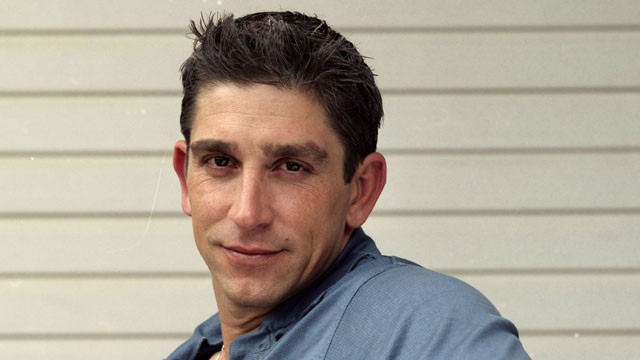
Inaugural poet Richard Blanco read his poem "One Today" at the swearing-in ceremony for President Obama. Here is the full text of the poem as written. You can also watch a video interview (ABC News) with Blanco - Watch Video.

This is a quiet, simple poem, but one filled with the sense of unity I think President Obama also sought to invoke in his Address. We are one people, no matter how diverse, under one sun, each of us in our own ways facing one day, and then another, and another . . . together.


'One Today': Full Text of Richard Blanco Inaugural Poem


"One Today"

One sun rose on us today, kindled over our shores,
peeking over the Smokies, greeting the faces
of the Great Lakes, spreading a simple truth
across the Great Plains, then charging across the Rockies.
One light, waking up rooftops, under each one, a story
told by our silent gestures moving behind windows.

My face, your face, millions of faces in morning's mirrors,
each one yawning to life, crescendoing into our day:
pencil-yellow school buses, the rhythm of traffic lights,
fruit stands: apples, limes, and oranges arrayed like rainbows
begging our praise. Silver trucks heavy with oil or paper—
bricks or milk, teeming over highways alongside us,
on our way to clean tables, read ledgers, or save lives—
to teach geometry, or ring-up groceries as my mother did
for twenty years, so I could write this poem.

All of us as vital as the one light we move through,
the same light on blackboards with lessons for the day:
equations to solve, history to question, or atoms imagined,
the "I have a dream" we keep dreaming,
or the impossible vocabulary of sorrow that won't explain
the empty desks of twenty children marked absent
today, and forever. Many prayers, but one light
breathing color into stained glass windows,
life into the faces of bronze statues, warmth
onto the steps of our museums and park benches
as mothers watch children slide into the day.

One ground. Our ground, rooting us to every stalk
of corn, every head of wheat sown by sweat
and hands, hands gleaning coal or planting windmills
in deserts and hilltops that keep us warm, hands
digging trenches, routing pipes and cables, hands
as worn as my father's cutting sugarcane
so my brother and I could have books and shoes.

The dust of farms and deserts, cities and plains
mingled by one wind—our breath. Breathe. Hear it
through the day's gorgeous din of honking cabs,
buses launching down avenues, the symphony
of footsteps, guitars, and screeching subways,
the unexpected song bird on your clothes line.

Hear: squeaky playground swings, trains whistling,
or whispers across café tables, Hear: the doors we open
for each other all day, saying: hello, shalom,
buon giorno, howdy, namaste, or buenos días
in the language my mother taught me—in every language
spoken into one wind carrying our lives
without prejudice, as these words break from my lips.

One sky: since the Appalachians and Sierras claimed
their majesty, and the Mississippi and Colorado worked
their way to the sea. Thank the work of our hands:
weaving steel into bridges, finishing one more report
for the boss on time, stitching another wound
or uniform, the first brush stroke on a portrait,
or the last floor on the Freedom Tower
jutting into a sky that yields to our resilience.

One sky, toward which we sometimes lift our eyes
tired from work: some days guessing at the weather
of our lives, some days giving thanks for a love
that loves you back, sometimes praising a mother
who knew how to give, or forgiving a father
who couldn't give what you wanted.

We head home: through the gloss of rain or weight
of snow, or the plum blush of dusk, but always—home,
always under one sky, our sky. And always one moon
like a silent drum tapping on every rooftop
and every window, of one country—all of us—
facing the stars
hope—a new constellation
waiting for us to map it,
waiting for us to name it—together.

Saturday, December 22, 2012

Wallace Stevens - The Snow Man


The Snow Man
by Wallace Stevens

One must have a mind of winter
To regard the frost and the boughs
Of the pine-trees crusted with snow;

And have been cold a long time
To behold the junipers shagged with ice,
The spruces rough in the distant glitter

Of the January sun; and not to think
Of any misery in the sound of the wind,
In the sound of a few leaves,

Which is the sound of the land
Full of the same wind
That is blowing in the same bare place

For the listener, who listens in the snow,
And, nothing himself, beholds
Nothing that is not there and the nothing that is.


For those who feel uneasy trying to read or understand modern poetry, NPR ran a short piece on this poem a while back (in 2005, the 50th anniversary year of Stevens' death), and the reviewer names this as the best short poem in the English language. It's hard to argue with that assessment, this is one of great American poems.

Wallace Stevens: 'The Snow Man'
by JAY KEYSER
November 29, 200512:00 AM

Listen

All Things Considered
Download


Wallace Stevens won the Pulitzer Prize for his book Collected Poems in 1955.Corbis

Read the Poem: 'The Snow Man'

The American poet Wallace Stevens died 50 years ago this year. Commentator Jay Keyser says Stevens wrote the best short poem in the English language, "The Snow Man." Stevens marries what the poem is about with the way that it is built.

ROBERT SIEGEL, host:

Now in praise of Wallace Stevens. The American poet passed away 50 years ago this year. Commentator and linguist Jay Keyser saves his highest praise for one of Stevens' poems.

JAY KEYSER:

With something as personal as a poem, it's risky making hard and fast judgments. That won't stop me. I declare that Wallace Stevens wrote the best short poem in the English language, bar none, and in a minute I'll tell you why. But first, listen to the poem. It's called "The Snow Man."

(Reading) `One must have a mind of winter to regard the frost and the boughs of the pine trees crusted with snow, and have been cold a long time to behold the juniper shagged with ice, the spruces rough in the distant glitter of the January sun, and not to think of any misery in the sound of the wind, in the sound of a few leaves, which is the sound of the land full of the same wind that is blowing in the same bare place for the listener, who listens in the snow and, nothing himself, beholds nothing that is not there, and the nothing that is.'

Why is this poem so good? Unlike any other English poem I've read, "The Snow Man" marries what it's about with the way it's built. If you were to parse it the way I was taught in high school, diagraming all those clauses and phrases on those slanted lines, you would come up with a perfectly balanced mobile built around the conjunction `and.' That's the trick of the poem. Each clause seems to be coming to an end and then suddenly up pops another `and.'

It begins `One must have a mind of winter to regard the frost and the boughs of the pine trees crusted with snow.' Fine, that looks like the end of the first sentence. But, no, it goes on impelled by `and.' `One must have a mind of winter to regard the frost and the boughs of the pine trees crusted with snow and have been cold a long time to behold the juniper shagged with ice, the spruces rough in the distant glitter of the January sun.' There, we're finished with the `ands.' Think again. The very next word in the poem is another pesky `and.' Stevens is forcing his readers to reanalyze what they have just read again and again and again.

I once put all the words of the poem on little white cards and made a mobile out of it. It dangled, perfectly balanced, like an Alexander Calder creation. The poem, twisting and turning when I blew on it, became the visual counterpart of what it's about.

But what is it about? The poem is a recipe for seeing things as they really are. To do that, you must see the world the way the snow man does. The snow man is free of human biases. He knows that in winter the days aren't cold and miserable; you are. To see like him, you must constantly challenge your own assumptions. It's one thing to say that in words. It's quite another to say it in the structure the words hang on. No one did it before. No one has done it since. You can measure great jugglers by how many balls they keep in the air. It's the same thing with poets.