Showing posts with label supplements. Show all posts

Friday, October 3, 2014

Fitness Friday - Fitness News You Can Use

I missed last week's installment due to life. So I'm back this week with a ton of useful health and fitness information. We have articles this week on supplements (one good, one bad, one questionable), muscle fiber types, the type of training most likely to cause injury, and a couple of good training articles from Christian Thibaudeau at T-Nation.

* * * * *

I want to start with an article that promotes a supplement I would NEVER recommend to anyone based on the information currently available. The supplement is arachidonic acid, a pro-inflammatory omega-6 fat found in eggs, chicken, beef, and to lesser degree, fish. It is non-essential because our livers can manufacture it from linoleic acid, one of the omega-6 fats we already tend to get too much of in our diets (optimal omega-6 to omega-3 ratio is 2:1, but the Western diet ranges from 10:1 to 30:1 due to large amounts of vegetable oils in processed foods).

When we look at disease, one of the primary causal factors is inflammation - most Americans, athlete or not, suffer from chronic inflammation, In fact, athletes are likely to have higher levels of inflammation due to the stress of intense exercise. So why would they want more inflammation?

The marketers of the supplement likely commissioned this article from Bodybuilding.com to sell their supplement, or the author received some compensation. I can't imagine any educated nutritional expert promoting this kind of supplement.

Caveat emptor.

Arachidonic Acid: When Inflammation Is Good

Your body knows how to use training-induced inflammation as a springboard into muscular gains. Now there's a supplement that taps into this process. Get to know arachidonic acid and experience gains like the old days!

by Jacob Ormes
Last updated: Sep 25, 2014


Once upon a time, hard-training strength athletes were almost never seen without a certain trusty bottle in hand. It followed them in their gym bag wherever they went, and they were never comfortable unless they knew it was close by.


Several studies determined that the body's muscle-building response to training was more or less shut off in people who regularly used anti-inflammatory drugs.

It wasn't the juice. It wasn't whey or creatine. It was NSAIDs—or non-steroidal anti-inflammatory drugs. You might know them by other names such as ibuprofen and naproxen.

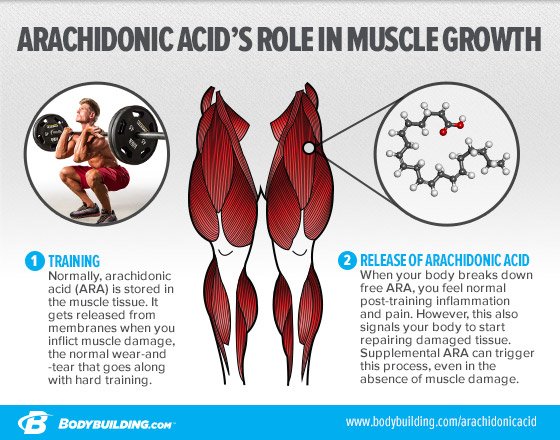
Then, around the turn of the century, everything changed. Several studies determined that the body's muscle-building response to training was more or less shut off in people who regularly used anti-inflammatory drugs.[1,2]

It became clear that our bodies actually need acute inflammation to grow; without it, our potential to increase lean mass is blunted. While many strength athletes—and many more endurance athletes—still use these drugs periodically, the days of the Advil-popping bodybuilder were numbered.

But there's more for strength athletes to take away from this story than just "Lay off the pain pills." It also raises a question: What if there was a way to strategically—or supplementally—induce the type of inflammation that leads to muscle growth? This would seem ideal for those inevitable times when your progress has stalled and you've started using the dreaded P-word.

There is such a supplement. It's called arachidonic acid (ARA or AA), and research is showing that it has great potential to be a potent new tool in the modern athlete's nutritional arsenal.
* * * * *

On the other end of the spectrum, we know that omega-3 fats found in fish oils are anti-inflammatory, help control blood sugar levels, and help maintain healthy cholesterol levels. Now there is further proof that they are a good, natural way to prevent depression.

Omega-3 fatty acids may prevent some forms of depression

Date: October 1, 2014
Source: Elsevier
 

Summary:
Patients with increased inflammation, including those receiving cytokines for medical treatment, have a greatly increased risk of depression. For example, a 6-month treatment course of interferon-alpha therapy for chronic hepatitis C virus infection causes depression in approximately 30% of patients. Omega-3 fatty acids have a long list of health benefits, including lowering the risk of heart disease and reducing triglyceride levels. These nutritional compounds are also known to have anti-depressant and anti-inflammatory properties.
* * * * *

From T-Nation. Hint: the answer is running.

The 4 Most Damaging Types of Training 

by John Rusin | 09/23/14 


Here's what you need to know...

  • All types of training can lead to injuries, but some are much worse than others. With a few self-myofascial release techniques, you can at least minimize these risks.
  • With bodybuilders, the common use of active muscle isolation leads to increased rates of muscular adhesion and scar tissue formation.
  • The bench, squat, and deadlift weren't designed for extreme volumes and frequencies, but that's exactly what powerlifters are doing with them. Luckily, there are three effective self-treatment techniques to keep you moving some serious iron.
  • This year over 70% of CrossFitters will be sidelined for over a week at a time due to injury. A majority of that 70% can be attributed to shoulder injuries. There are, however, a few techniques to help.
  • Running is the most popular and most debilitating form of exercise. Up to 80% of runners are in pain on any given run, no matter the distance, intensity, or course.
* * * * *

From at Strength and Conditioning Research, this is an excellent primer on muscle fiber types.


What is the fiber type of different muscle groups?


Training in line with the muscle fiber type of body parts could be useful for maximizing hypertrophy. However, for too long, information about muscle fiber types has been promoted based on references to single studies and hearsay. In this article, Chris Beardsley reviews the literature regarding muscle fiber types for the main upper and lower body muscles.

What is the background?


What are muscle fiber types?

Muscle fibers can be classified in various ways. All current methods are dependent upon the assumption that limiting factor for the speed at which cross-bridge cycling can occur is the speed at which the ATPase of the myosin head can hydrolyze ATP to power the process. The three ways are:

Myosin ATPase histochemical staining – this process differentiates between individual muscle fibers on the basis of their staining intensities. These staining intensities differ between muscle fibers as a result of differences in pH sensitivity. The differences indirectly provide relative information between muscle fibers about the speed at which ATP hydrolysis occurs, although the staining procedure does not directly measure the speed of hydrolysis (Scott, 2001). The main three myosin ATPase staining results are referred to as muscle fiber types I, IIA, and IIX (or historically IIB), respectively. Interim fiber types are identified where staining types between the main classes are observed.


MHC isoform identification – this process involves differentiating between individual muscle fibers in the basis of the different myosin heavy chain isoforms. The MHCs contain the site that serves as the ATPase, which is how identifying the MHC isoform is relevant for the speed of ATP hydrolysis. Each muscle fiber can contain more than one MHC isoform. Thus, although there are only three isoforms expressed in human skeletal muscle, there are many more hybrid muscle fiber types comprising muscle fibers with several different isoforms in the same muscle fiber (Scott, 2001). The main three myosin isoforms are most correctly referred to as MHCI, MHCIIa, and MHCIIx (or MHCIIb historically).


Biochemical identification of metabolic enzymes – this process combines information derived from myosin ATPase histochemistry with histochemistry of certain enzymes that are involved in energy metabolism. In such cases, the myosin ATPase fiber typing is used to classify muscle fibers into either type I or type I. Analysis of enzymes is then performed in order to provide information about the metabolic pathways. This leads to describing the muscle fibers as either aerobic/oxidative or anaerobic/glycolytic and ultimately three different fiber types: fast-twitch glycolytic, fast-twitch oxidative, and slow-twitch oxidative (Scott, 2001).

In many circles, the three different methods are taken as producing similar outputs that can be compared across studies. While this has been found to be acceptable for certain muscle fiber types and between certain typing methods (most obviously in respect of type I muscle fibers and between MHC and myosin ATPase), it is certainly not valid across the board and we must bear this in mind when reviewing the literature.
* * * * *

From T-Nation again, Christian Thibaudeau offers an ass-kicking way to increase strength.

The 2-Second Pause for Big Gains 

by Christian Thibaudeau | 09/22/14 

Here's what you need to know...

  • Most of your strength should be built via regular sets (no pauses) on the big lifts. However, the strategic use of two-second pauses can help strengthen weak parts of specific ranges of motion.
  • Pausing also allows you to do a mental check to see if your body position and lifting mechanics are optimal. As such, pausing is a great learning tool to master technique.
  • Intra-set pauses can be performed both during the eccentric (lowering) and concentric (lifting) phases of a lift. Pauses during the eccentric portion of a lift are much easier and less effective, though.
I believe in the big, basic lifts: deadlifts, squats, bench presses, cleans, and snatches. These form the core of my training as well as that of my athletes and bodybuilders.

There are three key elements in each of these lifts and a deficiency in any of them will impede optimal performance and, by extension, gains. Including pauses during a compound lift can help improve each of these key elements.
* * * * *

Be careful with this one - there is also evidence that higher serum levels of 25-Hydroxyvitamin D
in the blood are correlated with a greater risk of prostate cancer. Low levels are also dangerous - so there is a fine line between too little and too much.

Vitamin D in Elite Athletes: The More the Better

Doug Dupont
Contributor - Health and Fitness News, Reviews


Vitamin D affects your muscles, immune system, and energy levels, so it will probably also have an effect on your performance. In a new study in PLOS One, researchers wanted to see whether vitamin D levels in athletes were associated with strength and other measures of fitness.


Previous studies have found that even in athletes who live in regions with plenty of sunlight (a major source of vitamin D in humans), vitamin D levels are often low. The goal of this new study was to take a look at both the vitamin D status and performance levels of a group of elite athletes, in this case soccer players.
* * * * *

How physical exercise protects the brain from stress-induced depression


Date: September 25, 2014
Source: Karolinska Institutet
 

Summary:
Physical exercise has many beneficial effects on human health, including the protection from stress-induced depression. However, until now the mechanisms that mediate this protective effect have been unknown. In a new study in mice, researchers show that exercise training induces changes in skeletal muscle that can purge the blood of a substance that accumulates during stress, and is harmful to the brain. 

In a study in the journal Cell, Jorge Ruas and Maria Lindskog show how physical exercise protects the brain from stress-induced depression in mice.
* * * * *

We end this week with another training article from Thibaudeau at T-Nation.

6 Ways to Keep Getting Stronger 

by Christian Thibaudeau | 09/29/14 
Here's what you need to know...
  • All progression models have their limits. These advanced strategies will allow you to keep getting stronger.
  • End every single workout with a few sets of your worst lift.
  • Use contrast series lifting. Do a series of 3 sets of an exercise using different speed dynamics with moderate weight, light weight, and then heavy weight.
  • Perform isometric holds. Pick up the barbell, bring it to the weakest position, and hold it there for 12 seconds.
  • Use next-day isolation work. Do isolation work for the weakest muscle involved in your main lift from the preceding day.
  • Do the lift you want to improve the most twice in your workout. Doing 4 sets of an exercise twice during a session will lead to greater strength gains than doing 8 sets in a row.
The Double Progression Model

The stronger you get on the big, basic barbell lifts, the more muscle you'll grow. Period. And one of the best ways to do that is to use the double progression model.

First you select a rep range. Let's say 5 reps per set. Then you select a number of sets to perform, 5 for example. You want to do all 5 work sets using the same weight and your goal is to complete all 5 sets using your target rep range.

When you can complete all your sets with the same weight at the targeted number of reps, you're allowed to increase the weight at your next session. Not being able to get all your sets done with the upper limit of the range - for example getting 5, 5, 5, 4, 3 reps - is fine, but it means you don't get to increase the weight at your next session.

However, double progression has its limits, just like any other progression model. At some point you'll need to use advanced strategies to keep getting stronger. Here are six of my favorite.

Thursday, November 21, 2013

TC Luoma - Burn Fat, Build Muscle With Forskolin (T-Nation)

This supplement has been on the market for a few years now, but it is one I have not tested for its efficacy in my own body. However, in the years since it has hit the market, there has been some promising research with human subjects that demonstrates increased muscle mass, decreased body fat, and higher free and total testosterone.

Sounds good.

T-Nation's supplement side, called Biotest, introduced one of the first high potency and biologically available versions of this supplement (priced correspondingly higher than other products). However, the studies have all used 250 mg of a 10% extract, with no sophisticated delivery systems. I have included some of the abstracts mentioned in the references section at the bottom of the post.

Biotest makes good products, but it's worth trying the cheaper versions if you feel so inclined.

Burn Fat, Build Muscle With Forskolin

by TC | T-Nation  


Here's what you need to know...
• Forskolin's thyroid stimulating strength has been compared to thyrotropin or TSH.
• Forskolin caused male subjects in a 12-week trial to experience a 16.77% increase in total Testosterone.
• Forskolin increases the metabolism, burns fat, breaks down triglycerides, and increases lean body mass.
The boss at my last job used to keep a box of discarded supplements next to his desk. They were things people had sent us to try. Most of the time we'd take a look at the ingredients, roll our eyes, and then shoot them into the box with a fade-away jumper.

But the contents of that box fascinated the head of the advertising department. He must have been was one of those "one man's garbage is another man's treasure" guys at heart, because he'd rifle through the box like an adolescent looking for the one-eyed Teddy Bear he wasn't quite ready to give up.

He liked experimenting with a good number of those throwaway supplements, so much so that we joked about how we'd have to bury his green, glowing liver in a toxic waste repository after he died.

One day, though, he came in holding up his latest and greatest find from the box. It was a relatively small, white, plastic bottle from England. "Hey, what the hell is in this stuff?" he said. "I put on 10 pounds in the last 3 weeks and my strength has gone through the roof!"

This was the first time we'd heard him use those kinds of cliches, so one of the other guys in the boss' inner circle felt compelled to try the mysterious supplement, too. A couple of weeks later, he reported more or less the same effects.

That's when we started to look into the supplement. It was called creatine monohydrate. The company I worked for was EAS and they became the first U.S. company to aggressively market creatine, and the number of people willing to fork over 70-plus dollars for a tiny bottle that today would sell for a couple of bucks became the stuff of supplement-company legend.

Creatine is a good part of the reason why nowadays you can't swing a hypertrophied dead cat without hitting the head of an owner of a supplement company. Many of them wanted to recreate that success story, but in a lesson they should have learned from any one of a number of gold rushes in the 19th century, gold ain't that easy to find in them-there hills.

Is There More Gold in the Box?


There's no one alive, I presume, that continually uses every supplement at the same time, let alone every Biotest supplement at the same time, and I'm certainly no exception.

But every so often, I start using a Biotest supplement that I haven't, for whatever reason, used for awhile. In that sense, I'm sort of like that EAS employee who kept digging in that box. Now I know what you're thinking. You're assuming I've found something magical in our supplement line, something like the next creatine.

Well, you'd be mostly right. I have "re-discovered" something really interesting, and now that I'm using it once more and enjoying its effects, I've begun digging into the research again and frankly, I can't figure out why this product didn't cause more of a creatine-like frenzy. By all reason, it should become a staple in everyone's supplement arsenal because it's really, really, cool.

Enter, or should I say, re-enter, forskolin, a supplement that raises thyroid hormone levels and Testosterone levels. The increased levels of those two hormones naturally lead to an increase in fat burning and lean body mass, but forskolin is blessed with other fat burning and muscle building properties, too (explained later on in this article).

And I'm not just offering rat studies as proof, either. There have been a number of research studies conducted with real live, honest-to-goodness fat people. Here's a rapid-fire compendium of results from just a few studies on forskolin:

• Male subjects in a 12-week trial experienced a 16.77 +/-33.77% increase in total Testosterone compared with a 1.08 +/- 18.35% decrease in the placebo group.
• Female subjects in an 8-week study lost a mean of 9.17 pounds weight, while experiencing gains in lean body mass (without weight training).
• The total body weight of a mixed group of men and women in a 12-week study decreased from 74.7 kilograms to 73.5 kilograms while experiencing increases in lean body mass (without weight training).
• The forskolin users in a mixed-sex group of 50 test subjects experienced a 1.78 percent increase in lean body mass (compared with a 0.20 decrease in the placebo group) and a decrease in mean body fat from 35.8 to 34.0 percent (while the placebo group showed an increase from 38.8 to 39.0 percent).
And there are lots of other studies, too, all pretty impressive.


Increased Thyroid Hormone Production and Increased Testosterone Production 


Forskolin is a compound derived from the herb, Coleus forskohlii, and it stimulates an enzyme called adenylate cyclase, which increases cellular concentrations of a cellular messenger called cyclic AMP, or cAMP.

Now cAMP is one versatile little bugger in that it interacts with a host of different types of cells. When you raise levels of cAMP, you lower blood pressure, reduce intraocular (eye) pressure, inhibit platelet aggregations (clotting), promote vasodilation (opening up of blood vessels), increase bronchodilation (improved breathing), and, most importantly to us, increase thyroid hormone secretion and speed up lipolysis (fat burning).

Forskolin's thyroid stimulating strength has even been compared to thyrotropin or TSH, which is pretty damn impressive. Not only does this increased thyroid hormone production increase fat loss, but increased levels of cAMP activate something called protein kinase that's been shown to activate hormone-sensitive lipases, which are involved in the breakdown of the building blocks of fatty tissue known as triglycerides.

Furthermore, forskolin has a nifty little trait of improving the fat-burning ability of any other fat burning ingredients you might be taking, which is why it's included in Biotest's popular fat burner.

In addition to breaking down and burning fat, forskolin also increases lean body mass. A higher level of intra-testicular cAMP mimics the action of luteinizing hormone and that translates to an increase in Testosterone production, which as you know is a pretty nice thing to have if you want more muscle.

This increase in Testosterone levels of course contributes to additional lean body mass, but higher levels of cAMP in skeletal muscle also leads to an increase in protein synthesis (which is amplified by the complimentary increase in Testosterone), so you get a nice two-pronged mode of action.

Let me spell it out for you. If you use forskolin to increase levels of cAMP, you end up mimicking the effects of mild calorie restriction and exercise, without actually reducing calories or even exercising, and it does this without making you all jumpy and sweaty-palmed like a lot of compounds that burn fat. Of course, if you add some actual, bonafide exercise to the picture, you naturally get much more impressive results.

So Why Isn't Everybody in the World Using Forskolin?


I suspect that conventional forskolin supplements, i.e., those made with ground up parts of the plant, suffer from the same triad of problems affecting most herbal supplements: standardization, potency, and absorption.

In short, plant products usually face the same challenges as plants themselves. I'm sure you've experienced having a great-tasting tomato, only to follow it up with a tomato that's only fit to be hurled at the neighbor who runs a leaf blower at 7 AM on a Saturday.

If something like taste varies so greatly, you can easily see how levels and potency of different plant chemicals can vary from crop to crop and even plant to plant. One bottle of an herbal supplement might work well, but the next may only be fit to be shot into a refuse box. I think that's the reason forskolin hasn't caught on in the bodybuilding or fat loss world.

What you need to do to get an effective product is to extract and purify the active ingredient, in this case, forskolin 1,9-carbonate (the compound is a "carbonate ester" of forskolin). Then you get a highly pure, single compound that gives powerful, consistent results. Furthermore, by extracting and purifying the active ingredients, you extend forskolin's duration of action from 4 hours to 12 hours.

Lastly, if you've got the technology, you combine forskolin 1,9-carbonate with a self-microemulsifying nutrient delivery system, which improves the bioavailability considerably. That way, you make sure that you actually do get an increase in Testosterone and thyroid hormone, along with the fat burning and muscle building effects you're looking for.

No Fade-Away Jumper for Forskolin, 1-9 Carbonate


Forskolin, 1,9-carbonate shouldn't be compared to creatine. Creatine puts on body weight really, really fast. Granted, most of it is water weight, but no one can deny its effects. Carbolin-19's effects are much more subtle, but over the long run, equally impressive.


References


Godard, et al., Body composition and hormonal adaptations associated with forskolin consumption in overweight and obese males, Obesity Research, 2005 Aug;13(8):1335-43.

Majeed, et al., Diterpene forskolin: A possible new compound for reduction of body weight by increasing lean body mass, Nutraceuticals, March/April 2002, pp. 6 - 7.

Tsuguyoshi, Clinical report on root extract of Perilla Plant (coleus forskholii) in reducing body fat, Asanto Institute, Tokyo, Japan, 2001.

Kamath, Efficacy and Safety of Forslean in Increasing Lean Body Mass, Department of Ayurvedic Medicine, Kasturba Medical College, Manipal, India, 2005.

Luoma, TC, Luoma's Big Damn Book of Knowledge, Leningrad State Publishing House, Leningrad, 13th edition, 2013.
* * * * *

Body Composition and Hormonal Adaptations Associated with Forskolin Consumption in Overweight and Obese Men


Michael P. Godard, Brad A. Johnson, Scott R. Richmond
Obes Res. 2005;13:1335–1343


Abstract


Objective: This study examined the effect of forskolin on body composition, testosterone, metabolic rate, and blood pressure in overweight and obese (BMI ≥ 26 kg/m2) men.

Research Methods and Procedure: Thirty subjects (forskolin, n = 15; placebo, n = 15) were studied in a randomized, double-blind, placebo-controlled study for 12 weeks.

Results: Forskolin was shown to elicit favorable changes in body composition by significantly decreasing body fat percentage (BF%) and fat mass (FM) as determined by DXA compared with the placebo group (p ≤ 0.05). Additionally, forskolin administration resulted in a change in bone mass for the 12-week trial compared with the placebo group (p ≤ 0.05). There was a trend toward a significant increase for lean body mass in the forskolin group compared with the placebo group (p = 0.097). Serum free testosterone levels were significantly increased in the forskolin group compared with the placebo group (p ≤ 0.05). The actual change in serum total testosterone concentration was not significantly different among groups, but it increased 16.77 ± 33.77% in the forskolin group compared with a decrease of 1.08 ± 18.35% in the placebo group.

Discussion: Oral ingestion of forskolin (250 mg of 10% forskolin extract twice a day) for a 12-week period was shown to favorably alter body composition while concurrently increasing bone mass and serum free testosterone levels in overweight and obese men. The results indicate that forskolin is a possible therapeutic agent for the management and treatment of obesity.

[Full text is available online at the link above.]

* * * * *


A Coleus forskohlii extract improves body composition in healthy volunteers: An open-label trial

Seika Kamohara, Somboon Noparatanawong
Personalized Medicine Universe; Volume 2, July 2013, Pages 25–27  

Abstract


Purpose: Coleus forskohlii (CF) is a south Asian herb that has been historically used in Ayurvedic medicine. The root of CF contains forskolin, a biologically active compound that has been demonstrated to improve well-being in some individuals by promoting lean body mass and supporting healthy metabolic function. We conducted an open-label study to evaluate the efficacy of CF root extract for weight management.

Methods: After obtaining informed consent, 15 healthy volunteers participated in an 8-week open-label study. The subjects received 500 mg of CF extract (10% forskolin) twice a day with their meals. Body composition measurements were conducted using a bioelectric impedance analyzer once each week. Body weight (kg), fat content (kg), lean body mass (kg), and basal metabolic rate (kcal/day) were also measured and documented.

Results: Of the 15 subjects, 12 (mean age 32.2 ± 2.3 years) completed the study. Significant decreases compared with baseline were observed after 8 weeks for body mass index (BMI) (24.92 ± 0.87 to 23.99 ± 0.86 kg/m2, p = 0.0038), body weight (66.33 ± 3.00 to 63.96 ± 3.10 kg, p = 0.0038), fat content (29.64 ± 2.19 to 27.77 ± 2.27 kg, p = 0.0038), lean body mass (44.34 ± 2.98 to 43.93 ± 3.01 kg, p = 0.0044) and basal metabolic rate (1379.1 ± 74.4 to 1363.9 ± 77.5 kcal, p = 0.0254).

Conclusion: These findings suggest that CF root extract has potential as an adjunct therapy for the treatment of obesity. Further studies using double-blind, randomized, placebo-controlled designs are warranted to conclusively demonstrate the effectiveness of CF root extract in personalized supplements and/or pharmacological interventions.

Wednesday, October 16, 2013

What's Really in Your Pre-Workout Supplement? It Might Be Methamphetamine . . .

Over the past 15 to 25 years, the sports supplement market has exploded. When I was a wee lad, there was a limited selection of supplements, mainly dessicated liver tablets, Joe Weider Mega Mass 4000 (and other similar buckets of sugar), some amino acids, and a faith in drinking glasses of raw eggs.


Now there are supplements for everything - pre-workout, poist-workout, A.M, P.M., fat loss, energy, focus, better pumps, test boosters, anti-estrogens, and an assortment of proteins, creatine mixtures, and other crap.

One of the areas that has exploded in recent years is the pre-workout segment of the market. Back 15 years, it was common to take 20 mg ephedra, 200 mg caffeine, and 200 mg of aspirin (the ECA stack), but when the FDA banned ephedra because a handful of idiots took 3 or 4 times the recommended dosage and did not eat, then had heart attacks or fainted, the market blew up with companies trying to concoct an equally effective supplement.

During this same period, several companies promoting testosterone boosting supplements got nailed when athletes using the products failed drug tests for anabolic steroids. No wonder they worked!

The practice among the shady companies was to come out with a new product making extraordinary claims - claims any close look at the ingredients listed on the label could not support. Yet users would post rave reviews on message boards about gaining 10 lbs of muscle in just two weeks or losing 4% bodyfat in a week, or whatever. And they did - because the supplement contained banned substances. Once the hype had built around the product, the manufacturer could remove the illegal substances before the FDA caught on and still sell tons of the product to undiscerning people who believed the hype. [T-Nation did an excellent story on this back in the day.]

Turns out the practice is still occurring, with a slight tweak. Now they avoid the actually illegal substances but instead they include analogs, substances that are chemically similar but are not listed as illegal yet (this is especially true in the pro-hormone market, where many products can be found online that are actual steroids, but are not on the controlled substances lists).

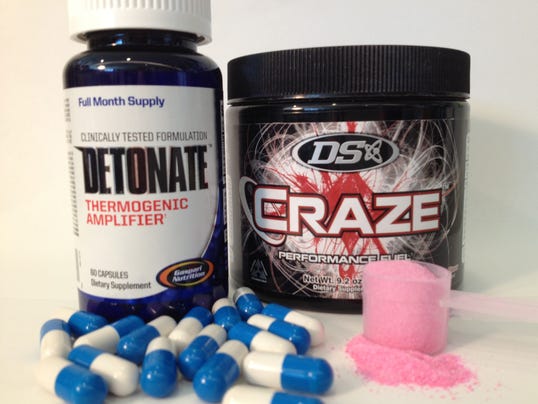
A new study found that the popular pre-workout supplement Craze contains an analog of methamphetamine, you now, crystal meth. The FDA has cracked down on them, and they have removed the product from the market - Gaspari Nutrition, a company generally thought reputable, also had a product with this substance, and they have also removed it from the shelves.


Here is the summary of the research study from Medical News Today, followed by an article from USA Today about this whole mess.

Muscles and meth: Drug analog identified in 'Craze' workout supplement

An international team of scientists have identified potentially dangerous amounts of methamphetamine analog in the workout supplement Craze, a product widely sold across the U.S. and online. The study, published in Drug Testing and Analysis, was prompted by a spate of failed athletic drug tests. The results reveal the presence of methamphetamine analog N,α- DEPEA, which has not been safely tested for human consumption, in three samples.

"In recent years banned and untested drugs have been found in hundreds of dietary supplements. We began our study of Craze after several athletes failed urine drug tests because of a new methamphetamine analog," said lead author Dr. Pieter Cohen, of Harvard Medical School, U.S.A.

A workout supplement marketed as a 'performance fuel', Craze is manufactured by Driven Sports, Inc., and is sold in stores across the United States and internationally via body supplement websites.

The supplement is labeled as containing the compound N,N-diethyl-phenylethylamine (N,N-DEPEA), claiming it is derived from endangered dendrobium orchids. However, while there is no proof that this compound is found within orchids, it is also structurally similar to the methamphetamine analog N,α-diethylphenylethylamine (N,α-DEPEA), a banned substance.

The team analyzed three samples of Craze for traces of N,α-DEPEA. The first sample was brought from a mainstream retailer in the U.S., while the second and third samples were ordered from online retailers in the U.S. and Holland.

The team used ultra-high performance liquid chromatography to detect the presence of N,α-DEPEA. The first two samples were analyzed by NSF International, while the third was tested at the Netherland's National Institute for Public Health. The findings were independently corroborated by the Korean Forensic Service, which confirmed the presence of N,α-DEPEA in two further samples of Craze in a parallel investigation.

"We identified a potentially dangerous designer drug in three separate samples of this widely available dietary supplement," said Cohen. "The tests revealed quantities of N,α-DEPEA of over 20mg per serving, which strongly suggests that this is not an accidental contamination from the manufacturing process."

As a structural analog of methamphetamine, N,α-DEPEA , may have stimulant and addictive qualities; however, it has never been studied in humans and its adverse effects remain unknown.

The product labeling claims that Craze contains several organic compounds, known as phenylethylamines. However, phenylethylamines are a very broad category of chemicals which range from harmless compounds found in chocolate to synthetically produced illegal drugs.

"The phenylethylamine we identified in Craze, N,α-DEPEA, is not listed on the labeling and it has not been previously identified as a derivative of dendrobium orchids," said Cohen.

"If these findings are confirmed by regulatory authorities, the FDA (The U.S. Food and Drug Administration) must take action to warn consumers and to remove supplements containing N,α-DEPEA from sale," concluded Cohen. "Our fear is that the federal shutdown may delay this, resulting in potentially dangerous supplements remaining widely available."

Full Citation:
Pieter A. Cohen, John C. Travis, Bastiaan J. Venhuis. (2013, Oct 14), A methamphetamine analog (N,α-diethyl-phenylethylamine) identified in a mainstream dietary supplement. Drug Testing and Analysis: Article first published online: 14 OCT 2013 - DOI: 10.1002/dta.1578

Here is the USA Today article:

Maker of Craze suspends production of sports supplement

Alison Young, USA TODAY, October 15, 2013

Driven Sports, maker of the pre-workout supplement Craze, announced Tuesday that it has suspended all production and sales of the product in the wake of tests finding amphetamine-like ingredients.


(Photo: Alison Young, USA TODAY)

Story Highlights
  • Driven Sports says it stopped production of Craze "several months" ago after media reports
  • A USA TODAY investigation in July reported that tests had found amphetamine-like compounds in Craze
  • Two scientific journal articles have recently identified a methamphetamine-like compound in Craze
  • FDA and DEA officials could not be reached for comment because of the government shutdown
The maker of the popular sports supplement Craze, which scientists say contains a methamphetamine-like compound, revealed Tuesday that it has suspended all production and sales of the product.

Driven Sports, which has declined USA TODAY's repeated interview requests, posted a statement on its website disclosing that the New York-based company suspended production "several months ago while it investigated the reports in the media regarding the safety of Craze."

In July, a USA TODAY investigation revealed that a top Driven Sports official, Matt Cahill, is a convicted felon who has a history of putting risky products on the market and that tests of Craze by the U.S. Anti-Doping Agency and a lab in Sweden had found amphetamine-like compounds in the pre-workout powder.

On Monday, a team of scientists from the U.S. and the Netherlands published an article in the peer-reviewed scientific journal Drug Testing and Analysis saying they had identified an analog — or chemical cousin — of methamphetamine in samples of Craze. They warned that the chemical has never been studied in humans, that the health risks are unknown and that it is not disclosed on Craze's label.

Driven Sports says that its own studies continue to show Craze is safe "when used responsibly" and that tests it has commissioned "have consistently indicated that Craze does not contain amphetamines or controlled substances." It added "the confidence of our retailers to sell the product and our consumers to buy the product is our primary concern so we will continue the suspension of the production and sale of Craze for the foreseeable future until these issues are resolved."

Walmart.com, Bodybuilding.com and some other online retailers stopped selling Craze earlier this summer in the wake of the USA TODAY investigation, but tubs of the pre-workout powder continued to be available for purchase elsewhere online and in GNC stores. Recently, the product was no longer available on GNC.com and Driven Sports' own website listed Craze as out of stock.

GNC officials have declined to be interviewed. In a statement the retailer said: "With third party products, GNC is simply the retailer and, like all retailers, relies upon the representations and contractual warranties made by the vendor that the products are safe and compliant with all applicable laws and regulations."

In a related development this week, NSF International announced that in separate testing they found the same meth-like compound in the weight-loss supplement Detonate, which is marketed by Gaspari Nutrition. NSF International is a Michigan-based testing organization; one of its scientists co-authored Monday's journal article about Craze.

Gaspari Nutrition officials did not respond to interview requests and as of Tuesday night had removed Detonate from its website's list of products. Detonate was still listed on Gaspari's website as of Oct. 10, according to a version of the page archived by Google that day. Detonate remains available for sale online and in some stores. USA TODAY was able to purchase a bottle of Detonate on Tuesday at a Vitamin Shoppe store in Sterling, Va., but found several GNC and Vitamin Shoppe stores in the Virginia suburbs of Washington, D.C. did not have it in stock.

Driven Sports says it believes that the independent labs and scientists who have found amphetamine-like and methamphetamine-like compounds in Craze may have made a mistake in their tests. Craze's label says it contains dendrobium orchid extract, which the company says has naturally occurring phenylethylamine compounds. The statement says that these other scientists' tests may be mistaking the natural compound for amphetamine-like substances.

Driven Sports says its labs' tests indicate the presence of "n-beta DEPEA" in Craze" and that this compound is "a related but very different substance" from the n,alpha DEPEA identified in Monday's journal article. The company said it is "very difficult to distinguish these two substances unless you know precisely what you are looking for and are using the proper test methodology."

In an e-mailed statement, the journal article's authors said that "their argument holds no merit" and that Driven Sports is "just throwing out new chemical names to try to confuse." The authors said that n-beta DEPEA is "a completely different molecule" and that the differences in the molecule would have made them act differently on two of the three tests they ran.

"We stand 100% behind our results," said the research team: Pieter Cohen of Harvard Medical School; John Travis, a scientist at NSF International; and Bastiaan Venhuis of the National Institute for Public Health and the Environment in the Netherlands.

Another team of scientists based in South Korea found the same methamphetamine-like substance when they tested other samples of Craze. Their findings were published in a forensic toxicology journal in August.

Neither the Food and Drug Administration nor the Drug Enforcement Administration could be reached for comment because of the federal government shutdown.

Amy Eichner, a special advisor on supplements at the U.S. Anti-Doping Agency, noted that both Craze and Detonate have been listed on the nonprofit organization's "high risk" supplement list. "There needs to be a serious examination of the current regulations of supplements," she said, "and changes must be made in order for the FDA to have the necessary tools to effectively regulate the supplement industry."

Although dietary supplements -- such as vitamins, minerals and herbal pills -- are often marketed as health remedies, the FDA does not have the authority to require pre-market testing for safety or effectiveness as it does with medications. Supplement industry officials have said that greater enforcement, not new regulations, are what is needed to address problem products and makers.

Driven Sports and Gaspari Nutrition, the companies marketing Craze and Detonate, are both members of the American Herbal Products Association. The association did not respond to questions or an interview request from USA TODAY about the findings of meth-like compounds in the companies' products.

Friday, December 12, 2008

Muscle Hack - Creatine Facts! What Is The Best Creatine?

Creatine monohydrate is the most widely studied sports supplement in history. Not only is it great for athletes and weight lifters, it's very good for the average person (see here, here, and here, for starters). In fact, I think it should be considered an essential nutrient. And despite claims to the contrary, there have never been any confirmed adverse events associated with creatine.

So with all the health benefits, it's no wonder that unscrupulous supplement companies keep coming out with "new and improved" versions of the ubiquitous creatine monohydrate (which is now very cheap). Trouble is that none of these supplements are any better and most (like the infamous liquid creatine) are complete crap.

Muscle Hack
has an article confirming the worthlessness of two of the better-known of these "next generation" creatine supplements.

First let’s deal with Kre-Alkalyn (KA). The claim here is that KA is stable in stomach acid and does not convert to creatinine. They also state that in contrast, monohydrate (CM) will convert to creatinine at the rate of 90% in stomach acid! Not good, better dump that CM, right? Let’s look at the evidence, the following is from the study…

“In contrast to the claims of All American Pharmaceutical and Natural Foods Corp., the rate of creatinine formation from CM was found to be less than 1% of the initial dose, demonstrating that CM is extremely stable under acidic conditions that replicate those of the stomach. This study also showed that KA supplementation actually resulted in 35% greater conversion of creatine to creatinine than CM. In conclusion the conversion of creatine to creatinine is not a limitation in the delivery of creatine from CM and KA is less stable than CM in the acid conditions of the stomach.”

KA has a 35% greater conversion rate to creatinine than CM; the finest creatine in town? Not on your life!

Now let’s take a look at Creatine Ethyl Esther (CEE). Similarly the claim here is that it doesn’t convert to creatinine as much as CM and has a better absorption rate. This study looked at 2 CEE products. One product called CE2 from Medical Research Institute (MRI) and the other called CM2 Alpha from SAN Corporation. Here are the results after being placed in conditions simulating stomach acid at 5, 30 and 120 minutes….

“After 30 minutes incubation only 73% of the initial CEE present was available from CE2, while the amount of CEE available from San CM2 Alpha was even lower at only 62%. In contrast, more than 99% of the creatine remained available from the CM product. These reductions in CEE availability were accompanied by substantial creatinine formation, without the appearance of free creatine. After 120minutes incubation 72% of the CEE was available from CE2 with only 11% available from San CM2 Alpha, while more than 99% of the creatine remained available from CM.“

So, it seems that the addition of the ethyl group to your creatine actually reduces stability in stomach acid and accelerates its breakdown to creatinine. CEE creatines are inferior to Creatine Monohydrate as a source of free creatine i.e. up to a difference of 11% and 99% availability - that’s huge!

How much better could your workouts and gains have been if you hadn’t bought into the bogus claims about CEE and KA?

So if you want the best creatine, stick to monohydrate.

See his article on creatine here, where he argues in favor of capsules rather than powder - personally, the powder works fine for me.