Showing posts with label paleo diet. Show all posts

Tuesday, October 8, 2013

Paleo Lifestyle and The Paleo Manifesto

The other day I posted a defense of the ketogenic diet (no carbs for the most part), and so today I find myself sharing an article on a nutrition approach that is more palatable for a lot of people, but still much lower in carbs than the average American intake - the paleo diet. Research by leaders in the field (Loren Cordain, who essentially founded the paleo diet) and up to the National Institutes of Health have found that the paleo approach is more effective at weight loss (at least in post-menopausal women), creating healthy lipid levels and reducing cardiovascular risk factors, and treating type-II diabetes than other diets (especially the low-fat approaches).


Men's Journal offered a brief assessment of a new book on the paleo diet by John Durant, called The Paleo Manifesto: Ancient Wisdom for Lifelong Health. Along with the single paragraph, they included a link to an article from December 2012 on the paleo lifestyle. First the brief review from MJ, then I have added the publisher's ad copy, then below that the older MJ article on paleo living.

Book Review: 'The Paleo Manifesto'


'The Paleo Manifesto' by John Durant

John Durant, one of the first proponents of living like a hunter-gatherer, has written the rules of the lifestyle he's been advocating for years. In his new book, as you might expect, he calls for a meat-heavy diet but also argues for occasional fasting, getting standing desks, sleeping a lot, and swimming in icy water. Durant's research piles on the studies and the opinions of experts who look at the weight-loss diets of captive gorillas and sleep habits of astronauts, making a compelling argument for the paleo movement.

Tyghe Trimble
Here is the ad copy from Amazon:
In The Paleo Manifesto: Ancient Wisdom for Lifelong Health, John Durant argues for an evolutionary – and revolutionary – approach to health. All animals, human or otherwise, thrive when they mimic key elements of life in their natural habitat. From diet to movement to sleep, this evolutionary perspective sheds light on some of our most pressing health concerns. What is causing the rise of chronic conditions, such as obesity, diabetes, and depression? Is eating red meat going to kill you? Is avoiding the sun actually the best way to avoid skin cancer? 
Durant takes readers on a thrilling ride to the Paleolithic and beyond, unlocking the health secrets of our ancient ancestors. What do obese gorillas teach us about weight loss? How can Paleolithic skulls contain beautiful sets of teeth? Why is the Bible so obsessed with hygiene? What do NASA astronauts teach us about getting a good night’s sleep? And how are Silicon Valley techies hacking the human body?
Blending science and culture, anthropology and philosophy, John Durant distills the lessons from his adventures and shows how to apply them to day-to-day life, teaching people how to construct their own personal “habitat” that will enable them to thrive. The book doesn’t just address what we eat, but why we eat it; not just how to exercise, but the purpose of functional movement; not just being healthy, but leading a purposeful life. 
Combining the best of ancient wisdom with cutting edge science, Durant crafts a vision of health that is both fresh and futuristic.
You can read an excerpt from Chapter 2 at Scribd, which is embedded below.

The Paleo Manifesto by John Durant - Excerpt by Crown Publishing Group

Finally, here is the article Men's Journal posted in December of 2012. Part of the paleo lifestyle, or primal living, is fitness - the human body was not designed and does not function well when it sits in an office chair all day (get a standing desk) or sitting on a couch all night (really, the television is not that interesting). From the article below, here is a great example of primal fitness, with the added benefit of being in nature (which offers a huge pile of physical, mental, and spiritual health benefits):

Another proponent of paleo fitness is Erwan Le Corre, a 41-year-old Frenchman who founded MovNat, fitness that focuses on natural human movement. You can see him on YouTube running barefoot through the desert, rolling through brush, hurtling over rock ledges, and swimming downstream while pushing a 500-pound log. Le Corre calls this the workout the world forgot. "Modern lives are so separated from nature and what is natural that a system like MovNat is not only refreshing, it's also powerfully effective at connecting people with their bodies," he says.


Awesome! You can read more about this style of training at Outside Magazine and at Men's Health. Okay, then, so here is the article.

The Paleo Diet and the Case for Primal Living

By Tyler Graham | Dec 2012

Can living like a caveman prevent disease and make you lean and fit? Some doctors argue that one of the hottest wellness trends is also one of the healthiest.

Photograph by Bartholomew Cooke

Perhaps you've heard of the paleo movement – eating and exercising as our ancient forefathers did – and dismissed it as a fad, a farce, a caveman version of the Atkins diet. But over the past few years, the philosophy has exploded from obscure scientific theory into one of the biggest trends in wellness, influencing everything from medicine to running shoes to the latest thinking on how we should eat and move to stay lean and healthy.

Many experts now believe that Western civilization's skyrocketing rates of degenerative disease – diabetes, heart disease, cancer, and Alzheimer's, to name a few – stem from our adoption of a diet high in processed foods, exacerbated by our sedentary lifestyles. In 1985, a pair of researchers published a provocative paper leveraging the fact that, while the human species has existed for about 2 million years, grain production is only 12,000 years old, and the rise of processed foods – new to humans on an evolutionary scale – mirrors our uptick of weight gain and chronic disease. Cavemen didn't suffer from most of these diseases, primarily because their diet consisted mostly of meat, vegetables, and some fruit. They rarely died of heart attack or stroke, but from old age, viruses, or calamity like extreme weather. Today, those who still eat a traditional diet, like the Arctic Inuit and Kenyan Maasai, are virtually immune to these diseases too.

After 1985, the paleo movement started collecting members slowly but steadily, until it exploded about two years ago, launching a bevy of self-help books, snack foods like jerky and coconut chips, and the Paleo Physicians Network, with more than 2,000 members and a mission to educate doctors about treating patients based on our evolutionary nature. Crossfit, the minimalist fitness craze, has adopted paleo as its unofficial nutrition mantra – no carbs, lots of meat and vegetables. "It's about getting complete and total control over your health," says Mark Sisson, author of 'The Primal Blueprint.' "It's about having more energy at 50 than you did at 35. It's so empowering that followers become the biggest proselytizers. Everybody wants to know how they lost their 70 pounds."

More profoundly, the human genome has remained relatively stable since our hunter-gatherer days, while our diets have changed drastically. We now eat massive amounts of sugar, which triggers our bodies to store fat. Most processed foods are made from sugar, grains, and industrial vegetable oils high in trans fats, which the National Academy of Sciences declared unsafe in food in any amount. Most of what we eat is grown with pesticides, linked to cancer, birth defects, and brain disorders, and treated with carcinogenic preservatives.

As we subsist on more sugar, grains, and chemicals, we move less and spend more time hunched over steering wheels, computer screens, and smartphones. Those who exercise often jump on a treadmill or weight machine, training their bodies and isolating muscles in unnatural ways. Few of us have the muscle mass, lung capacity, or reaction time to sprint up uneven hills, duck branches, hop boulders, and pull ourselves up a ledge to avoid a bear. But that's how the paleo crowd thinks we should move.

Of course, paleo has its detractors. 'US News and World Report' cited it as the worst of 24 popular diets, based largely on the notion that "duplicating such a regimen in modern times would be difficult." They also noted that the benefits of the paleo diet are largely unstudied, a point the paleo community contends. But last summer, a study funded by the National Institutes of Health helped mute the debate when it found a paleo-style diet, high in fat and low in carbs, to be the most effective for weight loss.

If you're health conscious, there's a good chance you've already adopted some of the paleo approach. For example, paleo followers have long supported barefoot running as a way to strengthen muscles in the feet. High-intensity training, TRX suspension straps, and extreme races like Tough Mudder and Spartan Race are all paleo-approved. And limiting carbs to load up on grass-fed meat and organic produce is key to living primal. Ready to go full steam? Here are five steps to adopt the paleo approach:


Eat Like a Caveman

One of the most prominent voices in the paleo movement is journalist and author Gary Taubes, who argues that it's not calories alone that cause weight gain, but sugar and refined carbs, which spike our blood sugar and trigger the hormone insulin, telling our bodies to store energy as fat. When we eat cereal for breakfast, sandwiches for lunch, and pasta for dinner – supplemented by soda, chips, and fries – these processed foods cause larger waistlines and diabetes, heart disease, and possibly even cancer over time. While medical experts used to think eating fat made people fat, "it has been clear for some time, from multiple trials, that the percent of calories from fat in the diet has minimal relation to weight gain or obesity," says Dr. Walter Willett, of the Harvard School of Public Health. Instead, says Willett, low-fat, high-carb foods, once believed to aid heart health and weight loss, are the real problem. Eating more healthy fat and fewer foods that spike insulin is the first step to primal eating. Second is to avoid industrial oils like soy and corn, rich in trans fat and inflammation-causing omega-6s. When you eliminate sugar, refined carbs, and industrial oils, you essentially eliminate all fast and convenience foods.


Move Like a Hunter

Movement in the Paleolithic era was never prescribed: The body adapted to challenges at hand, whether running from a predator, hauling a carcass, or building a shelter. We were always on the go, often at maximum output for short times. "Our caveman ancestor wouldn't have run every day because that's stupid," says Sisson, a former marathoner. Another proponent of paleo fitness is Erwan Le Corre, a 41-year-old Frenchman who founded MovNat, fitness that focuses on natural human movement. You can see him on YouTube running barefoot through the desert, rolling through brush, hurtling over rock ledges, and swimming downstream while pushing a 500-pound log. Le Corre calls this the workout the world forgot. "Modern lives are so separated from nature and what is natural that a system like MovNat is not only refreshing, it's also powerfully effective at connecting people with their bodies," he says. MovNat has thousands of followers, including members of the Special Forces.


Avoid Daily Toxins

There are toxins everywhere in our daily environment, and some of them, like pollutants in the air, can't be avoided. But others can. Since tap water can be contaminated with pollutants like arsenic and pharmaceuticals, read your local water reports and filter if necessary, and try to avoid drinking water out of plastic bottles. Eat organic foods when possible, buy food in bulk or glass, and use natural cleaners, detergents, and skin products.


Limit Modern Stressors

Our ancient ancestors had plenty of stress, whether hunting for food or keeping warm and dry in inclement weather, but it may not compare with the stress we've created in modern-day life. One of the biggest forms of modern stress? Sitting for most of the day, which takes a toll on our muscular and cardiovascular health. Fight it by using a stand-up desk or taking a walk every hour. Forgo the drudgery of soulless cardio equipment with TVs and muscle-isolating Cybex machines for activities that reinforce pleasure, whether it's forcing your body to move in unexpected ways by playing tennis or helping your muscles adapt to uneven surfaces by hiking. Choose outdoor exercise to get sun and vitamin D, which increases levels of relaxing serotonin. Never underestimate the power of play – but know it's also important to prioritize sleep over staying up late to work on your iPad or surf the Web.


Adopt a Primal Attitude

Primal living is more than a diet or new way of working out – it's a lifestyle. Once you eat and move in a way that's optimal for your body's design, you never go back. And there's a mind-set that goes along with that. Sisson believes it's important to get out of your comfort zone and try new things, whether that's building a tree house for your kids or learning to surf. Filter out negative, sensationalized news, and nurture small social networks rather than trying to collect 1,000 friends on Facebook. Most important, learn to unplug and recharge in the digital age of evolution.

See also:
Seven Rules for Eating Paleo
Five Primal Workouts to Reboot Your Fitness

Wednesday, October 2, 2013

Shelly Fan - The Fat-Fueled Brain: Unnatural or Advantageous?


The current method of doing a ketogenic diet is not like the popular version in the press, a misrepresentation based on Dr. Atkins' original keto diet in the early 1970s. At that time, the medical establishment thought he was crazy for advocating a diet based primarily on protein (mostly from meat) and fat. The popular image was the steak and bacon diet, with a side of whole cream or a stick of butter.

But he persisted and the evidence and research began to accumulate. As this evidence mounted, Atkins responded to some of the criticisms of his diet by changing the emphasis from high-fat red meat to chicken, fish, and turkey. He also reduced the recommended amounts of saturated fats in the diet.

As of now, many experts suggest that saturated fats should be around 10-15% of all calories from fat, with the remained 85-90% divided between monounsaturated fats (almonds, olive oil) and polyunsaturated fats (omega-3, -6, and -9 from fish, flax seed, pumpkin seeds, walnuts, and other nuts).

By the early 2000s, low-carb diets were the fad, and like all fads, it faded away and Americans continued to get fatter, unhealthier, and more resigned to living that way. But in many circles, various versions of the keto diet live on - as the Paleo Diet of Loren Cordain, Ph.D., or as a general low-carb lifestyle adopted by many fitness enthusiasts and athletes.

The reason we can do a low-carb or even a no carb diet is because, of the four macronutrients (water, protein, fats, and carbohydrates), only three are essential to human life. Can you guess the one that isn't?

You got it - carbohydrates are not an essential macronutrient for human survival.

I have been eating a low-carb diet for the better part of 10 years. In the last 3-5 yrs it has become very low-carb. My energy is better, more level throughout the day, my brain is sharp, my mood is more steady, and despite everything you might read, it has not hurt my workouts. Granted, if I planned to ride my bike for 2-3 hours, I would probably ingest a couple of cans of pumpkin the night before so that I have some reserves of carbohydrate and pop a gell if I feel myself approaching a bonk. But I don't do that. I can ride hard for an hour on an empty stomach (well, on 12 grams of BCAAs) and feel great.

It's not really that hard to do this kind of a diet. Many days, my only carbohydrate source is 2 cups of mixed berries (mostly blueberries, raspberries, blackberries, and black cherries) with my cottage cheese for breakfast. Late morning or noonish I might have a couple of chicken sausages (120 calories each, 15 grams of protein, 5 grams of fat), a couple of sticks of lite string cheese (50 calories each, 7 grams of protein, 2.5 grams of fat) and a handful of walnuts or almonds. A few hours later it might be 6-8 oz. of deli chicken or turkey between two thick slices of part-skim mozzarella, or a chicken breast with some spinach or broccoli. Finally, I often have 2-4 squares of 90% dark chocolate with almond butter or sunflower seed butter. [During the day I might eat 2-5 additional tablespoons of almond butter, sunflower seed butter, or some other type of nut butter, though usually not peanut butter so much anymore.]

My version of this diet is what works for my body (trial and error). I generally eat more protein than the typical keto diet, which can be up to 75-90% fat. And I supplement a lot of my fats with fish oil (8-10 grams a day), pumpkin oil (4-5 grams a day), conjugated linoleic acid (CLA, 4-5 grams a day), and omega-3/6/9 (4-5 grams a day) - for a whopping total of 20-25 grams a day.

Anyway, here is an article from Scientific American Mind looking at the current research on ketogenic diets and the many health benefits we can reap from ditching carbohydrates.

The fat-fueled brain: Unnatural or advantageous?


By Shelly Fan | October 1, 2013

Disclaimer: First things first. Please note that I am in no way endorsing nutritional ketosis as a supplement to, or a replacement for medication. As you’ll see below, data exploring the potential neuroprotective effects of ketosis are still scarce, and we don’t yet know the side effects of a long-term ketogenic diet. This post talks about the SCIENCE behind ketosis, and is not meant in any way as medical advice.


It’s not bacon; it’s therapy! Source: Renée S. Suen on Flickr.

The ketogenic diet is a nutritionist’s nightmare. High in saturated fat and VERY low in carbohydrates, “keto” is adopted by a growing population to paradoxically promote weight loss and mental well-being. Drinking coffee with butter? Eating a block of cream cheese? Little to no fruit? To the uninitiated, keto defies all common sense, inviting skeptics to wave it off as an unnatural “bacon-and-steak” fad diet.

Yet versions of the ketogenic diet have been used to successfully treat drug-resistant epilepsy in children since the 1920s – potentially even back in the biblical ages. Emerging evidence from animal models and clinical trials suggest keto may be therapeutically used in many other neurological disorders, including head ache, neurodegenerative diseases, sleep disorders, bipolar disorder, autism and brain cancer. With no apparent side effects.

Sound too good to be true? I feel ya! Where are these neuroprotective effects coming from? What’s going on in the brain on a ketogenic diet?


Ketosis in a nutshell


In essence, a ketogenic diet mimics starvation, allowing the body to go into a metabolic state called ketosis (key-tow-sis). Normally, human bodies are sugar-driven machines: ingested carbohydrates are broken down into glucose, which is mainly transported and used as energy or stored as glycogen in liver and muscle tissue. When deprived of dietary carbohydrates (usually below 50g/day), the liver becomes the sole provider of glucose to feed your hungry organs – especially the brain, a particularly greedy entity accounting for ~20% of total energy expenditure. The brain cannot DIRECTLY use fat for energy. Once liver glycogen is depleted, without a backup energy source, humanity would’ve long disappeared in the eons of evolution.

The backup is ketone bodies that the liver derives primarily from fatty acids in your diet or body fat. These ketones – β-hydroxybutyrate (BHB), acetoacetate and acetone – are released into the bloodstream, taken up by the brain and other organs, shuttled into the “energy factory” mitochondria and used up as fuel. Excess BHB and acetoacetate are excreted from urine, while acetone, due to its volatile nature, is breathed out (hence the characteristically sweet “keto breath”). Meanwhile, blood glucose remains physiologically normal due to glucose derived from certain amino acids and the breakdown of fatty acids – voila, low blood sugar avoided!


Carbohydrate restriction induces the pancreas to "tell" fat cells to release fatty acids, which get taken up by the liver and converted into ketones and released into blood. Once taken up by the brain, ketones enter the TCA cycle to generate energy. Source: Shelly Fan. (click to see large)


Brain on ketones: Energetics, Oxidation and Inflammation


So the brain is happily deriving energy from ketones – sure, but why would this be protective against such a variety of brain diseases?

One answer may be energy. Despite their superficial differences, many neurological diseases share one major problem – deficient energy production. During metabolic stress, ketones serve as an alternative energy source to maintain normal brain cell metabolism. In fact, BHB (a major ketone) may be an even more efficient fuel than glucose, providing more energy per unit oxygen used. A ketogenic diet also increases the number of mitochondria, so called “energy factories” in brain cells. A recent study found enhanced expression of genes encoding for mitochondrial enzymes and energy metabolism in the hippocampus, a part of the brain important for learning and memory. Hippocampal cells often degenerate in age-related brain diseases, leading to cognitive dysfunction and memory loss. With increased energy reserve, neurons may be able to ward off disease stressors that would usually exhaust and kill the cell.

A ketogenic diet may also DIRECTLY inhibit a major source of neuronal stress, by –well- acting like a blueberry. Reactive oxygen species are unfortunate byproducts of cellular metabolism. Unlike the gas Oxygen, these “oxidants” have a single electron that makes them highly reactive, bombarding into proteins and membranes and wrecking their structure. Increased oxidants are a hallmark of aging, stroke and neurodegeneration.

Ketones directly inhibit the production of these violent molecules, and enhance their breakdown through increasing the activity of glutathione peroxidase, a part of our innate anti-oxidant system. The low intake of carbohydrates also directly reduces glucose oxidation (something called “glycolysis”). Using a glucose-like non-metabolized analogue, one study found that neurons activate stress proteins to lower oxidant levels and stabilize mitochondria.

Due to its high fat nature, keto increases poly-unsaturated fatty acids (PUFAs, such as DHA and EPA, both sold over-the-counter as “brain healthy” supplements), which in turn reduces oxidant production and inflammation. Inflammatory stress is another “root of all evil”, which PUFAs target by inhibiting the expression of genes encoding for pro-inflammatory factors.


Neurons on Ketones: Dampen that enthusiasm!


Excited neurons transmit signals, process information and form the basis of a functioning brain. OVER-excited neurons tend to die.

The brain teeters on a balance between excitation and inhibition through two main neurotransmitters, the excitatory glutamate and the inhibitory GABA. Tilt the scale towards glutamate, which occurs in stroke, seizures and neurodegeneration, and you get excitotoxicity. In other words, hyper-activity is toxic.

Back in the 1930s, researchers found that direct injection of various ketone bodies into rabbits prevented chemically-induced seizures through inhibiting glutamate release, but the precise mechanism was unclear. A recent study in hippocampal neurons showed that ketones directly inhibited the neuron’s ability to “load up” on glutamate – that is, the transmitter can’t be packaged into vesicles and released – and thus decreased excitatory transmission. In a model of epilepsy that used a chemical similar to glutamate to induce damage, the diet protected mice against cell death in the hippocampus by inhibiting pro-death signaling molecules. On the other end of the excitation-inhibition balance, ketones increase GABA in the synapses (where neurotransmitters are released) of rats and in the brains of some (but not all) epileptic humans subjects. This increase in inhibition may confer both anti-seizure effects and neuroprotection, though data is still scant.

Then there are some fringe hypotheses. The acidity of ketones may decrease the pH of certain brain microdomains, which might be the mechanism of keto’s positive effect on Type II Bipolar disorder (lots of mays and mights, I know). As keto affects the whole body, global changes due to calorie restriction and regulation of the satiety hormone Leptin are bound to alter brain function, and play a circumstantial role.


Neuroprotection? Show me the evidence!


All these molecular changes suggest that a ketogenic diet is protective against brain injury. But is there any REAL evidence?

A study with 23 elderly with mild cognitive impairment showed that a ketogenic diet improved verbal memory performance after 6 weeks compared to a standard high carbohydrate diet. In a double-blind, placebo-controlled study, 152 patients with mild- to moderate Alzheimer’s disease were given either a ketogenic agent or a placebo, while maintaining a normal diet. 90 days later, those receiving the drug showed marked cognitive improvement compared to placebo, which was correlated with the level of ketones in the blood.

In a pilot study in 7 patients with Parkinson’s disease, 5 were able to stick to the diet for 28 days and showed marked reduction in their physical symptoms. In an animal model of Amytrophic Lateral Sclerosis (ALS), a ketogenic diet also led to delayed motor neuron death and histological and functional improvements, although it did not increase life span; clinical trials are on the way.

Remarkably, a long-term ketogenic diet does not seem to be associated with significant side effects, although constipation, dehydration and electrolyte and micronutrient deficiencies are common complaints. More serious complications include increased chance of kidney stones, gallbladder problems and bone fractures, especially in children. Menstrual irregularities often occur in women, with potential impact on fertlity. Although ketoacidosis – acidification of the blood due to pathological levels of ketones – was historically proposed as a side effect, nutritional ketosis simply cannot achieve the level of ketones required to induce this life-threatening state. Nevertheless, there are no studies directly monitoring the side effects of ketosis yet, hence it’s too early to conclude that the diet is completely safe for everyone.


Brain [hearts] Bacon

While promising, large-scale placebo-controlled clinical trials in patients with neurological disorders are still lacking. The existing data needs to be interpreted carefully to avoid generating false hope or encourage patients to “ditch drugs for diet”. Nevertheless, the possibility that we can reduce symptoms of untreatable neurological disorders through modifying dietary composition is quite incredible; that a ketogenic diet may benefit physical and cognitive performance in healthy individuals is an even more tantalizing idea.

As the science behind this age-old dietary therapy gradually comes to light, social issues such as low adherence and public prejudice will need to be resolved. In the meantime, to those neuroscientists interested in studying keto: pass the bacon and I VOLUNTEER!

Final note: Before I let you go, I’d like to stress again that keto is NOT something to try out without talking to your doctor first, nor is it a replacement for pharmaceuticals. There’s simply not enough evidence, on either its effectiveness or side effects. Nevertheless, it’s a cool area of research to keep an eye on!

Sunday, April 8, 2012

Precision Nutrition - Paleo for Everyone: Using Change Psychology Instead of Nutritional Dogmatism


I am a general supporter of the Paleo Diet, Caveman Diet, Primal Living, or Ancestral Diet approaches to nutrition (I probably missed a few of the various other names for eating a "real" food diet). The basic premise, for those who avoid all diets as silly fads, is that until about 10,000 years ago and the rise of agrarian culture (permanent settlements and farming grains for food), we ate only meats, fish, nuts, fruits, and vegetables, with the occasional foray into fungi (mushrooms) and insects (yum, crunchy protein). We did not eat grains, consume dairy of any kind, or (for the most part) each things that grow underground (tubers, etc.).

Huge mounds of research show that when we do eat this way, we do not suffer from many of the modern diseases that plague us now - diabetes, heart disease, obesity, and chronic inflammation, to name only a few).

To be honest, I do not eat fully primal or paleo - I do eat cottage cheese and regular cheese, as well as the very occasional grain food and legumes. But my diet is about 75% paleo and my health is excellent. When I want to lean out, I reduce fruits and eliminate all grains, legumes, and cut way back on dairy.

I have chosen to post this here, rather than at IOC, because men tend to fare better on Paleo type diets than women, which I think comes down to hormonal and metabolic differences - my female clients tend (not always, but tend) to need more carbohydrates than male clients. It may also be an adaptation issue - among my female clients, breads and sugars have played a larger role in their dietary history. Still, that's all speculation on my part.

Here are a few articles from Loren Cordain (his site contains an extensive list of peer-reviewed articles on which he was an author), the leading researcher in this field.

Ramsden CE, Faurot KR, Carrera-Bastos, P, Sperling LS, de Lorgeril M, Cordain L. Dietary fat quality and coronary heart disease  prevention: a unified theory based on evolutionary, historical, global and modern perspectives. Curr Treat Options Cardiovasc Med; 2009;11:289-301.

O’Keefe J.H., Cordain L.  Cardiovascular disease as a result of a diet and lifestyle at odds with our Paleolithic genome: how to become a 21st century hunter-gatherer. Mayo Clin Proc; 2004;79:101-108.

Lindeberg S, Cordain L, Eaton B.  Biological and clinical potential of a Palaeolithic diet. J Nutr Environ Med; 2003;13:149-160.
Abstract
Purpose: To explore the possibility that a Palaeolithic diet, i.e. one that corresponds to what was available in any of the ecological niches of pre-agricultural humans (1.5 million–10,000 years BP), is optimal in the prevention of age-related degenerative disease. Design: Literature review. Materials and Methods: Between 1985 and December 2002, more than 200 scientific journals in medicine, nutrition, biology and anthropology were systematically screened for relevant papers. Computer-based searches and studies of reference lists in journals and books provided a vast number of additional papers. Results: Increasing evidence suggests that a Palaeolithic diet based on lean meat, fish, vegetables and fruit may be effective in the prevention and treatment of common Western diseases. Avoiding dairy products, margarine, oils, refined sugar and cereals, which provide 70% or more of the dietary intake in northern European populations, may be advisable. Atherosclerosis is highly dependent on dietary manipulation in animal experiments. Atherogenic dietary factors include fat (any type) and casein, and hypothetically cereals. Stroke, ischaemic heart disease and type 2 diabetes seem largely preventable by way of dietary changes in a Palaeolithic direction. And insulin resistance, which may have far- reaching clinical implications as a cause of unregulated tissue growth, may also respond to an ancestral diet. Conclusions: Lean meat, fish, vegetables and fruit may be optimal, rather than a strictly vegetarian diet, in the prevention of cardiovascular disease, diabetes and insulin resistance.
Cordain L, Eaton SB, Brand Miller J, Mann N, Hill K.  The paradoxical nature of hunter-gatherer diets: Meat based, yet non-atherogenic. Eur J Clin Nutr; 2002;56 (suppl 1):S42-S52.
Abstract
  
Objective: Field studies of twentieth century hunter-gathers (HG) showed them to be generally free of the signs and symptoms of cardiovascular disease (CVD). Consequently, the characterization of HG diets may have important implications in designing therapeutic diets that reduce the risk for CVD in Westernized societies. Based upon limited ethnographic data (n = 58 HG societies) and a single quantitative dietary study, it has been commonly inferred that gathered plant foods provided the dominant energy source in HG diets. Method and Results: In this review we have analyzed the 13 known quantitative dietary studies of HG and demonstrate that animal food actually provided the dominant (65%) energy source, while gathered plant foods comprised the remainder (35%). This data is consistent with a more recent, comprehensive review of the entire ethnographic data (n = 229 HG societies) that showed the mean subsistence dependence upon gathered plant foods was 32%, whereas it was 68% for animal foods. Other evidence, including isotopic analyses of Paleolithic hominid collagen tissue, reductions in hominid gut size, low activity levels of certain enzymes, and optimal foraging data all point toward a long history of meat-based diets in our species. Because increasing meat consumption in Western diets is frequently associated with increased risk for CVD mortality, it is seemingly paradoxical that HG societies, who consume the majority of their energy from animal food, have been shown to be relatively free of the signs and symptoms of CVD. Conclusion: The high reliance upon animal-based foods would not have necessarily elicited unfavorable blood lipid profiles because of the hypolipidemic effects of high dietary protein (19 –35% energy) and the relatively low level of dietary carbohydrate (22 –40% energy). Although fat intake (28 –58% energy) would have been similar to or higher than that found in Western diets, it is likely that important qualitative differences in fat intake, including relatively high levels of MUFA and PUFA and a lower ?-6/?-3 fatty acid ratio, would have served to inhibit the development of CVD. Other dietary characteristics including high intakes of antioxidants, fiber, vitamins and phytochemicals along with a low salt intake may have operated synergistically with lifestyle characteristics (more exercise, less stress and no smoking) to further deter the development of CVD.
There are clearly good reasons not to consume a meat-based diet (corporate cattle farms and environmental damage not least on the list), including the problem with the fat profile of farmed meat, which is very unhealthy compared to open range and grass-fed beef. We see the same issue in farmed-fish (like salmon) as well.

Still, it's possible to eat paleo and eat with a conscience (sort of - shop at a kosher deli) and eat healthy meat and fish.

Recently, the PaleoFX Conference (Ancestral Momentum - Theory to Practice Symposium) brought together leaders in exercise, nutrition, and research, including Krista Scott-Dixon, who works for John Berardi's Performance Nutrition - Berardi is a leader in exercise nutrition research and praxis.

They posted a three-video series on their view of the paleo approach (they prefer primal). Follow the links to watch the video presentations - be sure to read the post as well.

Paleo for Everyone - Using Change Psychology Instead of Nutritional Dogmatism


Wednesday, April 6, 2011

Seth Roberts Speaks w/ Patrick Vlaskovits of PaleoHacks about the Popularity of the Paleo Diet

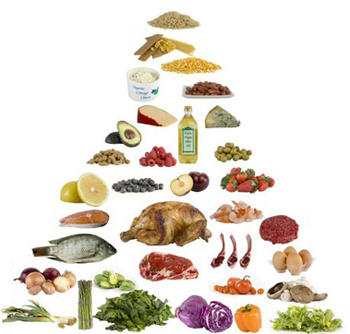
http://www.paleodietfoodlist.net/wp-content/uploads/2010/11/paleo-diet_pyr.jpg

Here is a follow-up to yesterday's post on the paleo diet - Seth Roberts at his Psychology Today blog (Personal Science) spoke with Patrick Vlaskovits, who blogs at PaleoHacks, about the recent increase in attention on the paleo eating style.

Why is paleo growing? I asked the CEO of Paleohacks.

I wondered if Patrick Vlaskovits, who runs the question-answer site PaleoHacks, could shed some light on the recent growth of interest in a Paleo approach to health. So I asked him a few questions.

SETH What have you learned from PaleoHacks about the growth of the Paleo movement during the last year?

PATRICK Well, one thing is certain ... the Paleo movement IS growing. One can look at various proxies for this - Google Trends - for example - http://www.google.com/trends?q=paleo+diet - or more frequent mentions in the mainstream media. But your question is about what I have learned from PaleoHacks.com with regard to growth. PaleoHacks.com's traffic is definitely growing and my sense is that Paleo (by that I mean eating in an evolutionarily appropriate manner) is about to cross the chasm into the mainstream.

A few interesting measures of growth vis-a-vis PaleoHacks are:

1) The increasing frequency of meta-discussions on PaleoHacks -people who have been eating Paleo for some time are now looking to the future about what it means to be "Paleo" and how long-time Paleo eaters are changing their Paleo diets. This is, IMO, is a good thing as Keynes said: "When the facts change, I change my mind - what do you do, sir?" We are learning more about how our health changes after some time eating Paleo - and what needs to be fine-tuned when it comes to things like bacterial/gut health (probably the most important thing to worry about) and hormonal changes relative to our environment, e.g. cortisol levels increasing due to lack of sleep which can result in unwanted/unhealthy weight gain or weight loss.

2) More people are blogging about Paleo and also more people are trying to monetize Paleo and I see them on PaleoHacks. (For the record, I have no problem with anyone trying to monetize Paleo as long as they are responsible about it as I feel that anyone monetizing Paleo should also be a good steward of Paleo.)

SETH How much has PaleoHacks traffic grown over the last year?

PATRICK Short answer: A lot. Longer answer: Depends on which metric you use - but still a lot. Ranges from 6x to 8x YOY increase in visits, uniques and page-views. Currently, PaleoHacks gets +500k page-views a month. [I double-checked my internal stats with public information on Compete.com & Quantcast - and it looks like they undercount (BTW this is a well-known and hotly debated topic).]

SETH What do you think is causing such fast growth? The broad idea is really old. Even the details are old - Weston Price wrote in the 1930s, for example. The Weston Price Foundation, which was started many years ago, is growing much more slowly.

PATRICK Cutting to the chase: no idea. Some thoughts:

Paleo's growth appears highly correlated with CrossFit - but what has caused CrossFit's growth? Not sure. It too has been around a while.

Social media have certainly accelerated/lubricated Paleo's growth but I don't if social media actually *caused* Paleo's growth. What causes memes like Paleo to spark, and then die out or go dormant and then spark again to grow into a raging wildfire? I wish I knew.

Getting a little meta and perhaps off-topic - my assumption is that is true for most "Big Ideas". We rarely recognize or know of their true "discovery" because for-whatever-reason the implications are not fully, if at all, appreciated at the time of discovery. For example, I believe this was the case with penicillin. A French medical student discovered it 1896, Fleming re-discovered it in 1928 and then it lay around until 1939 when Florey fully appreciated it.

I certainly didn't put two and two together when I read Why We Get Sick back in 2000-ish. I thought it a fantastic book (and still do)- but I didn't think of applying the evolutionary lens to diet/nutrition, even though in retrospect, it seems obvious.

Tuesday, April 5, 2011

GOOD Asks the Experts: Is The "Paleolithic Diet" Really Better?

GOOD Magazine asked four presumed experts (none of them are nutritionists or epidemiologists) about the Paleo Diet craze that seems to be sweeping gyms around the country. I'm not sure why this diet has hit the mainstream all of a sudden - Loren Cordain published his The Paleo Diet book a decade ago, and in the last two years there have been a lot of knock-offs:
  • The Evolution Diet: All-Natural and Allergy Free
  • The New Evolution Diet: What Our Paleolithic Ancestors Can Teach Us about Weight Loss, Fitness, and Aging
  • Everyday Paleo
  • The Fat Caveman Dies: Fat Loss Secrets, Myths, and the Paleolithic Diet
  • NeanderThin: Eat Like a Caveman to Achieve a Lean, Strong, Healthy Body
I don't know about the rest of these books, but Cordain (Professor in the Department of Health and Exercise Science at Colorado State University) was publishing peer reviewed articles (some links at the bottom of this post) in support of his nutritional approach leading up to and after the appearance of his book.

According to what reads as a balanced and well-researched Wikipedia article, the paleo diet approach actually dates back to the 1970s (Voegtlin, Walter L. [1975]: The stone age diet: Based on in-depth studies of human ecology and the diet of man. Vantage Press) - and although he is not mentioned, the late Dr. Atkins was using this basic approach in his Atkins Diet. Here is the history up to the late 1990s.

Gastroenterologist Walter L. Voegtlin was one of the first to suggest that following a diet similar to that of the Paleolithic era would improve a person's health.[6] In 1975, he published a book[5] in which he argued that humans are carnivorous animals and that the ancestral Paleolithic diet was that of a carnivore—chiefly fats and protein, with only small amounts of carbohydrates.[26][27] His dietary prescriptions were based on his own medical treatments of various digestive problems, namely colitis, Crohn's disease, irritable bowel syndrome and indigestion.[5][28]

In 1985, S. Boyd Eaton and Melvin Konner, both of Emory University, published a key paper on Paleolithic nutrition in the New England Journal of Medicine,[29] which allowed the dietary concept to gain mainstream medical recognition.[30] Three years later, S. Boyd Eaton, Marjorie Shostak and Melvin Konner published a book about this nutritional approach,[31] which was based on achieving the same proportions of nutrients (fat, protein, and carbohydrates, as well as vitamins and minerals) as were present in the diets of late Paleolithic people, not on excluding foods that were not available before the development of agriculture. As such, this nutritional approach included skimmed milk, whole-grain bread, brown rice, and potatoes prepared without fat, on the premise that such foods supported a diet with the same macronutrient composition as the Paleolithic diet.[26][32][33] In 1989, these authors published a second book on Paleolithic nutrition.[34][35]

Starting in 1989, Swedish medical doctor and scientist Staffan Lindeberg, now associate professor at Lund University, Sweden, led scientific surveys of the non-westernized population on Kitava, one of the Trobriand Islands of Papua New Guinea. These surveys, collectively referred to as the Kitava Study, found that this population apparently did not suffer from stroke, ischemic heart disease, diabetes, obesity or hypertension. Starting with the first publication in 1993,[36] the Kitava Study has subsequently generated a number of scientific publications on the relationship between diet and western disease.[37] In 2003, Lindeberg published a Swedish language medical textbook on the subject.[38] In 2010, this book was wholly revised, updated and published for the first time in English. The 2010 book[39] is geared towards both professionals and interested laypeople alike, cites more than 2000 references, and provides a comprehensive resource for the scientific foundation for the Paleolithic diet and the relationship between what humans eat and western diseases.

Since the end of the 1990s, a number of medical doctors and nutritionists[40][41][42] have advocated a return to a so-called Paleolithic (preagricultural) diet.[7] Proponents of this nutritional approach have published books[28][43][44] and created websites[45][46] to promote their dietary prescriptions.[47][48][49][50][51] They have synthesized diets from modern foods that emulate nutritional characteristics of the ancient Paleolithic diet, some of which allow specific foods that would have been unavailable to pre-agricultural peoples, such as certain animal products (i.e. dairy), processed oils, and beverages.[28][52][53]

While the accuracy of the notion most of these authors hold about what paleolithic people ate (which part of the paleolithic, early? middle? late? and on which continent?) is certainly questionable, the health benefits of eliminating most of the food stuffs added to our diet over the last 10,000 (essentially refined grains and dairy) is not really questionable.

One of the arguments against a paleo approach is that there is no evidence that eating this way increased the life span of our ancestors, who tended to die much younger than we do today. But this is a red herring - they died younger because of the lack of modern medicine to fight and cure many diseases that no longer plague us. Furthermore, they did not suffer during their shorter lifespans from the diseases of affluence that afflict us now (for example, obesity, high blood pressure, nonobstructive coronary atherosclerosis, and insulin resistance/diabetes, not to mention smoking, alcohol, and motor vehicle deaths).

Anyway, I am an advocate of the diet, so I have done my research and found that I feel stronger and have more energy than when I eat grains (I do make exceptions in eating Greek yoghurt, cottage cheese, and some hard cheeses).

Here is the beginning of the GOOD article:

GOOD Asks the Experts: Is The "Paleolithic Diet" Really Better?

Peter Smith, Writer and editor
March 16, 2011

caveman-diet

Since the beginning of civilization, humans have longed to return to a more primitive, simpler way of life. As soon as we had cities, we told stories about escaping them. The concept of the Appalachian Trail, organic agriculture, and Slow Food all arose from a dissatisfaction with technological advances. Now, as it becomes clearer and clearer that the "diseases of affluence"—obesity, diabetes, heart disease—are intrinsically linked to a modern diet and a sedentary way of life, it's time to consider a radical future for food.

What if that future involves going back in time—before the discovery of petroleum, before processed foods, and even before we cultivated starchy carbohydrates in what we now call agriculture? In the decades that followed S. Boyd Eaton's publication of "Paleolithic Nutrition" in the New England Journal of Medicine in 1985, the "paleo diet" has been touted as a solution to our modern ills.

Before we turn back the clock, let’s take a look at what it meant to eat like an early hominin. In the two and half million years since the dawn of the Paleolithic period, our ancestors evolved bigger brains, which required dietary changes and probably required cooking, as Richard Wrangham persuasively argues in his book Catching Fire: How Cooking Made Us Human. Evolution shaped our digestive system: We have a voluminous small intestine and a short lower gut adapted to make better use of meats and cooked or processed grains. Mutations allow us to produce lactase so we can drink mammary fluids (and eat cheeses) beyond infancy. We're more resistant to certain damaging compounds created when food is heated and poorly equipped to resist toxins found in raw meats.

Still, questions remain: Was eating during the Paleolithic period really healthier than the modern human diet? Or is the problem with highly processed, energy-dense, nutrient-poor foods? In other words, is the “paleo diet” especially healthy, or is our current diet just especially bad? To find out, I spoke with four experts for a scholarly, historical taste test of the Paleolithic diet.


Bill Leonard is an anthropologist at Northwestern University who studies physiology and nutrition in ancient humans and traditional cultures alive today. His latest paper looks at evolutionary patterns in diet and activity to understand modern health problems.

Peter Ungar is an evolutionary biologist and paleoanthropoligist at the University of Arkansas who reconstructs ancestral diets using dental morphology and microwear. His latest book is called Mammal Teeth.

Amanda Henry is a paleobiologist studying the evolution of the human diet at the Max Planck Institute for Evolutionary Anthropology in Leipzig, Germany. Her latest research examined plant microfossils in Neanderthal teeth for evidence of cooking.

Katharine Milton is a physical anthropologist who studies the dietary ecology of primates at the University of California at Berkeley. She has published numerous papers on modern and ancient human diets.

Read the whole article.

Here are a few sample articles from Loren Cordain's website - there are a huge collection available for download as PDFs for personal use (45 articles total).

Saturday, April 10, 2010

Introduction the Paleo Diet

http://4pack.files.wordpress.com/2009/04/paleo-diet.jpg

Over at Dave Munger's The Daily Monthly blog, he has been looking at ways to lose some weight in healthy and sustainable way for this month's topic.

Here is his introduction to this month's topic and an explanation of what he is looking for in this exploration:

Can you be fit and healthy without ruining your life?

Posted by Dave on April 1, 2010

I consider myself a relatively fit person. Of course, “relatively” is still relative. I try to watch what I eat. I usually exercise five days a week. Heck, I’ve even run a couple half-marathons. But the rest of my days are pretty much sedentary. I sit in a climate-controlled office staring at my computer screen. I make dinner in my highly automated kitchen. After dinner I sit in the living room sipping wine and watching TV or talking to Greta. Then I go to bed and start the process over again.

That’s not a whole lot of activity for a creature that evolved for endurance. Over a 50 mile course, a race between a man and a horse can be quite competitive. Millions of people all over the world do hard manual labor day in and day out. But millions of others don’t set aside any time for exercise. In my half-marathons, I’ve finished in the top half of competitors, so compared to a lot of people, I must be doing something right. Right? Or do my sedentary days outweigh my occasional bursts of activity? I exercise an average of 4 hours per week. That’s less than 4 percent of my total waking time. Is that really enough to stay fit?

There’s some evidence that a sedentary lifestyle increases mortality, even when exercise levels are taken into account.

I think a lot of people are in my position, living basically sedentary lives and adding in a few minutes here and there for exercise. That’s why, this month, I’m going to discuss fitness. What does it take to be a truly “fit” person? What’s the best way to maximize your health and live a long, active life?

Needless to say, there’s tons of research on the topic, often conflicting. I’ll try to negotiate through as much of it as I can while steering clear of fad diets and scams.

Meanwhile, over the course of the month I’m going to be keeping track of every calorie I consume and every moment of exercise. In fact, I’ve started up an account on a website that allows you to report your consumption to the world, so you can check up on me any time you like by following this link. The site also has an iPhone app, so in principle I should be able to keep track of this stuff wherever I go. I’ll provide updates here from time to time in case you don’t want to check a different site.

One interesting point about the MyFitnessPal site is that it assumes what you want to do is lose weight. You can’t even sign up without entering a weight-loss goal. For the most part, people feel that getting “fit” involves losing weight. I agree, I’d probably be a bit more “attractive” if I lost 20 pounds or so, but would that really make me healthier? There are places on the site to enter your weight, height, and measurements, but no spot to enter other health measures, like resting heart rate, cholesterol levels, and so on. Is this common among the many “fitness” tools out there? I may take some time this month to analyze the most popular fitness web sites and applications, to learn if any one is better than the others (I chose this one because its iPhone app is free and it received better reviews than most of the paid options).

The ultimate goal is to come up with a regimen that doesn’t sacrifice quality of life for health benefits. I’m not going to be eating spelt granola and wheatgrass, and I’m not going to work out for four hours a day. Is it possible to extend and improve your life while still actually living it? With any luck, by the end of this month, we’ll find out.
Since it is my job to do exactly this with my clients, I am very sympathetic to his project here. On the other hand, I know that need to make serious changes to our nutritional habits if we want to be healthy and maintain a healthy weight.

When Dave posted his week one update, he mentioned that we was using the guidelines from the MyFitnessPal site for his nutritional plan. That site gave his the following guidelines for weight loss:
55 percent of my calories should come from carbohydrates, 30 percent from fat, and 15 percent from protein.
My first thought was, "WOW, how out of date is that?" Forward thinking doctors have been recommending higher protein and very little to no grain diets for decades now, with The Adkins Diet, the Zone Diet, the Protein Power Diet, and the Paleo Diet being the most well-known approaches. For me, the Paleo Diet is probably the best overall approach, as long as we are not to strict and are willing to make a few modifications.

This was my comment on Dave's post:

That MyFitnessPal thing is going to make you a fat skinny guy (think Jared from the Subway commercials). You’re eating WAY too many carbs – aim for 30% protein, 40% carbs and 30% fats (only healthy fats), and when that stops working (and it will) drop to 30% carbs and go up to 35% protein and fats (the body does not need carbs to function).

Moreover, try to get most of your carbs from vegetables (higher in fiber, and so much more filling, as well as reducing blood sugar and cholesterol), berries, and starchy vegetables (pumpkin, sweet potatoes, squash) – eat whole grain breads/rice as a last resort.

Proteins should be lean: chicken, turkey, fish, and lean red meat, as well as eggs, and whey protein post-workout.

Fats should be seeds and nuts and nut-butters (walnuts, cashews, almonds, sunflower seeds, pumpkin seeds, flax seed), and olive oil or flax oil – almond oil and walnut oil are also good on salads and good for you.

If you do this with your diet, left weights a few days a week in hard, intense, but brief sessions (40-50 minutes, full-body), and get good sleep, the weight will come right off.

Dave asked for some references to look at my recommendations, and I applaud his willingness to look at other ideas about how to live and eat in a healthy way. Here is the comment I left in response:

My nutritional approach is based on Cordain’s “Paleo Diet” theory. But I am not nearly as strict as he is, recognizing that this is the 21st century and not everything we have invented is bad for us.

I also allow the occasional “cheat meal” after 2-3 weeks of initial adherence to the nutrition plan (depending on progress) – as a way to avoid “craving binges” and as a way to jump-start the metabolism, which slows down as calories are restricted (leptin is the main culprit).

One thing I didn’t mention in my approach is that once my clients reach or near their ideal weight (I’m a fitness trainer, nutritional coach), I advocate an 80/20 approach – do it right 80% of the time and the 20% of the time when you don’t is cool. That way we get to be healthy and still eat foods we like once in a while.

There are some modern conveniences that still work as part of this diet approach, so I am not a purist – 70% or more cocoa content organic dark chocolate (on oz. or so a day) is great for health, and it soothes cravings. Low-fat organic cottage cheese is a great source of non-meat protein.

In reality, however, we need to reprogram our brains to like healthier foods (lower fat and lower sugar). Evolution has programmed us to crave high energy density foods, but now that these foods are ubiquitous and not hard to come by, we have serious health issues as a result of having too much access to the foods and little emotional / cognitive control over eating them.

Peace,
Bill
________

A few studies, in no particular order:

Eric C Westman, Richard D Feinman, John C Mavropoulos, Mary C Vernon, Jeff S Volek, James A Wortman, William S Yancy and Stephen D Phinney. (2007). Low-carbohydrate nutrition and metabolism. American Journal of Clinical Nutrition, Vol. 86, No. 2, 276-284. PMID: 17684196

LA Frassetto, M Schloetter, M Mietus-Synder, RC Morris Jr and A Sebastian. (2009). Metabolic and physiologic improvements from consuming a paleolithic, hunter-gatherer type diet. European Journal of Clinical Nutrition; 1–9. doi:10.1038

Gabriela Radulian,Emilia Rusu, Andreea Dragomir, & Mihaela Posea. (2009). Metabolic effects of low glycaemic index diets. Nutr J. 2009; 8: 5. Published online 2009 January 29. doi: 10.1186/1475-2891-8-5.

Staffan Lindeberg, Loren Cordain, Boyd S. Eaton. (2003). Biological and Clinical Potential of a Palaeolithic Diet. Journal of Nutritional & Environmental Medicine, Volume 13, Issue 3 September 2003 , pages 149 – 160. DOI: 10.1080/13590840310001619397

Cordain L, Eaton SB, Sebastian A, Mann N, Lindeberg S, Watkins BA, et al. (2005). Origins and evolution of the Western diet: health implications for the 21st century. Am J Clin Nutr 81, 341–354.

Frassetto, Lynda A.; Krasnoff, Joanne B.; Mietus-Snyder, Michele; Duda, John; Painter, Patricia L. (2007). Medicine & Science in Sports & Exercise: May, Volume 39, Issue 5; p S286. doi: 10.1249/01.mss.0000274102.15465.3a (conference poster)

Alexander Leaf, and Peter C Weber. (1987). A new era for science in nutrition. Amer J Clin Nutr. 45: 1048-53.

A. Adam-Perrot, P. Clifton, F. Brouns. (2006). Low-carbohydrate diets: nutritional and physiological aspects. Obesity Reviews.
Volume 7, Issue 1 , P. 49 – 58.

Many of these articles (but now all) are available as Open Access, so if you are interested in reading them yourself you can just search for the title.

Again, Dave took my offerings seriously and reviewed some of the research in his most recent post, Glycemic What? His initial look at the material seems to confirm my point of view:

I asked Bill if he could provide any references to support his claims, and he did. So I decided to pick one of his sources at random and give it a read.

The article, led by Gabriela Radulian, reviews several studies on foods with low glycemic indexes. What’s a glycemic index? Wikipedia has a pretty good summary:

The glycemic index, glycaemic index, or GI is a measure of the effects of carbohydrates on blood sugar levels. Carbohydrates that break down quickly during digestion and release glucose rapidly into the bloodstream have a high GI; carbohydrates that break down more slowly, releasing glucose more gradually into the bloodstream, have a low GI. The concept was developed by Dr. David J. Jenkins and colleagues in 1980–1981 at the University of Toronto in their research to find out which foods were best for people with diabetes.

If carbohydrates break down more slowly, the theory goes, then you’re not hungry so quickly after you eat them. It makes some sense: If I eat a bag of potato chips (high GI), I’m hungry 15 minutes later. If I eat a bowl of oatmeal with the same number of calories, I can be satisfied for hours.

Radulian’s team, after reviewing dozens of studies, concluded that diets with low GIs can help with weight loss and also reduce blood pressure and inflammation that lead to heart disease, and also reduce insulin resistance and other factors leading to diabetes.

This particular study doesn’t discuss protein intake, another factor in the “paleo diet” Bill advocates, but another study does. I haven’t read it, but Yoni Freedhoff has. After studying hundreds of families with overweight or obesity problems, researchers found that the only diet that was successful in keeping weight off long-term was a high-protein diet. Low GIs didn’t help. So, at least for this population, GI isn’t a panacea, but Bill’s theory is holding up fairly well: Protein appears to be a key to weight loss, and low-GI foods have other benefits.
Dave concludes his post by speculating on the possible health impact of making the switch from the usual Western diet to the more healthy Paleo style diet. He raises a good point - we have no good longitudinal studies since the research into these diets is all relatively recent (for years, no one took these ideas seriously, but that is now changes).

Here are a couple of articles looking at the health benefits of eating a Paleo style style:
Metabolic and physiologic improvements from consuming a paleolithic, hunter-gatherer type diet

LA Frassetto, M Schloetter, M Mietus-Synder, RC Morris Jr and A Sebastian

Background: The contemporary American diet figures centrally in the pathogenesis of numerous chronic diseases—‘diseases of civilization’. We investigated in humans whether a diet similar to that consumed by our preagricultural hunter-gatherer ancestors (that is, a paleolithic type diet) confers health benefits.

Methods: We performed an outpatient, metabolically controlled study, in nine nonobese sedentary healthy volunteers, ensuring no weight loss by daily weight. We compared the findings when the participants consumed their usual diet with those when they consumed a paleolithic type diet. The participants consumed their usual diet for 3 days, three ramp-up diets of increasing potassium and fiber for 7 days, then a paleolithic type diet comprising lean meat, fruits, vegetables and nuts, and excluding nonpaleolithic type foods, such as cereal grains, dairy or legumes, for 10 days. Outcomes included arterial blood pressure (BP); 24-h urine sodium and potassium excretion; plasma glucose and insulin areas under the curve (AUC) during a 2 h oral glucose tolerance test (OGTT); insulin sensitivity; plasma lipid concentrations; and brachial artery reactivity in response to ischemia.

Results: Compared with the baseline (usual) diet, we observed (a) significant reductions in BP associated with improved arterial distensibility (-3.1±2.9, P=0.01 and + 0.19±0.23, P = .05); (b) significant reduction in plasma insulin vs time AUC, during the OGTT (P=0.006); and (c) large significant reductions in total cholesterol, low-density lipoproteins (LDL) and triglycerides (-0.8±0.6 (P = 0.007), -0.7±0.5 (P = 0.003) and -0.3±0.3 (P = 0.01) mmol/l respectively). In all these measured variables, either eight or all nine participants had identical directional responses when switched to paleolithic type diet, that is, near consistently improved status of circulatory, carbohydrate and lipid metabolism/physiology.

Conclusions: Even short-term consumption of a paleolithic type diet improves BP and glucose tolerance, decreases insulin secretion, increases insulin sensitivity and improves lipid profiles without weight loss in healthy sedentary humans.

European Journal of Clinical Nutrition advance online publication, 11 February 2009; doi:10.1038/ejcn.2009.4
Emphasis added in the results section - the benefits of even a short-term adoption of this nutritional approach are dramatic.

Here is another study looking at the health results. This is a review article presented as a plenary at a conference, so I am just posting one crucial idea about diet composition and what is means for health.
A new era for science in nutrition
Alexander Leaf MD, and Peter C Weber, MD

Human beings today, however, are confronted with diet-related health problems that were previously of minor importance and for which prior genetic adaptation has poorly prepared us. Chronic illness, affecting the older postreproductive persons primarily, could have had little selective influence during evolution, yet such conditions are now the major cause of morbidity and mortality in Western nations. As physicians and nutritionists we are increasingly convinced that the dietary habits adopted by Western societies over the past 100 years make an important etiologic contribution to coronary heart disease, hypertension, diabetes, and some types of cancer. These conditions have emerged as dominant health problems only in the past century and, as Eaton and Konner (5) point out, are virtually unknown among the few surviving hunter-gatherer populations whose way of life and eating habits most closely resemble those of preagricultural human beings (6). The longer life expectancy of people in industrialized countries is not the only reason that the chronic illnesses have assumed importance. The members of technologically primitive cultures who survive to the age of 60 years or more remain relatively free from these disorders, unlike their civilized counterparts (7-9).

Eaton and Konner (5) have estimated a proposed average daily macronutrient intake for late paleolithic human beings consuming a 3000 kcal diet containing 35% meat (788 g of game) and 65% vegetable (1464 g) foods with the composition shown in Table 1. Note that despite the very high animal protein intake, fat intake is low by our standards and contains a high proportion of polyunsaturated fatty acids. This important situation arises because game animals were lean and since they foraged for their food rather than being fattened with grains, as are present domesticated meat sources, little of the fat they contained was saturated and the plants they ate provided a relatively high proportion of polyunsaturated fatty acids. Furthermore-and probably highly significant-the fat of wild animals contains appreciable amounts of eicosapentaenoic acid (C20:5n-3), ‘ı-4% (5). Because the vegetable portion of the diet must also have contained appreciable amounts of n-3 polyunsaturated fatty acids including eicosapentaenoic acid (C20:5n-3), it becomes apparent that paleolithic man was ingesting an appreciable amount of these interesting n-3 fatty acids. In contemporary nutrition such quantities of n-3 fatty acids are present only in the diets of Eskimos and Japanese fishermen in whom the incidence of atherosclerosis and its most serious manifestation, coronary artery disease, is very much lower than among Western affluent societies (11, 12).
They raise a crucial point here that I have raised elsewhere - eating grass-fed beef and wild game is crucial to our health if we want to be healthy and still eat meat. The fat content makes a huge difference compared to what we get in feed-lot beef.

Finally, here is one last article that looks at higher protein diets in weight loss, which was Dave's original goal in this month's topic.

Comparison of high-fat and high-protein diets with a high-carbohydrate diet in insulin-resistant obese women.

McAuley KA, Hopkins CM, Smith KJ, McLay RT, Williams SM, Taylor RW, Mann JI.

Edgar National Centre for Diabetes Research, Medical and Surgical Sciences, University of Otago, PO Box 56, Dunedin, New Zealand. kirsten.mcauley@stonebow.otago.ac.nz

Erratum in:

  • Diabetologia. 2005 May;48(5):1033.

Comment in:

Abstract

AIMS/HYPOTHESIS: A diet low in saturated fatty acids and rich in wholegrains, vegetables and fruit is recommended in order to reduce the risk of obesity, cardiovascular disease and type 2 diabetes mellitus. However there is widespread interest in high-fat ("Atkins Diet") and high-protein ("Zone Diet") alternatives to the conventional high-carbohydrate, high-fibre approach. We report on a randomised trial that compared these two alternative approaches with a conventional diet in overweight insulin-resistant women. METHODS: Ninety-six normoglycaemic, insulin-resistant women (BMI >27 kg/m(2)) were randomised to one of three dietary interventions: a high-carbohydrate, high-fibre (HC) diet, the high-fat (HF) Atkins Diet, or the high-protein (HP) Zone Diet. The experimental approach was designed to mimic what might be achieved in clinical practice: the recommendations involved advice concerning food choices and were not prescriptive in terms of total energy. There were supervised weight loss and weight maintenance phases (8 weeks each), but there was no contact between the research team and the participants during the final 8 weeks of the study. Outcome was assessed in terms of body composition and indicators of cardiovascular and diabetes risk. RESULTS: Body weight, waist circumference, triglycerides and insulin levels decreased with all three diets but, apart from insulin, the reductions were significantly greater in the HF and HP groups than in the HC group. These observations suggest that the popular diets reduced insulin resistance to a greater extent than the standard dietary advice did. When compared with the HC diet, the HF and HP diets were shown to produce significantly (p<0.01) p="0.02).">10% increase in LDL cholesterol, whereas this occurred in only 13% of subjects on the HC diet and 3% of those on the HP diet. CONCLUSIONS/INTERPRETATION: In routine practice a reduced-carbohydrate, higher protein diet may be the most appropriate overall approach to reducing the risk of cardiovascular disease and type 2 diabetes. To achieve similar benefits on a HC diet, it may be necessary to increase fibre-rich wholegrains, legumes, vegetables and fruits, and to reduce saturated fatty acids to a greater extent than appears to be achieved by implementing current guidelines. The HF approach appears successful for weight loss in the short term, but lipid levels should be monitored. The potential deleterious effects of the diet in the long term remain a concern.

PMID: 15616799 [PubMed - indexed for MEDLINE]
There you have it - a basic introduction to eating healthier with a Paleo style diet consisting of higher protein, healthy fats, fresh fruits and vegetables, and little to do no dairy or grains.