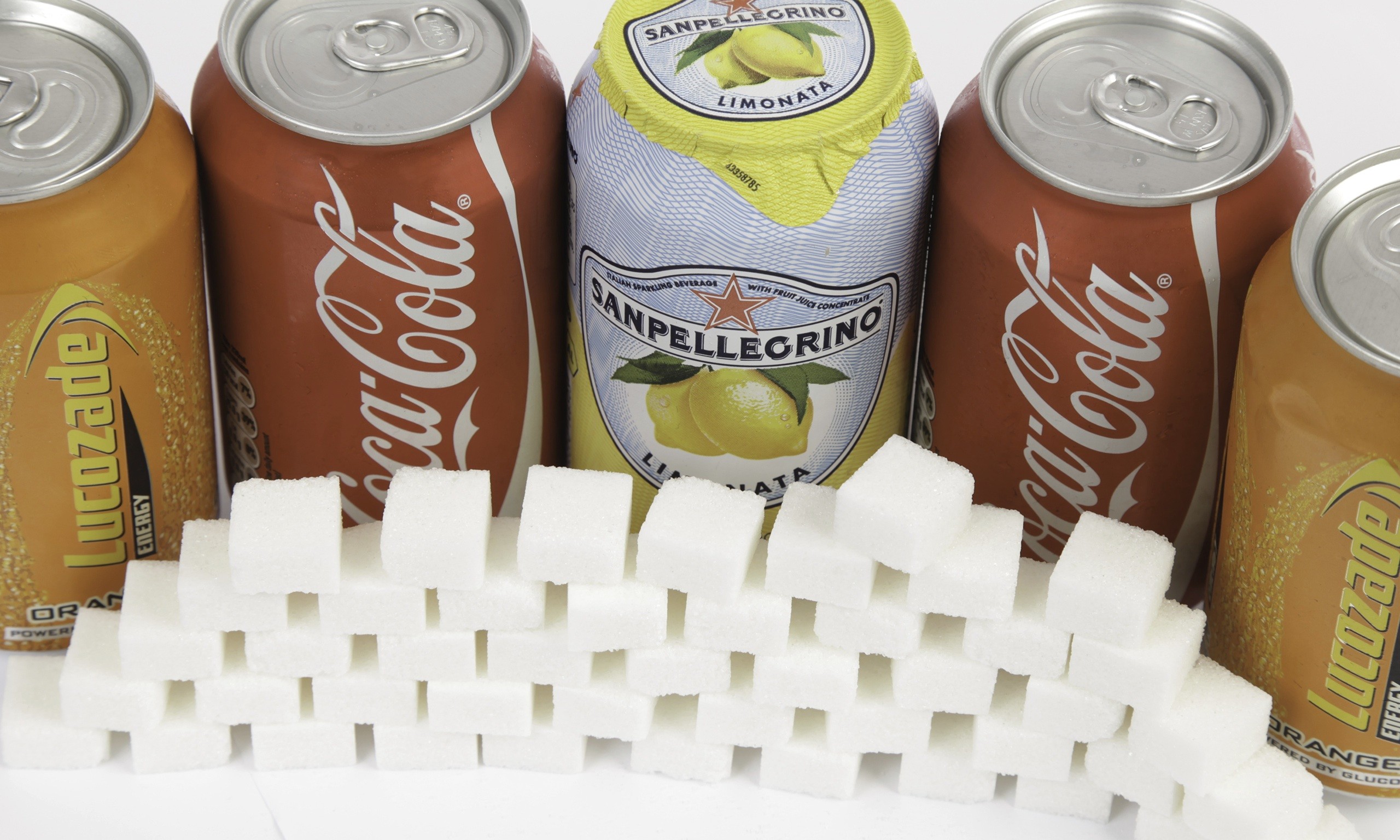
Showing posts with label nutrition. Show all posts

Friday, June 6, 2014

Fitness Friday - Fitness News and Information You Can Use

It's Fitness Friday again, and this week we have an interview of Dr. Stu Phillips conducted by Brett Contreras; three articles from T-Nation on deadlifting (made simple), ab exercises (kept simple), and being an "ancestral athlete"; and finally two nutrition studies, one on L-ornithine's effect on stress markers and sleep quality (seems good) and on water cress as the ultimate superfood (really? I have my doubts).

An Interview With Dr. Stu Phillips on Muscle Hypertrophy and Sports Nutrition

Brett Contreras

Yesterday (May 26) I had the privilege of sitting down with Dr. Stuart Phillips from McMaster University (click HERE to follow him on Twitter) and discuss various topics in sports science and nutrition. We talked about the hormone hypothesis, best rep ranges for hypertrophy (and load versus effort), THIS article (Mitchell et al. 2012), sarcoplasmic versus myofibrillar hypertrophy, limitations and practical relevance of his research, levels of protein intake for maximal hypertrophy, recommended supplements for maximum hypertrophy, and more.
* * * * *

Next up are a couple of articles from T-Nation.


The Simple Deadlift Program 

by Matt Kroc   
06/03/14


Here's what you need to know...

  • Hitting a new PR in the deadlift is surprisingly simple. Deadlift hard and heavy and then let your body rest and grow. There's no need for fancy techniques.
  • While this program should result in at least a 20-50 pound increase in 1RM, one lifter experienced a 90-pound increase.
  • You'll only deadlift once per week, preferably 3-4 days after squatting. You'll also take every fourth week off from deadlifting.
Training the deadlift is simple. Hit it hard, hit it heavy, then let your body recover and grow. There's really no need for fancy techniques like drop sets, super sets, or rest-pause sets. Regardless, you gotta' be smart. Effective programming for the deadlift involves a well-planned progression in the amount of weight used. It also addresses and prevents overtraining, stimulates hypertrophy, and reinforces proper technique.

Using the program below, it's not uncommon to see a 20-50 pound increase in 1RM over a sixteen-week training period, and I've even witnessed as much as a 90-pound increase. You'll only deadlift once per week, preferably 3-4 days after squatting. You'll also notice that you take every fourth week off from deadlifting. This is to allow sufficient recovery and prevent overtraining. Deadlifting is very taxing and the lower back muscles are often stressed heavily when squatting and during other heavy back movements so you need the break. No worries, though, you can still train the lower back muscles during the fourth week, but with different exercises like good mornings, weighted back raises, reverse hypers, and pull-throughs, keeping the reps in the 10-20 range.

* * * * *

Ab Training Made Simple 

by John Meadows   
05/26/14
 

Here's what you need to know...

  • Ab workouts should be simple, quick, and effective. In fact, you only need two exercises and perhaps a third to work the "vacuum."
  • The biggest error people make in training abs is their breathing. You need to inhale deeply before executing the movement and then as you crunch or leg raise, blow all of your air out. This forces your abs to contract.
A lot of people ask me why I don't write more ab routines. The truth is, I assumed people would find my suggestions too simple. But an ab workout should be simple, and quick, and effective. In fact, you only need two exercises and maybe on occasion a third to get what you want out of your abs.

Only Two Exercises The first exercise is primarily a "lower ab" movement where you bring your pelvic girdle toward your torso. For me, that means leg raises.
... The second exercise is primarily an upper ab movement in which you take your torso to your pelvic girdle.
* * * * *

The 10 Rules of the Ancestral Athlete 

by Ben Greenfield   
6/5/2014 


Here's what you need to know... 

  • Your ancestors have important things to teach you about work, rest, stress, movement, and diet. 
  • You don't need to quit your office job, but you do need to hack your job to simulate the hunter-gatherer lifestyle as much as possible. Stand up and get moving, desk jockey. 
  • It's okay to sometimes be hungry, sometimes fast, and sometimes eat completely random meals you'd normally never eat. 
  • You need to accept the fact that you live in a post-industrial era and that you're often exposing your body to relatively unnatural activities, foods, and environments, and you may actually need a bit of better living through science.
Last year I completed Ironman Canada. It took me nine hours and 36 minutes. That's relatively fast for an Ironman. Not "get a paycheck" fast, but fast. However, in preparing for the race, I only trained 8-10 hours a week. That's about one third of the training volume of my peers.

I don't have amazing genetics and I don't use illegal performance enhancing drugs; nor was I wearing roller skates for the run. I simply live my life by a defined set of rules that give me an optimum amount of strength, stamina, and health that allow me to do things like an Ironman triathlon at the drop of a hat. I call these "The 10 Ancestral Athlete Rules."

Why "ancestral"? Look at it this way: Your ancestors wouldn't have planted their ass in a chair for 8 hours a day and then, at the end of that day, driven a car to the gym, wandered in, huffed perfume and deodorant under fluorescent lighting, and destroyed themselves for an hour with a chunk of perfectly symmetrical steel or iron. Instead, they would've engaged in light, low-level physical activity throughout the day, such as hunting, gathering, foraging, etc. They would have slept more, stressed less, and then occasionally run from a lion or lifted heavy stuff, often outside and in unpredictable situations.
So here are my rules for living like an Ancestral Athlete....
 * * * * *

Finally, two nutrition studies:

Randomised controlled trial of the effects of L-ornithine on stress markers and sleep quality in healthy workers


Mika Miyake, Takayoshi Kirisako, Takeshi Kokubo, Yutaka Miura, Koji Morishita, Hisayoshi Okamura and Akira Tsuda  [Author Affiliations ]

Nutrition Journal (2014, Jun 3), 13:53 doi:10.1186/1475-2891-13-53 

Abstract (provisional)


Background

L-ornithine is a non-essential, non-protein amino acid. Although L-ornithine is contained in various foods, the amount is usually small.

Recently, studies have shown that orally administered L-ornithine reduced the stress response in animals.

From these findings, we speculated that L-ornithine may play a role in the relieve of stress and improve sleep and fatigue symptoms in humans. Through a randomised, double-blind, placebo-controlled clinical study, we asked if L-ornithine could be beneficial to stress and sleep in healthy workers.


Method

Fifty-two apparently healthy Japanese adults who had previously felt slight stress as well as fatigue were recruited to be study participants and were randomly divided into either the L-ornithine (400 mg/day) or placebo group. They orally consumed the respective test substance every day for 8 weeks. Serum was collected for the assessment of cortisol and dehydroepiandrosterone-sulphate (DHEA-S). Perceived mood and quality of sleep were measured by the Profile of Mood States (POMS), Athens Insomnia Scale (AIS), and Ogri-Shirakawa-Azumi sleep inventory MA version (OSA-MA).
 

Results

Serum cortisol levels and the cortisol/DHEA-S ratio were significantly decreased in the L-ornithine group in comparison with the placebo group. Also, anger was reduced and perceived sleep quality was improved in the L-ornithine group.
 

Conclusion

L-ornithine supplementation has the potential to relieve stress and improve sleep quality related to fatigue, both objectively and subjectively.


The complete article is available as a provisional PDF. The fully formatted PDF and HTML versions are in production. 


* * * * *

This last one is a little misleading because the authors discount the health-protective qualities of the phytochemicals in berries and other colorful foods.

Watercress tops list of ‘powerhouse fruits and vegetables.’ Who knew?

By Lenny Bernstein
June 5, 2014


(Christopher Furlong/Getty Images)


Anyone who’s paying attention knows it’s a very good idea to eat green, leafy vegetables and colorful citrus fruits. Over time, research has shown their association with reducing cancer and chronic disease. In fact, most of us know that we should be consuming multiple helpings of these foods each day. (Here is a handy calculator from the Centers for Disease Control and Prevention that helps you figure out how much you need.)

But which vegetables are best? Fads come and go as quickly as that kale in your fridge. One day it’s broccoli, the next cabbage. And how do you compare the benefits of vegetables versus fruits?

Researchers at William Paterson University in New Jersey have done all of us a big favor by producing a list of 41 “powerhouse fruits and vegetables” ranked by the amounts of 17 critical nutrients they contain. Published Thursday in the CDC journal “Preventing Chronic Disease,” the foods are scored by their content of fiber, potassium, protein, calcium, folate, vitamin B12, vitamin A, vitamin D and other nutrients, all considered important to public health.

Atop the list? Watercress, long known as a superfood because it packs large amounts of a wide variety of these important substances, with a score of 100. The next five in the elite category: Chinese cabbage (91.99), chard (89.27), beet greens (87.08), spinach (86.43) and chicory (73.36). The full chart is below.

Friday, May 23, 2014

Fitness Friday - Fitness News and Information You Can Use

In this week's Fitness Friday, we get the truth on testosterone replacement for men, a review of Dan John's new book, a look at powerlifting squats vs. Olympic squats, the pros and cons of counting calories, and the good, the bad, and the ugly in powerlifting.

Testosterone Doesn't Up MI or Stroke: May Be Protective?

Miriam E. Tucker
May 18, 2014

LAS VEGAS — Contrary to recent findings, a new retrospective study of data from 40 specialized clinics around the United States has found that testosterone therapy in men is not associated with an increased risk for myocardial infarction (MI) or stroke and may even be cardioprotective.

The late-breaking results were presented here at the American Association of Clinical Endocrinologists (AACE) 23rd Annual Scientific and Clinical Congress by Robert Tan, MD, director of the Opal Medical Clinic, Houston, research director of the Low T Institute, and clinical professor of family and community medicine at the University of Texas.

Among 19,968 hypogonadal men who received testosterone therapy during a 5-year period (2009–2014) at Low T Centers nationwide (www.lowtcenter.com), the risk for MI was 7-fold lower and the risk for stroke 9 times lower compared with samples from the general population. Further, there was no evidence of worsening of preexisting MI or stroke in patients treated with testosterone.

"There has been a lot of hype and concern....I want to try to explain the other side of the story," Dr. Tan said in introducing his presentation.

He told Medscape Medical News, "When compared with other databases looking at rates of MI and strokes, it appears testosterone is cardioprotective."

* * * * *

From Built Lean, a review of Dan John's new book, Intervention: Course Corrections for the Athlete and Trainer.

Intervention By Dan John Book Review

by Marc Perry, CSCS, CPT | May 20, 2014


I first came across Dan John at a Perform Better Summit a few years ago. Since then, I’ve heard his name pop up over and over again.

More recently, BuiltLean contributor Steve Bergeron reviewed the 8-Week BuiltLean Transformation Program I developed. Steve suggested I incorporate more hip-dominant movements and recommended I check out Intervention: Course Corrections for the Athlete and Trainer by Dan John. I bought the book and excitedly starting digging into it.

Dan John is an accomplished strength coach, discus thrower, and Olympic lifter. He has developed a large following of trainers and coaches who enjoy his no frills, strength-based approach to getting very strong and very athletic.

* * * * *

From Breaking Muscle (be sure to check out the video of Donnie Thompson working his way up to a world record 1305lb squat):

Powerlifting Versus Olympic Squats: Which Is Better?

Robert Camacho
Contributor - Strength and Conditioning, Injury Prevention and Rehab
More Articles from this Author

Olympic Squat

Generally speaking there are two ways to squat: powerlifting or Olympic style. Even though they are both a squat and legitimate techniques in their own right, there is a bit of a difference when considering the utility and risks of each method.

Both squat styles involve tossing some weight on a barbell, placing it on top of your shoulders, and then dropping your butt down. But within that, there are some significant biomechanical differences between the two. These differences are mostly related to two factors: bar and foot position. Olympic squats are typically performed high bar with a narrow stance, while powerlifting are done low bar with a wide stance. Let’s take a look at some examples.
By the way, there is also the bodybuilder squat, with narrower foot position and the bar higher on top of the traps.

* * * * *

From T-Nation, Dani Shugart on counting calories, who should and who should not.

Calories: Should You Be Counting?

by Dani Shugart   
05/20/14


Here's what you need to know...

  • Because their instincts are bad and their appetite is low, skinny guys seeking gains should spend some time counting calories.
  • Physique competitors are at risk of undereating more than overeating. Counting calories and macros keeps them on task when their contest-crazy minds get out of hand.
  • Average overweight people are better off focusing their efforts on other areas, like food quality, than counting every little morsel.
  • For most people, calorie counting is a useful but temporary strategy. If it makes you neurotic, you've been doing it too long or it's just not for you.
It takes a special kind of person to actually want to keep track of every last thing he consumes. He measures it, analyzes it, then determines whether or not he should adjust it. He plays accountant with his body. Some calorie accountants are very successful. They build more muscle, lose more fat, and become aware of deficiencies. Some of them even develop the skills to masterfully manipulate calories from different sources and achieve a specific look for a specific event. Anal retentive tendencies pay off for them.

But others play accountant and get nothing back for their efforts. They plug their weight into a formula or online calculator and track every morsel, then make either temporary progress or none at all. Why does it work for some people but not for others? While working with clients it's become clear to me who benefits from counting and who would get better results by placing their focus elsewhere.
* * * * *

Finally, also from T-Nation, here is Charles Staley on powerlifting.

Powerlifting: The Good, Bad and Ugly

by Charles Staley   
05/19/14


Here's what you need to know...
  • Powerlifting is awesome, except for some of the fat physiques, the gaggle of federations, the rampant drug use and the supportive garb that allows you to artificially bench more than you can deadlift.
  • The rise of raw powerlifting has been positive. It's more relatable to the average lifter and appeals to those who'd rather see a more honest display of strength.
  • Despite its flaws, powerlifting is a primal rush, and signing up for a meet is one of the best things you can do to ramp up your training progress.
Back in the days when I was involved in Olympic-style weightlifting, I tended to view powerlifting with some disdain, which, by the way, is common in weightlifting circles. Weightlifters love to bag on their iron brothers for being fat simpletons who over-rely on high-tech supportive garb and who don't have the technical skills necessary for "advanced" skills like the Olympic lifts.

Powerlifting deserves some of this reputation. A quick search on YouTube will pull up video after video of bloated 350-pound dudes quarter-squatting about 40% more than they could actually squat to parallel without all the multi-ply supersuits and wraps. However, judging the sport by these unfortunate examples is about as fair as judging the sport of weightlifting by looking at some of its obese super-heavyweight competitors. The truth is, powerlifting is going through some very positive changes lately, which I'll discuss in a bit. For now though, I'd like to briefly share my personal experiences with the sport so that you have a bit of insight into my perspective.

I participated in my first raw competition in June of 2010 at the age of 50. Like many new competitors opt to do, I did a partial meet – in this case, I only competed in the deadlift event. One thing that's really nice about powerlifting, especially for newbies, is that you can just do one or two events if you'd like. This way, you can get started with a minimum of stress and anxiety. I lifted well and met lots of nice folks. I was hooked. Since then, I've gone on to win the World Championships for my age/weight category in the 100% Raw Federation. As I write this, I'm gearing up for my next meet.

I confess that I'm not exactly cut out to be a powerlifter. In fact, during a recent discussion with my insurance agent where I mentioned that I was training for a competition, he blurted, "Oh, you do triathlons?" At 198 pounds, powerlifting would reward me dearly for being 5'7" as opposed to 6'1", but so be it. I'd also be better off being 24 rather than 54, but guess what? I've decided to compete on my own terms.

Sure, my lifts would skyrocket if I brought my bodyweight up to 250 or so, but so would my waistline, and I'm not down with that. I'm using competitive powerlifting to test myself at my current height and weight, not to do whatever it takes to add a few pounds to my total. Keep this in mind as I transition to the less-appealing aspects of powerlifting.

Friday, April 25, 2014

Fitness Friday - Fitness News and Information You Can Use


For this week's Fitness Friday, I serve up four good articles - one on how diet and exercise can contribute to healthy longevity, an article from Eric Cressey on band training, and two articles from T-Nation - an older gem from Charles Staley and an interesting piece on using drop sets for strength and size.

From Medical News Today, new research suggests that red meat and exercise are the keys to healthy aging.

Red meat and exercise could be the key to keeping body and mind in peak condition as we age

Thursday 27 February 2014

Protein loading to improve muscle performance isn't just for athletes and bodybuilders, with Deakin University researchers finding that a protein rich diet incorporating lean red meat combined with strength training improved the size and strength of muscles in elderly women.

The researchers believe the study's results show that the combination of red meat and strength training could be the key to reducing the impact age-related muscle loss has on the risk of falls and the ability of the elderly to undertake day-to-day activities such as getting out of a chair. In light of these positive results the study is being extended to look at the impact that increased dietary protein combined with strength training also has on the mental health and wellbeing of older people.
Read the whole article.

* * * * *

From Cressey Performance, an excellent article on using heavy bands for power training.

Band-Resisted Training for Power

Published on April 12th, 2014
Written by: Eric Cressey

Chat with any powerlifter about how he utilizes bands in his training, and you'll likely hear that they’re used for accommodating resistances to build strength. In other words, you can set up the bands to make an exercise harder at the portions of the strength curve at which you’re strongest. And, this is certainly an awesome application that’s helped thousands of lifters (myself included) to build strength.

Being a former competitive powerlifter, until just a few years ago, I’d looked at bands as something that could only make an exercise harder. Over the years, though, I've come around and begun to look for ways to utilize them to make things easier with our beginners. And, obviously, using them for pull-up and push-up assistance can be extremely helpful with working with new clients.


I did not, however, realize until just recently that there was also a middle ground between these two extremes (advanced lifter and novice client). In this capacity, more and more, we use bands with our athletes to be able to train power more aggressively, and more frequently. How do the bands fit in? They lower the landing stress on more horizontal and lateral power exercises.
Read the whole article.

* * * * *

Here is an old article that came up recently on Facebook, but it is still entirely relevant - from T-Nation.

7 Hard Truths About Lifting

by Charles Staley
08/20/13

Here's what you need to know...

• No matter what the goal, you simply can't go wrong by making strength a priority.
• Check your ego. Allow yourself to be coached by someone more knowledgeable.
• Numbers don't lie. If you're getting stronger, you're getting better.
• Stop working hard for the sake of working hard. Practice training economy and maximize the results of your efforts.
Over my 30-year career in the fitness biz, I've experimented with a lot of things that seemed promising at first, only to end up on the scrap heap in the end. But seven concepts have remained tried and true over the past three decades. As a bonus, I'll also share three ideas that I'm taking a second look at.
Read the whole article.

* * * * *

Here is another piece from T-Nation, on using drop sets for strength and power.

Masochistic Mechanical Drop Sets

by Ben Bruno
04/17/14


Here's what you need to know...
•  Mechanical drop sets allow you to switch to an easier exercise or an easier variation of the same exercise as a means to extend the set further – a great way to add muscle to stubborn body parts.
•  Don't go overboard. Two to four sets is adequate for upper body exercises, while 1-2 sets should be plenty for lower body.
Drop sets are a time-tested, muscle-building technique. You take a weight and rep it out, reduce the weight and rep out again, and then reduce the weight further and do it again. Essentially you reduce the weight as a means to keep the set going.

Mechanical drop sets follow a similar concept, only rather than reduce the load as you fatigue, the load stays the same throughout. You simply switch to an easier exercise or an easier variation of the same exercise to extend the set further. The key is to use exercises that sequence well together and require little-to-no setup changes so you can transition from one exercise to the next with minimal disruption to the flow of the set.

There are many different and effective ways to employ mechanical drop sets for both upper body and lower body work. Here are eight of the best, along with examples for each.
Read the whole article.

Friday, April 18, 2014

Fitness Friday - Fitness News and Information You Can Use

For this week's Fitness Friday, we have an article on workout nutrition (before, during, and after), another opinion on Crossift, two articles from T-Nation - one on squatting, the other on shoulders - and we finish with an article from Bodybuilding.com on core work.

First up, from Brian St. Pierre at Precision Nutrition, here is the newest thinking on workout nutrition, pre-, peri-, and post-. John Berardi, founder of Precision Nutrition, helped Biotest design some of the earliest effective post-workout nutrition products, and he has continued working in this realm ever since.

Workout nutrition: What to eat before, during, and after exercise

By Brian St. Pierre

We all know that what you eat is important. But what about when you eat? Especially if you’re active?

In this article, we’ll review the evidence on workout nutrition and give you practical recommendations for what to eat before, during, and after exercise.

Quick summary


By eating a healthy, well-considered meal 1-2 hours before exercise, and another healthy, well-considered meal within 1-2 hours after exercise, most people can meet their workout nutrition needs without anything else.

In other words:

If you’re a healthy person who exercises regularly, you probably don’t need special workout nutrition strategies.

Athletes have special needs

Of course, if you’re…
  • An endurance athlete. You train for high-level competition. You log a lot of high intensity miles each week. For you, carbohydrate and calorie needs are likely higher. You could add a protein + carbohydrate (P+C) drink during your training.
  • Training as a bodybuilder. You lift weights with serious muscle growth in mind. You want to gain weight. Your protein and calorie needs are likely higher. You could also add a protein + carbohydrate (P+C) drink during your training.
  • Getting ready for a fitness competition. You accumulate a lot of exercise hours. You’re trying to drop to a single-digit body fat percentage. For you, carb intake should be lower. You’d benefit from the performance-enhancing, muscle-preserving branched-chain-amino acids (BCAA) during your training.
Here’s a handy table that outlines our recommendations by goal and by body type.
Read the whole article.

* * * * *

Here is another opinion on Crossfit, since everyone seems to have one. This time it's Dr. Jose Antonio, a well-known research in sports science.

CrossFit – My Fiddy Cents

By Jose Antonio PhD FISSN


I’ve been asked so much about CrossFit that I figured I’d share my fiddy cents worth. Now mind you, naysayers have suggested to me that “if you haven’t tried CrossFit, then you shouldn’t criticize it.” WTF? That’s the dumbest thing (okay, not the dumbest, but it’s in my top 25) I’ve ever heard. So let me use that sterling logic. If I can’t run a 9.9 sec 100 meter dash, then I can’t comment on sprinting. If I haven’t actually finished a marathon in 2 hr 30 min or less, then I can’t comment on that either. So only those who climb Mt Everest have an understanding of altitude physiology? And if you want to compete in the Iditarod Trail Sled Dog Race, then I guess only dogs can comment on that. Those pre-conceived notions make about as much sense as fighting Mike Tyson with two arms tied behind your back. It’s just plain dumbass.


News Flash: if you understand the underlying physiology and biochemistry of any exercise or sport (i.e., overload, specificity, progression, etc), then you should be able to provide sound and evidence-based advice. It’s called SCIENCE.

Moving on.
Read the whole article.

* * * * *

Two articles from T-Nation this week, one is a brutal way to improve your squats, and the other is from Eric Cressey on how to build "bullet-proof" shoulders.


The 185 Rep Squat Workout 

by Dennis Weis
04/10/14 


Here's what you need to know...

•  High-rep squats were once a staple of legendary bodybuilders. Why? Because they worked!

•  High reps improve cardiovascular function, muscular bulk and definition, articulation and mobility of joints, coordination, and mental toughness.

•  Leg specialization of this kind has a tremendous anabolic effect on other muscle groups as well. Bodybuilders have experienced a solid 1-inch gain on their upper arms, usually accompanied by a 10-pound muscle mass gain.
Pain. Suffering. Lactic-acid paralysis. Some workouts not only tax your muscles and trigger hypertrophy, they also challenge your mental toughness, testing your courage and even your character. This is one of those workouts.

High-rep leg specialization is a badge of hardcore bodybuilding and will shred you down to the essence of who you are. My personal bests over the years were 305 x 75, 405 x 27, and 455 x 15 at a bodyweight of 212-pounds or under.

The dramatic training results of many old-school bodybuilding stars such as Steve Reeves, Larry Scott, Reg Park (who did up to 50 reps per set), John Grimek, and many others, is undeniable proof of the benefits of high reps. High reps improve cardiovascular function, respiratory efficiency, muscular bulk and definition, articulation and mobility of joints, coordination, and endurance. With high-rep back squats, your mind has to play a big part too, because they're just too damn hard to do without full-throated commitment.
Read the whole article.

* * * * *

How to Build Bulletproof Shoulders

by Eric Cressey
04/09/14


Here's what you need to know...
•  Landmine presses are an effective "middle of the road"exercise between overhead work and true horizontal pressing exercises.

•  If you're dead-set on returning to barbell overhead pressing as you come back from a shoulder injury, test the waters with a bottoms-up kettlebell variation first.

•  Athletes need to earn the right to train lats. You aren't allowed to do pull-ups or pulldowns until you pass the back-to-wall shoulder flexion test. No exceptions allowed.

•  Don't train the rotator cuff to failure. Fatigue is your enemy when you're trying to establish a strong and effective rotator cuff.
A lot of athletes refer to me as the "Shoulder Guy." This is probably because I've personally evaluated more than 3,000 shoulders. With that experience comes a lot of new expertise in the shoulder arena. Below, you'll find three examples of new things we're doing to keep shoulders healthy and performing at high levels.
Read the whole article. By the way, for those who remember him, that is Lee Priest in the picture above. He used to advocate 25 sets of biceps curls in magazine articles (Flex usually). Insanity for anyone not loaded to the gills on steroids and growth hormone.

* * * * *

Finally,

8 Moves For A Crazy-Strong Core

by Ben Bruno Apr 09, 2014


Website: benbruno.com

Many compound lifters scoff at abdominal exercises and argue that heavy squats and deadlifts work the core sufficiently. I think this is a mistake. Sure, the core gets taxed during heavy compound movements, but it's often the hidden weak link and limiting factor that keeps lifters from reaching new PRs.

In other words, a stronger core inevitably leads to bigger lifts. If it helps, think of it this way: Squats and deadlifts work the glutes and hamstrings a hell of a lot, but most serious lifters still do supplemental posterior chain work. Why should the core be any different?

There's a catch, though. Crunches, basic planks, and side planks aren't going to provide the stimulus necessary for strong lifters to get stronger, because they're simply too easy. You need to challenge yourself with difficult, high-tension core exercises to see improvement across the board.

Here are eight demanding exercises to take both your abdominal strength and your overall strength to the next level!

Read the whole article.

Tuesday, March 18, 2014

Rethinking Decades of Bad Science on Saturated Fats and Health

Sausages

New research reported in many media sources yesterday refutes the connection between saturated fat and heart disease that has been taken as absolute truth for decades now. The article below is from Science 2.0. The researchers also found that consuming polyunsaturated fats like omega-3s also has little or no impact on cardiovascular disease.

That said, I will continue to enjoy grass-fed beef, eggs, and chicken sausages, as well as almond, sunflower, and cashew butters.


Do Saturated Fats Really Cause Heart Disease?

By News Staff | March 17th 2014

An international collaboration recently analyzed existing cohort studies and randomized trials on coronary risk and fatty acid intake and drew a conclusion that will surprise you if you only get your science and health news from mainstream newspapers or television - the evidence to support restricting the consumption of saturated fats in order to prevent heart disease isn't there.

And consumption of polyunsaturated fats is probably not a bad idea but there is insufficient evidence for guidelines which advocate the high consumption of polyunsaturated fats (such as omega 3 and omega 6) to reduce the risk of coronary disease.

When specific fatty acid subtypes (such as different types of omega 3) were examined, the effects of the fatty acids on cardiovascular risk varied even within the same broad 'family' – questioning the existing dietary guidelines that focus principally on the total amount of fat from saturated or unsaturated rather than the food sources of the fatty acid subtypes.

Lead author Dr. Rajiv Chowdhury of the University of Cambridge, said, "These are interesting results that potentially stimulate new lines of scientific inquiry and encourage careful reappraisal of our current nutritional guidelines.

"Cardiovascular disease, in which the principal manifestation is coronary heart disease, remains the single leading cause of death and disability worldwide. In 2008, more than 17 million people died from a cardiovascular cause globally. With so many affected by this illness, it is critical to have appropriate prevention guidelines which are informed by the best available scientific evidence."

For the meta-analysis, the researchers analyzed data from 72 unique studies with over 600,000 participants from 18 nations. The investigators found that total saturated fatty acid, whether measured in the diet or in the bloodstream as a biomarker, was not associated with coronary disease risk in the observational studies. Similarly, when analyzing the studies that involved assessments of the consumption of total monounsaturated fatty acids, long-chain omega-3 and omega-6 polyunsaturated fatty acids, there were no significant associations between consumption and cardiovascular risk.

Interestingly, the investigators found that different subtypes of circulating long-chain omega-3 and omega-6 fatty acids had different associations with coronary risk, with some evidence that circulating levels of eicosapentaenoic and docosahexaenoic acids (two main types of long-chain omega-3 polyunsaturated fatty acids), and arachidonic acid (an omega-6 fat) are each associated with lower coronary risk.

Similarly, within saturated fatty acid, the researchers found weak positive associations between circulating palmitic and stearic acids (found largely in palm oil and animal fats, respectively) and cardiovascular disease, whereas circulating margaric acid (a dairy fat) significantly reduced the risk of cardiovascular disease.

Additionally, when the authors investigated the effects of omega-3 and omega-6 fatty acid supplementations on reducing coronary disease in the randomised controlled trials, they did not find any significant effects – indicating a lack of benefit from these nutrients.

Professor Jeremy Pearson, Associate Medical Director at the British Heart Foundation, which helped fund the study, said, "This analysis of existing data suggests there isn't enough evidence to say that a diet rich in polyunsaturated fats but low in saturated fats reduces the risk of cardiovascular disease. But large scale clinical studies are needed, as these researchers recommend, before making a conclusive judgment.

"Alongside taking any necessary medication, the best way to stay heart healthy is to stop smoking, stay active, and ensure our whole diet is healthy – and this means considering not only the fats in our diet but also our intake of salt, sugar and fruit and vegetables."


Full Citation:
Rajiv Chowdhury, MD, PhD; Samantha Warnakula, MPhil; Setor Kunutsor, MD, MSt; Francesca Crowe, PhD; Heather A. Ward, PhD; Laura Johnson, PhD; Oscar H. Franco, MD, PhD; Adam S. Butterworth, PhD; Nita G. Forouhi, MRCP, PhD; Simon G. Thompson, FMedSci; Kay-Tee Khaw, FMedSci; Dariush Mozaffarian, MD, DrPH; John Danesh, FRCP; Emanuele Di Angelantonio, MD, PhD , Association of Dietary, Circulating, and Supplement Fatty Acids With Coronary Risk: A Systematic Review and Meta-analysis, Ann Intern Med. 2014; 160(6):398-406-406. doi: 10.7326/M13-1788. Source: University of Cambridge

Monday, March 10, 2014

I Can Has Cheezburger? Protein Cancer Risk Overblown

If you read the health section of your local newspaper or favorite online news aggregater last week, you no doubt saw the frightening headlines about eating meat being as bad as smoking, or how high-protein diets are now linked to cancer. Here are a few of them:
* Why High-Protein Diets May Be Linked To Cancer Risk
Forbes
* Too much protein as bad as smoking
Independent Online
* High-protein diet in middle age can lead to early death
eMaxHealth
* Are burgers as bad as cigarettes? Unravelling the truth about diet and disease
Telegraph.co.uk (blog)
The research involving humans is so badly conducted that it cannot be seen as representative of even a correlation, let alone causation. The mouse portion of the study is a little more interesting, but it's still not capable of showing cause and effect.

Fortunately, New Scientist has a short but sweet debunking of all those scare-tactic headlines. And National Geographic looks at the real issue, according to other research, which is blood levels of
insulin-like growth factor-1 (IGF-1).

May or may not be bad for you <i>(Image: Lauri Patterson/Getty)</i>

I can has cheezburger? Protein cancer risk overblown

18 March 2014 by Catherine de Lange

Are you middle-aged and partial to cheeseburgers? If so, you may be concerned by a study suggesting you have a much greater risk of dying from cancer than your peers who favour a less protein-rich diet. But not all researchers agree with the study's findings.

Morgan Levine at the University of Southern California in Los Angeles and her colleagues analysed a dietary survey of more than 6300 people in the US aged over 50. Those aged 50-65 at the time of the survey and who had a high-protein diet – one where protein supplied a fifth of calories – were 75 per cent more likely to have died over the next 18 years than peers who only got 10 per cent of their calories from protein.

The high-protein eaters had a cancer death rate four times that of their low-protein peers. Statistical analyses showed that the findings only held for animal protein diets – in other words, protein from meat and dairy rather than beans and pulses.

In a follow-up study in mice, the team also found that animals fed a low-protein diet had a lower incidence of cancer than those on a high-protein diet. The low-protein mice that did develop the disease had slower-growing tumours.


Lots of leaps


But Tim Key, a Cancer Research UK epidemiologist based at the University of Oxford, says the dietary survey is too small to provide any robust conclusions.

Catherine Collins, chief dietician at St George's Hospital, London, doesn't dispute the results in mice, but says the authors make a lot of leaps when trying to apply the findings to humans. What's more, the conclusions are based on a single survey of what people reported eating in the preceding 24 hours. "As a dietician that's worrying," she says. "There are so many errors with the data collection. It implies people's diet doesn't change over 18 years."

Study co-author Valter Longo, also at the University of Southern California, counters that the participants said that the 24 hour period was representative of their diet. "Most people don't change their diet very often," he says.

Different health organisations recommend consuming different amounts of protein. Longo says that people in middle age should try to eat at the lower end of these recommendations.

Collins isn't convinced. "We don't need to do anything different, and nor should we be worried [on the strength of this study]," she says.

Journal reference: Cell Metabolism, DOI: 10.1016/j.cmet.2014.02.006
Here is the National Geographic article about IGF-1 and the health risks of having too high of levels of this growth factor (a molecule created by the metabolizing of human growth hormone).

Behind the News: Why a High-Protein Diet in Middle Age May Increase Risk of Death

Levels of a growth-related molecule in the blood may be key.


Eating a high-protein diet during middle age may be as harmful as smoking, a scientist says.  PHOTOGRAPH BY ANDREW SCRIVANI, THE NEW YORK TIMES/REDUX

Stephen S. Hall
for National Geographic
Published March 8, 2014

On March 4, scientists reported that people who ate a diet rich in protein during their middle-aged years (ages 50-65) were four times more likely to die from cancer than those who ate a low-protein diet, and had a 75 percent increase in overall mortality.

Valter Longo of the University of Southern California, who led the study, likened the risk of a high-protein diet to that of smoking. The key to these startling findings—underreported in many media accounts—is the role of a molecule called insulin-like growth factor-1 (IGF-1).

This same molecule was the prime player in a highly publicized study published three years ago by Longo, along with Jaime Guevara-Aguirre of the Institute of Endocrinology, Metabolism and Reproduction in Quito, Ecuador, and their colleagues, that looked at patients in a remote area of southern Ecuador. The subjects of the study had a rare mutation that interfered with the normal functioning of IGF-1, blocking the body's normal growth pathway. As a result, adults with the disease (known as Laron syndrome) rarely grew beyond 3 1/2 feet tall.

But the scientists observed an unusually beneficial side effect of the disease: The "Larons" did not get cancer, they claimed, and did not get diabetes, even though they were often obese. (Read "On Beyond 100" in National Geographic magazine.)

For the recent study, published in the journal Cell Metabolism, the scientists analyzed data from the Center for Disease Control and Prevention's National Health and Nutrition Examination Survey (NHANES).

In an unexpected twist, the researchers also reported evidence that after age 65, a high-protein diet seemed to have the opposite effect: It protected against mortality.

In other words, a low-protein diet during middle age appears to be protective, but the same low-protein diet in older adults has deleterious effects.

To explore these puzzling results and the role of IGF-1, National Geographic spoke with Longo earlier this week.

For a number of years you've been studying a population in Ecuador with a growth disorder, and in 2011 you reported the relative absence of cancer and diabetes mortality in people with Laron syndrome. How does this new report tie in to that earlier research?

The Laron study was a continuation of our work that we started 20 years earlier. When we put it all together, the obvious thing was, in both in mice and humans, when they eat [a low-protein diet], we predicted that they would have low levels of IGF-1. So I started bugging everybody in the world that had any databases. It turned out that here at USC, downstairs from our lab, we had some people who had been studying NHANES for years. It was a perfect database to look at, because it was nationally representative; it's done by the CDC, and the sample and the measurements are considered to be very reliable.

There are several surprising claims in this new study, but let's talk about perhaps the biggest: A high-protein diet during middle age was associated with a much greater risk of dying of any cause, especially cancer, than a low-protein diet. In fact, you liken the mortality risk of the high-protein diet to that of smoking. How would you explain this association?

The more protein you eat—and this is very clearly shown by clinical work by others—the more IGF-1 activity you have. And we see the same in mice. There was a paper that came out in the same issue of Cell Metabolism, looking at all kinds of combinations of micronutrients, and in fact the best combination for longevity was low-protein, high carbs.

And just to be clear: When you say high-protein or medium-protein diet versus low protein, what exactly do you mean?

High protein means 20 percent or more of the calories is coming from protein; moderate is 10 to 20 percent; low is less than 10. We looked at animal-based and plant-based proteins.

One of the other surprises in the study is what you refer to as a "dramatic switch"—a point when a low-protein diet seems to stop being protective and starts having negative effects. How did you identify that shift, at what age does it occur, and why do you think it happens?

So when I first sat down with the epidemiologist, the analysis was done for the whole survey, from ages 50 on up. And we saw nothing. But we were seeing in mice that if you starve a young mouse or a middle-aged mouse, it does very well. But we started seeing that when we starved old mice in the same way, they were struggling. That's when I started thinking, "Hmm, I think that there are two major phases, if not more."

I went back to the epidemiologist and said, "Can you reanalyze the data and break it down into two groups? [Up to 65 years old, and after 65.] And sure enough, she came back and said to me, "Valter, it's incredible." Now we know why we didn't see it before. [In the original analysis] the effects in the old were offsetting the effects in the middle-aged.

You also conducted complementary studies of high-protein and low-protein diets in mice and yeast. Those studies suggested a role for IGF-1. Can you explain your working hypothesis about the possible role of IGF-1 in cancer, and in mortality in general?

We know that in either animals or humans, if the diet is low in protein, the level of IGF-1 goes down—or way down, depending how severely you restrict protein. If you look at humans, it's a pretty large change [in IGF-1 levels] between the high-protein group and the lowest-protein group, with the moderate-protein group in between.

So then how does it lead to cancer? Well, that was basically our paper three years ago on the Larons, which showed that if you take the blood from the Larons [which essentially has no IGF-1] and you expose human cells to it, and then you try to damage those cells to make them precancer cells, the absence of IGF-1 has a protective effect in two ways. First, as we have known for years from yeast, the lack of IGF-1 protects DNA from damage in the first place. Second, the lower IGF-1 now makes the mammalian cell more likely to go into what is called "programmed cell death," or apoptosis.

And the cell dying in that instance is a good thing?

Yes—because it's a cell that's about to become a cancer cell. So there's a dual protective effect. You try to prevent DNA damage from happening in the first place, but when the damage does happen, the [precancerous] cell is much more likely to die.

We showed this very clearly in this new study, where a cancer [in mice] progresses more slowly on the low-protein diet.

This new paper suggests that animal proteins, as in red meat, have a different effect on this biochemical pathway than plant proteins, as in vegetables. At the biochemical level, why would cells see a difference between animal proteins and plant proteins?

When we did the mouse studies, we did see a trend for decreasing IGF-1 with soy protein versus animal protein. We are doing more studies now, looking at different protein sources and IGF-1 levels. We suspect that the amino acid profile of plant proteins is going to control IGF-1 differently, but we need to test that more carefully.

Just to make sure the proper caveats are introduced here: This study finds an association between diet and mortality, but doesn't prove that a high-protein diet in middle age causes an increased risk of dying. And one of the limitations with the NHANES study is that it is based on a single, one-time recall of a person's diet over a 24-hour period, and then you're associating mortality up to 18 years later from that single dietary report.

Well, there's not many things you can do that are not going to have limitations. I think this needs to be viewed in the context of a number of other studies done, including the Laron study.

Frank Hu at Harvard looked at high animal proteins and fats in diets and low carbs, and even if he didn't break it down into age segments, he still saw that people eating high animal food diets and low carbs were the ones with the highest overall mortality risk, the highest cancer risk, the highest cardiovascular risk.

And certainly if you look at long-lived populations around the world, this is really consistent with that. So whether it's the California centenarians, the Okinawans, the southern Italians—the common denominator seems to be a low-protein, high-plant-food-based diet.

Every experimental result points to the next experiment. What's the next step here?

We're doing a clinical trial that we started a year ago, and in that clinical trial we're basically saying to people, "Don't change what you do in terms of diet." But we do ask them to switch once a month for five days to a diet that mimics fasting. We want to see if this periodic exposure to these more extreme diets can actually reprogram the system so the IGF-1 pathway is switched to a more beneficial mode, similar to what you would see in somebody having the perfect diet.

Wednesday, February 12, 2014

Eggs Don’t Cause Heart Attacks — Sugar Does by Mark Hyman, MD


Mark Hyman, MD, is the author of The Blood Sugar Solution 10-Day Detox Diet: Activate Your Body's Natural Ability to Burn Fat and Lose Weight Fast (2014), The Blood Sugar Solution: The UltraHealthy Program for Losing Weight, Preventing Disease, and Feeling Great Now! (2012), The UltraSimple Diet: Kick-Start Your Metabolism and Safely Lose Up to 10 Pounds in 7 Days (2009), and many other books. By the way, the only way you are losing 10 lbs in 7 days is if you are losing mostly water, so don't be fooled by claims such as that (even though they are literally true, they are deceptive).

This is simply an article reviewing new research that a high-sugar diet raises the risk of heart attack by 400% - even one 20 oz. soda raises the risk by 30%.

Eggs Don’t Cause Heart Attacks — Sugar Does

by Mark Hyman, MD
Last Updated February 7, 2014

It’s over. The debate is settled.

It’s sugar, not fat, that causes heart attacks.

Oops. Fifty years of doctors’ advice and government eating guidelines have been wrong. We’ve been told to swap eggs for Cheerios. But that recommendation is dead wrong. In fact, it’s very likely that this bad advice has killed millions of Americans.

A rigorously done new study shows that those with the highest sugar intake had a four-fold increase in their risk of heart attacks compared to those with the lowest intakes. That’s 400%! Just one 20-ounce soda increases your risk of a heart attack by about 30%.

This study of more than 40,000 people, published in JAMA Internal Medicine, accounted for all other potential risk factors including total calories, overall diet quality, smoking, cholesterol, high blood pressure, obesity and alcohol.

This follows on the heels of decades of research that has been mostly ignored by the medical establishment and policy makers. In fact, the Institute of Medicine recommends getting no more than 25% of your total calories from added sugar. Really?? This study showed that your risk of heart attacks doubles if sugar makes up 20% of your calories.

Yet more than 70% of Americans consume 10% of their daily calories from sugar. And about 10% of Americans consume one in every four of their calories from sugar.


Failed Dietary Guidelines


U.S. Dietary Guidelines provide no limit for added sugar, and the U.S. Food and Drug Administration (FDA) still lists sugar as a “generally regarded as safe” (GRAS) substance. That classification lets the food industry add unlimited amounts of sugar to our food. At least the American Heart Association recommends that our daily diet contain no more than 5% to 7.5% added sugar. Yet most of us are eating a lot more. Most of us don’t know that a serving of tomato sauce has more sugar than a serving of Oreo cookies, or that fruit yogurt has more sugar than a Coke, or that most breakfast cereals — even those made with whole grain — are 75% sugar. That’s not breakfast, it’s dessert!

This is a major paradigm shift. For years, we’ve been brainwashed into thinking that fat causes heart attacks and raises cholesterol, and that sugar is harmless except as a source of empty calories. They are not empty calories. As it turns out, sugar calories are deadly calories. Sugar causes heart attacks, obesity, type 2 diabetes, cancer and dementia, and is the leading cause of liver failure in America.

The biggest culprit is sugar-sweetened beverages including sodas, juices, sports drinks, teas and coffees. They are by far the single biggest source of sugar calories in our diet. In fact, more than 37% of our sugar calories come from soda. The average teenage boy consumes 34 teaspoons of sugar a day, or about 544 calories from sugar. Even more troubling, this isn’t just putting kids at risk for heart attacks at some remote later date in their lives. It’s killing them before their 20th birthday.

This new research syncs with decades of data on how sugar causes insulin resistance, high triglycerides, lower HDL (good) cholesterol and dangerous small LDL (bad) cholesterol. It also triggers the inflammation we now know is at the root of heart disease.

And fats, including saturated fats, have been unfairly blamed. With the exception of trans fats, fats are actually protective. This includes omega-3 fats, nuts and olive oil, which was proven to reduce heart attack risk by more than 30% in a recent large randomized controlled study.

Here’s the simple fact: Sugar calories are worse than other calories. All calories are not created equal. A recent study of more than 175 countries found that increasing overall calories didn’t increase the risk of type 2 diabetes, but increasing sugar calories did — dramatically.


How to Cure Our Sugar Addiction


America lags far behind the rest of the world in addressing this problem. Mexico, for example, responded after learning that when soda consumption increased to 20% of calories for the average citizen, their rates of obesity and type 2 diabetes skyrocketed. Public health officials there researched effective solutions to combat obesity and diabetes from around the world.

The key interventions they implemented included taxing soda, banning junk food television advertising, and eliminating processed foods, junk food and sugar-sweetened beverages from schools. More than 15 countries have targeted sugar-sweetened beverages by taxing them — a strategy that’s proven successful.

Another effective strategy is revamping food labeling to make it clear if a food is good, should be consumed with caution, or is bad for you. In the United States, even someone with a Ph.D. in nutrition has trouble deciphering food labels. How can the average person be expected to know?

Recent and mounting scientific evidence clearly proves that sugar — and flour, which raises blood sugar even more than table sugar — is biologically addictive. In fact, it’s as much as eight times more addictive than cocaine.

The average American consumes about 152 pounds of sugar and 146 pounds of flour a year. It’s imperative that we revamp our outdated and dangerous national dietary guidelines. And we need clear strategies and medical programs to help people understand and address the health risks and addictive nature of sugar and refined carbohydrates.

That’s how we can reverse this tsunami of obesity and chronic disease that is robbing us of our health and crippling our economy.

In my new book, The Blood Sugar Solution 10-Day Detox Diet, which will be released on February 25, I provide an easy, step-by-step plan to rid yourself of sugar addiction and reverse your risk of heart attacks. To download a sneak preview of this book, go to www.10daydetox.com and pre-order the book on Amazon.

Wishing you health and happiness,
Mark Hyman, MD

About Mark Hyman, MD

MARK HYMAN, MD is dedicated to identifying and addressing the root causes of chronic illness through a groundbreaking whole-systems medicine approach called Functional Medicine. He is a family physician, a six-time New York Times bestselling author, and an international leader in his field. Through his private practice, education efforts, writing, research, and advocacy, he empowers others to stop managing symptoms and start treating the underlying causes of illness, thereby tackling our chronic-disease epidemic. More about Dr. Hyman or on Functional Medicine. Click here to view all Press and Media Releases
View all posts by Mark Hyman, MD →

Tuesday, December 10, 2013

Men's Health - Your Ultimate Nut Guide


Men's Health offered up this nice little overview of nuts and which nuts are good for various health issues (more accurately, the primary health benefit of each nut.

Go Nuts! Your Ultimate Nut Guide

They can save your life—so it's time to get to know these power-packed nuggets

By Rachael Schultz, November 25, 2013

Overview

Go nuts! It could save your life: People who eat a handful of nuts daily are 20 percent less likely to die than those who skip the snack, reports a new study from the Harvard School of Public Health.

In addition to lower instances of death, researchers found that people who consumed seven or more handful servings a week saw a 25 percent reduction in cardiovascular disease deaths and an 11 percent reduction in death from cancers.

“By substituting nuts for carbohydrate-rich snacks, you’re reducing your load of less healthy food,” says senior author Charles S. Fuchs, M.D., M.P.H., director of the Gastrointestinal Cancer Center at Dana-Farber Cancer Institute. A yet-to-be-determined bioactive nutrient that affects our metabolism could be at play as well, Dr. Fuchs speculates.

There’s no shortage of research showing nuts do endless good for your body. So maximize your benefits by making a weekly mix of these six nuts—and eat a handful every day, suggests Alan Aragon, M.S., Men's Health's nutrition advisor.

Hazelnuts


Best for: Cleaning up your diet
A recent study from New Zealand found that people who ate roughly two tablespoons of hazelnuts a day for 12 weeks improved their overall diet quality. Participants ate less unhealthy saturated fats and increased their intake of healthy fats—with no negative impact on the scale.

Walnuts


Best for: Your heart
While all nuts help protect your ticker, an overwhelming number of studies have held walnuts above the rest. Walnuts have been linked to reducing inflammation, lowering LDL cholesterol and triglycerides levels, and reducing your risk for cardiovascular disease. What makes this nut so special? Walnuts have the highest free and total polyphenol count, reports a 2012 study from the University of Scranton. The antioxidant binds with lipoproteins, which work to prevent plaque from building in your arteries.

Almonds


Best for: Weight loss and curbing hunger
People who included almonds in their diet lost 62 percent more weight and 56 percent more body fat than participants who skipped the snack in a study from the City of Hope National Medical Center in California. Research shows almonds are high in fiber and naturally filling. In fact, a new study from Purdue University found that people who made no sacrifices in their diet other than adding 1.5 ounces of almonds every day were less hungry and avoided weight gain.

Pistachios


Best for: Your brain
Pistachios are particularly rich in the same compound that makes red wine so healthy: resveratrol. The antioxidant has been shown to increase blood flow to the brain, but a 2010 study from Tufts University also found that it boosted cognitive function in mice. Even pistachio oil has been linked to preventing inflammation in the brain and possibly curbing damage against brain injuries, reports a 2012 Italian study.

Cashews


Best for: Strong bones
Calcium gets all the ink for keeping your bones strong, but studies have shown a deficiency in magnesium can up your risk for osteoporosis. Low levels of the mineral affect the activity and secretion of your hormones and promote inflammation, according to a new Italian study. Since cashews pack 20 percent of your recommended dietary allowance of magnesium plus a small amount of calcium, noshing can help keep your bones strong.

Pecans


Best for: Fighting disease
Pecans are a rich source of disease-fighting antioxidants—and not just compared to other nuts. The phenolic content—an antioxidant chemical found in plant molecules—of pecans is comparable to power-packed fruits like blueberries and plums. Consuming polyphenol-rich foods reduces your overall mortality risk by 30 percent, reports a new study in Journal of Nutrition.

Friday, October 11, 2013

This Is the Average Man's Body (The Atlantic Monthly)

A friend over at Facebook alerted me to this article in an off-hand way - he jokingly asked his friends and followers, "Who would you rather?" among the four nationalities presented in the article below (United States, Japan, Netherlands, France). Of the four men (averages formed into a avatar), the "Todd" from the U.S. is 5' 9" tall, with a 39" waist and a body mass index (BMI) of 29 - 30 is obese.

As a personal trainer and athlete, I see these "average men" and feel sad that we have fallen so far from our potential - the average man in the U.S. is a fraction from obese . . . and that's AVERAGE!

I am not blaming the individuals . . . although there is always the option to change one's lifestyle. I also know from my years as a trainer how difficult that can be even for those who want to do so. If it were easy or simple, no one would go through the torment of being overweight in a fat phobic society (that is, ironically, overweight and obese on average).

A big part of the problem is the processed nutrition-void foods we eat, the marketing atmosphere we live in, the endocrine disrupting chemicals in the air and water (and in food packaging, water bottles, no-stick pans, aerosols, and so on), and the urbanization of human life (taking us away from a life spent working on the land, doing physical labor) - all of these things and more have contributed to this Todd avatar, from the U.S., at least, being a pudgy man.

We can only change it for ourselves, and lead by example . . . . How are you leading? What are you teaching your kids about health and fitness?

This Is the Average Man's Body

Graphic renderings of modern males

James Hamblin Oct 10 2013


Todd is the most typical of American men. His proportions are based on averages from CDC anthropometric data. As a U.S. male age 30 to 39, his body mass index (BMI) is 29; just one shy of the medical definition of obese. At five-feet-nine-inches tall, his waist is 39 inches.

Don't let the hyperrealistic toes fool you; Todd is an avatar. I gave Todd his name, and gave his life a narrative arc, but he is actually the child of graphic artist Nickolay Lamm as part of his Body Measurement Project.

Todd would prefer perfection—or at least something superlative, even if it's bad—to being average. But Todd is perfect only in being average. With this perfection comes the privilege of radical singularity, which is visible in his eyes.

Though in his face this reads lonesome, Todd does have three international guyfriends. They met at a convention for people with perfectly average bodies, where each won the award for most average body in their respective country: U.S., Japan, Netherlands, and France. The others' BMIs, based on data from each country's national health centers, are 23.7, 25.2, and 25.6.

I named them all Todd, actually, even though it could be confusing, because not everyone's name is a testament to their cultural heritage.


This is how Lamm made the Todds. It's also what zombie Todds look like.


And here are Todds from the right.


Most people look better from their left, but Lamm rendered the Todds from their right, just because he can. To these men, Nickolay is God.

Avatars of various ethnicities are important, because obesity depends on culture and genetics. The weight of every person's destiny is equal, but some countries are fat, and others are not. The World Health Organization cares about that, because understanding the differences should help to explicate causes.
 

(World Health Organization; based on 2008 data)

So does history. Fifty years ago, American Todd would not have been round. The trend is not unique to men, either; Lamm just chose to work with white male renderings. The same CDC data puts the female BMI in this age group at 28.7.

U.S. Obesity, National Health and Nutrition Examination Surveys, 1960-2000


Americans are also losing ground in height. For most of two centuries, until 60 years ago, the U.S. population was the tallest in the world. Now the average American man is three inches shorter than the Dutch man, who averages six feet. Japanese averages are also gaining on Americans'. Anthropologists tie these recent changes primarily to diet and lifestyle, as we've turned habitable wilderness into excess. 


(All images by Nickolay Lamm)

George Maat, a professor emeritus of anthropology at Leiden University Medical Center in the Netherlands, has said that within another 50 years, the Dutch Todd could be six-foot-three. Several years ago the Netherlands was compelled to increase building code standards for door frames. If in the last half-century the American physical form has been expelled from international imagination as an ideal, we might presently look at the situation not just as failure, but with optimism for what we might become.