Showing posts with label men's health. Show all posts

Sunday, April 26, 2015

Bruce Jenner, Aydian Dowling, and America's Transgender Awakening

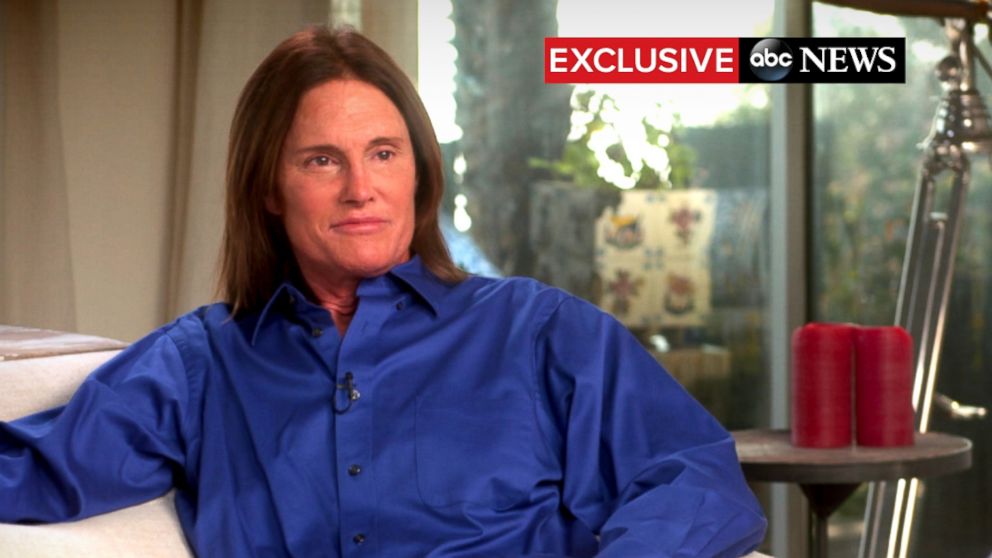
PHOTO: Bruce Jenner sat down for a far-ranging exclusive interview with ABC’s Diane Sawyer in a special edition of “20/20.”

There are two big stories involving transgender people in the news this week. The first one is Bruce Jenner's television interview with Diane Sawyer in which he comes out as a woman. Unless you have been living under a rock, you have at least heard about the interview if not seen it.

Here is just a snip of his comments:
“For all intents and purposes, I’m a woman,” Jenner told ABC’s Diane Sawyer in an exclusive interview that aired Friday in a special two-hour edition of ABC News’ “20/20.” 

“People look at me differently. They see you as this macho male, but my heart and my soul and everything that I do in life -- it is part of me,” Jenner, 65, said. “That female side is part of me. That’s who I am.”
CNN has proposed that "2015 may be remembered as the year the term "transgender" fully entered mainstream consciousness." Here is more evidence they site (correctly) that suggests America is having a transgender awakening:
In January, President Obama condemned the persecution of "people who are lesbian, gay, bisexual or transgender," becoming the first president to utter the word in a State of the Union address.

"Transparent," about an aging father who begins living as a woman, won two top awards at the Golden Globes, while transgender actress Laverne Cox of "Orange is the New Black" -- who made the cover of Time magazine last year -- was just cast in a new CBS drama

The May issue of Vogue has a photo spread with transgender model Andreja Pejic, who said on Instagram this week that she "was told by various people many times over that the chances of me ending up on these pages were slim to none." A transgender character had a recurring storyline on the just-wrapped final season of "Glee," while transgender activist and YouTube star Jazz Jennings will star in a reality show debuting on TLC this summer.

transgender model Andreja Pejic

The second big news story, which is a far second to the Bruce Jenner story, a (wo)man once considered the best athlete on the planet after he won the 1976 Olympic gold medal in the Decathlon, is that a trans man, Aydian Dowling, is the leading vote-getter to appear on the cover of Men's Health Magazine.


As USA Today notes, he is not assured of being on the cover simply by winning the reader's vote:
While Dowling is clearly in the lead with reader votes (he's ahead by more than 30,000) it doesn't necessarily mean his image will grace the cover.

Judges for the annual contest, now in its second year, select a winner from entries based on a number of criteria including fitness, professional success, healthy lifestyle and how much they give back to their community. The public votes make up 10% of the final ranking, according to the contest rules.
Still, it would be a huge step for transgender acceptance and equality if he were given the cover, and no matter what less welcoming readers of Men's Health might think, this would likely be one of the best selling issues of all time. That may be all it takes to get Aydian Dowling on the cover.

These two stories, plus the trans model in Vogue (even if her image reinforces the dominant image of female beauty, and does not represent the majority of trans women), the success of Transparent on Amazon Prime, and the success of transgender actress Laverne Cox of Orange is the New Black, all signify a transgender awakening in America.

It's time. 

For more, see CNN's America's Transgender Moment.

Saturday, November 1, 2014

Movember To Support Men's Mental Health (in addition to prostate and testicular cancers)

http://media-cache-ak0.pinimg.com/236x/2d/f3/b8/2df3b86aa54b411b93397e3867553a26.jpg

Okay, first an admission, I wrongly believed that Movember was beard growing, not just mustaches. But that is because I confused it with another men's health meme, part of the same Movember fund-raising effort, No Shave November. There's also Novembeard.

If you can grow it, let it grow! It's for a good cause (or causes).

Movember To Support Men's Mental Health

Trending News: There's A New Reason To Grow A 'Mo' This Movember


© Getty


Joel Balsam | November 1, 2014

Why Is This Important?

Because too many men suffer from mental illness and they could use a helping hand.

Long Story Short

This year, donations from guys who grow out their ‘stache for Movember will go towards fundraising and raising awareness about male mental health in addition to prostate and testicular cancers.

Long Story

The hairy truth is that too many men suffer from mental illness. According to data released on Movember’s website, a total of 38,364 Americans died by suicide in 2010 and over three quarters of them (79%) were men.

To make matters worse, men aren’t talking about it. According to researchers in the UK, almost a third of men are too embarrassed to seek help for a mental problem and less than a quarter talk to their doctor if they felt down for more than two weeks in comparison to a third of women.

Justin Coughlan, the Australian co-founder of Movember told the BBC that this is a huge issue men need to combat. “It’s the last piece of the puzzle,” he said. “It’s just so big and there’s such a need for it.”

For the 11 years since it began in 2003, the month-long campaign has asked men to grow out their moustaches for charity and awareness about prostate cancer and then testicular cancer. This year, men’s mental illness will be added to the list.

It’s hard to think of too many other annual charity campaigns that have caught on as well as Movember. Every year, millions of “Mos” can be found on street corners and in offices worldwide and the charity’s success is undeniable. Well over four million Mo Bros and Mo Sistas have registered to fundraise since the charity began and $559 million has been raised. Immeasurable is the amount of conversations people have had about men’s mental health and in the case of prostate cancer, how many have gotten checked. According to Movember, 75% of those who participate were more aware of the health risks they face and 50% told someone they should take action to improve their health.

If you haven’t done Movember before, all you need to do is have a fresh shave at the beginning of the month (you’re a little late, but today will do) and sign up for an account. Then, try and get funds to support your Mo and talk about men’s health. Easy peasy.

The stigma about mental illness, especially for men is something that absolutely needs to go, and if Movember can help take it down it will be doing a great service to men everywhere.

Own The Conversation

  • Ask The Big Question: Will you be growing your mustache out for Movember this year?
  • Disrupt Your Feed: Are there more worthy causes that Movember could be supporting?
  • Drop This Fact: Around 15 million American adults are diagnosed with depression each year.
Expand Your Expertise
  • Movember founder: Men can end up 'mentally broken' [BBC]
  • A Spectator's Guide to Movember and No Shave November [Boston.com]
More Conversation Ammo On AskMen

Sunday, October 12, 2014

Men's Health - The Best & Worst Cities for Men

This list is from December of 2013, but I just found it. Tucson ranks 51, pretty much mediocre. Makes me miss Seattle more than I often do.

The Best & Worst Cities for Men


In 2008, the men of Seattle suffered a historic loss: their NBA Supersonics traveled 2,000 miles to Oklahoma City and turned into the Thunder along the way. To this day, every time Kevin Durant puts up SportsCenter numbers, you can practically hear an entire city of guys smacking their foreheads.
Well, here's a stat that should finally ease the pain: This year, Seattle executed a slam dunk over 99 other cities to take the title of American's Best City for Men. And OKC? A not-exactly-thunderous 87th place. We considered 33 criteria, covering health, fitness, and quality of life. After hours of Excel acrobatics, we had our list of all-star cities—and those that need to raise their game.

The 10 Best

1. Seattle, WA
2. Madison, WI
3. San Jose, CA
4. Raleigh, NC
5. Minneapolis, MN
6. Plano, TX
7. Austin, TX
8. Burlington, VT
9. St. Paul, MN
10. San Francisco, CA


11. Boise City, ID
12. Anaheim, CA
13. Aurora, CO
14. San Diego, CA
15. Fargo, ND
16. Boston, MA
17. Portland, OR
18. Salt Lake City, UT
19. Charlotte, NC
20. Oakland, CA


21. Durham, NC
22. Portland, ME
23. Colorado Springs, CO
24. Washington, DC
25. Denver, CO
26. Anchorage, AK
27. Lincoln, NE
28. Atlanta, GA
29. Sioux Falls, SD
30. Virginia Beach, VA


31. Los Angeles, CA
32. Lexington, KY
33. Manchester, NH
34. Phoenix, AZ
35. Fort Worth, TX
36. Orlando, FL
37. Honolulu, HI
38. Sacramento, CA
39. Bridgeport, CT
40. Omaha, NE


41. Nashville, TN
42. Reno, NV
43. New York, NY
44. Chesapeake, VA
45. Jersey City, NJ
46. Greensboro, NC
47. Laredo, TX
48. Cheyenne, WY
49. Riverside, CA
50. Dallas, TX


51. Tucson, AZ
52. Billings, MT
53. Des Moines, IA
54. Tampa, FL
55. Houston, TX
56. Columbus, OH
57. Bakersfield, CA
58. Fort Wayne, IN
59. Albuquerque, NM
60. El Paso, TX


61. Winston-Salem, NC
62. San Antonio, TX
63. Corpus Christi, TX
64. Lubbock, TX
65. Wilmington, DE
66. St. Petersburg, FL
67. Buffalo, NY
68. Miami, FL
69. Providence, RI
70. Pittsburgh, PA


71. Chicago, IL
72. Newark, NJ
73. Baton Rouge, LA
74. Fresno, CA
75. Stockton, CA
76. Las Vegas, NV
77. New Orleans, LA
78. Columbia, SC
79. Jacksonville, FL
80. Cincinnati, OH


81. Little Rock, AR
82. Wichita, KS
83. Norfolk, VA
84. San Bernardino, CA
85. Milwaukee, WI
86. Kansas City, MO
87. Oklahoma City, OK
88. Indianapolis, IN
89. Baltimore, MD


The 10 Worst

90. Tulsa, OK
91. Louisville, KY
92. Jackson, MS
93. Memphis, TN
94. Birmingham, AL
95. Toledo, OH
96. Cleveland, OH
97. Charleston, WV
98. St. Louis, MO
99. Detroit, MI
100. Philadelphia, PA


METHODOLOGY:
Mortality rates for the top 5 causes of death for men, colon cancer screening rate, smoking rate, binge-drinking rate, fruit and vegetable consumption, number of poor mental health days, percentage of the population who live near a park (CDC); prostate cancer incidence (National Cancer Institute); male life expectancy, male obesity rate, percentage of men who report adequate or any physical activity (Institute for Health Metrics and Evaluation); participation in various sports (SimplyMap); urologists per 10,000 men (Urology Care Foundation); percentage of restaurants the serve fast food, percentage who have bachelor's degrees, mean travel time to work, ratio of single men to single women (U.S. Census Bureau); cost of living index (Council for Community and Economic Research); violent crime and property crime per 10,000 (FBI); two-year change in employment, unemployment rate (Bureau of Labor Statistics), five-year count of unhealthy air days (EPA), one-year percent change in house prices (Federal Housing Finance Agency)

Tuesday, December 10, 2013

Men's Health - Your Ultimate Nut Guide


Men's Health offered up this nice little overview of nuts and which nuts are good for various health issues (more accurately, the primary health benefit of each nut.

Go Nuts! Your Ultimate Nut Guide

They can save your life—so it's time to get to know these power-packed nuggets

By Rachael Schultz, November 25, 2013

Overview

Go nuts! It could save your life: People who eat a handful of nuts daily are 20 percent less likely to die than those who skip the snack, reports a new study from the Harvard School of Public Health.

In addition to lower instances of death, researchers found that people who consumed seven or more handful servings a week saw a 25 percent reduction in cardiovascular disease deaths and an 11 percent reduction in death from cancers.

“By substituting nuts for carbohydrate-rich snacks, you’re reducing your load of less healthy food,” says senior author Charles S. Fuchs, M.D., M.P.H., director of the Gastrointestinal Cancer Center at Dana-Farber Cancer Institute. A yet-to-be-determined bioactive nutrient that affects our metabolism could be at play as well, Dr. Fuchs speculates.

There’s no shortage of research showing nuts do endless good for your body. So maximize your benefits by making a weekly mix of these six nuts—and eat a handful every day, suggests Alan Aragon, M.S., Men's Health's nutrition advisor.

Hazelnuts


Best for: Cleaning up your diet
A recent study from New Zealand found that people who ate roughly two tablespoons of hazelnuts a day for 12 weeks improved their overall diet quality. Participants ate less unhealthy saturated fats and increased their intake of healthy fats—with no negative impact on the scale.

Walnuts


Best for: Your heart
While all nuts help protect your ticker, an overwhelming number of studies have held walnuts above the rest. Walnuts have been linked to reducing inflammation, lowering LDL cholesterol and triglycerides levels, and reducing your risk for cardiovascular disease. What makes this nut so special? Walnuts have the highest free and total polyphenol count, reports a 2012 study from the University of Scranton. The antioxidant binds with lipoproteins, which work to prevent plaque from building in your arteries.

Almonds


Best for: Weight loss and curbing hunger
People who included almonds in their diet lost 62 percent more weight and 56 percent more body fat than participants who skipped the snack in a study from the City of Hope National Medical Center in California. Research shows almonds are high in fiber and naturally filling. In fact, a new study from Purdue University found that people who made no sacrifices in their diet other than adding 1.5 ounces of almonds every day were less hungry and avoided weight gain.

Pistachios


Best for: Your brain
Pistachios are particularly rich in the same compound that makes red wine so healthy: resveratrol. The antioxidant has been shown to increase blood flow to the brain, but a 2010 study from Tufts University also found that it boosted cognitive function in mice. Even pistachio oil has been linked to preventing inflammation in the brain and possibly curbing damage against brain injuries, reports a 2012 Italian study.

Cashews


Best for: Strong bones
Calcium gets all the ink for keeping your bones strong, but studies have shown a deficiency in magnesium can up your risk for osteoporosis. Low levels of the mineral affect the activity and secretion of your hormones and promote inflammation, according to a new Italian study. Since cashews pack 20 percent of your recommended dietary allowance of magnesium plus a small amount of calcium, noshing can help keep your bones strong.

Pecans


Best for: Fighting disease
Pecans are a rich source of disease-fighting antioxidants—and not just compared to other nuts. The phenolic content—an antioxidant chemical found in plant molecules—of pecans is comparable to power-packed fruits like blueberries and plums. Consuming polyphenol-rich foods reduces your overall mortality risk by 30 percent, reports a new study in Journal of Nutrition.

Monday, November 4, 2013

Movember: The Bottom Line is the Top Lip (Good Men Project)

http://cdn.movember.com/uploads/files/2013/media%20room/MG581-GENMO13-BW-006-HiRes-FA-copy-downloadversion.jpg

For the past several years, November has become Movember, a month of men growing hideous mustaches (in my opinion) to raise awareness of men's health issues, specifically testicular and prostate cancer.

I cannot grow a mustache that is not simply embarrassing (looks I have just hit puberty and refuse to shave the random hairs from my upper lip), but I support any effort that can help close the nearly 3 to 1 ratio of research dollars spent on breast cancer as opposed to prostate cancer.

Movember: The Bottom Line is the Top Lip

November 1, 2013 by Whit Honea


Whit Honea is going full mustache this Movember, and he has some pretty awesome teammates.

The mustaches are coming! The mustaches are coming!

You have seen Movember everywhere. It is all over Facebook, Twitter, water cooler conversations, and your lip. People are getting their face hair on for a good cause, and despite the increase in aesthetic awkwardness that surrounds a mustache movement, it is well worth it. Why? Because it is working.

Movember exists to raise money and awareness for men’s issues, namely prostate and testicular cancers, respectively, but also mental health. Past Movembers have raised enough money that the medical community is optimistic about their progress and chance for a cure(s). But in the meantime there are good men suffering and dying all around us: sons, fathers, husbands, cousins, friends, etc., and if a scraggly line of whiskers can spare them that experience then put the razor down and get used to children screaming in your general direction.

To be fair, some men can really make it work (see Tom Selleck, Burt Reynolds, Sam Elliot, Freddie Mercury, and Captain Kangaroo), but it seems that many of us feel less than confident with nothing on but a mustache. Perhaps it is the collective weak chin of our crumbling society that makes us hesitant to embrace the mustache as men once did, but don’t worry, yours looks great.

I am part of a Movember team, which is just like any other team that I have ever been on because it involves a lot of sitting. The bench is my thinking spot. However, the beauty of this team is that the only physical activity required is pushing tiny roots of hair through every follicle on the northern border of one’s gaping pie hole. It’s so easy a child could do it.

And that’s why my boys, ages 10 and 7, are joining me in the annual growing of mustaches during this month of Movember. Take that, puberty!


How can you help?

You can follow our non-shaving adventures here or on my official Movember page, then help spread the word. Or if you would rather support the entire team, which features many of your favorite dad bloggers—a number of which have appeared here in the Dads and Families section, then feel free to donate to any one of us, I’m not greedy. We’re trying to beat cancer, not each other. There is no “screw those guys” in team.

In closing, make sure that you are taking care of yourself. If you feel that you need assistance with depression or your overall mental being don’t let the stereotypes of manhood keep you from doing what needs to be done. It takes a brave, strong man to ask for help. Also, have a doctor check your man bits:


Images: W. Honea

Monday, December 24, 2012

Androgen Depletion Therapy for Prostate Cancer May Make it Worse


Okay, guys, there is one basic rule with prostate cancer - if they want to use androgen depletion therapy (ADT) to eliminate your testosterone in the (false) belief that it will save your life, you need to find another doctor. Period. This article explains examines how ADT can actually INCREASE your risk of developing an aggressive form of the cancer.

Key point:
"Stretching our data even further, these findings suggest that as men age and their testosterone levels decrease, loss of testosterone might actually encourage indolent prostate tumors to become more aggressive," Roberts said. "This suggests that testosterone supplements might be a good thing for the prostate, even though current wisdom suggests the opposite."
If you have an aggressive form of prostate cancer, it will already have metastasized to bone by the time you receive ADT (it happens very early in the process) - and then with ADT you will lose sex drive, muscle mass, and bone density (not to mention developing cholesterol issues, depression, and potential heart disease). Once it gets into the bone, your chances of survival are lower, anyway - so why die impotent and depressed?

Another important issue is that ADT - when it works - only works for a couple of months, while the PCa is androgen-dependent. Eventually, it will become androgen-independent and things get worse form there.

The upshot of this research is that using ADT in men who are in the early stages of benign prostate hypertrophy (BPH) or high-grade prostatic intraepithelial neoplasia, a prostate abnormality that is thought to lead to prostate cancer, should not be deprived of testosterone because it raises the risk of developing a high-grade, aggressive form of the cancer - the opposite of what they intend with this treatment,

The numbers vary, but only around 10% of PCa is aggressive, and the death rate is down to around 3-6% for PCa overall (depending on whose numbers you read). Here is one set of stats, which is a little scary for guys my age (45), who entering the risk years:
Given current screening trends, it is estimated that 16.2% (1 in 6) of American men alive today will be diagnosed with the disease and approximately 3% (1 in 33) will die of the disease (Brawley 2012).
Here is the new research:

Preventing Prostate Cancer Through Androgen Deprivation May Have Harmful Effects

24 December 2012

The use of androgen deprivation therapies to prevent precancerous prostate abnormalities developing into aggressive prostate cancer may have adverse effects in men with precancers with specific genetic alterations, according to data from a preclinical study recently published in Cancer Discovery, a journal of the American Association for Cancer Research.

"The growth and survival of prostate cancer cells are very dependent on signals that the cancer cells receive from a group of hormones, called androgens, which includes testosterone," said Thomas R. Roberts, Ph.D., co-chair of the Department of Cancer Biology at the Dana-Farber Cancer Institute and professor of biological chemistry and molecular pharmacology at Harvard Medical School in Boston, Mass.

Previous findings from two major randomized, placebo-controlled prostate cancer chemoprevention trials revealed that androgen deprivation therapy reduced the overall risk for low-grade prostate cancer. However, both trials also revealed a high cumulative risk for high-grade prostate cancers that has caused concern among experts.

High-grade prostatic intraepithelial neoplasia is a prostate abnormality that is considered to be a major precursor to prostate cancer. Loss of the tumor suppressor PTEN is detected in 9 to 45 percent of clinical cases.

Using a mouse model of PTEN-driven high-grade prostatic intraepithelial neoplasia, Roberts and his colleagues investigated whether surgical or chemical androgen deprivation could prevent the cancer precursor from progressing to more aggressive disease.

"When we castrated the animals, we thought the tumors would shrink and they did initially," Roberts said. "However, they then grew back and became invasive."

The results of this preclinical study suggest that prophylactic reduction of the most active form of androgen, or blocking androgen receptor function, might have unintended consequences in some men.

"Stretching our data even further, these findings suggest that as men age and their testosterone levels decrease, loss of testosterone might actually encourage indolent prostate tumors to become more aggressive," Roberts said. "This suggests that testosterone supplements might be a good thing for the prostate, even though current wisdom suggests the opposite."

Roberts noted that these results should be interpreted with caution because the prostate glands of mice are different from their human counterparts. More data on human tumors are needed to evaluate whether the data from this mouse study are applicable to men.
Source: The American Association of Cancer Research

Citation:
Brawley, OW. (2012). "Prostate cancer epidemiology in the United States." World J Urol 30(2): 195-200.

Friday, June 8, 2012

TEDxLSE - Glen Poole - A New Gender Agenda

This sounds a lot like the MRAs in the U.S., but his agenda for men is hard to argue with.


TEDxLSE - Glen Poole - A New Gender Agenda


Glen Poole is a radical voice in the world of gender equality campaigning on issues like fathers' rights, men's health inequalities, male suicide, boys' educational underachievement, male role models and men and boys' personal safety. He first came to prominence as PR Director of Fathers 4 Justice and was described by the group's founder as "the most impressive campaigner" he'd ever met.

Glen is now the UK co-ordinator of International Men's Day and Strategic Director of The Men's Network, a dynamic social project based in Brighton and Hove that hosted the UK's First National Conference for Men and Boys in 2011.