Showing posts with label body fat. Show all posts

Monday, June 16, 2014

Exercise and Testosterone


This article comes from www.WebMD.com, May 2014.The author examines the ways that working out can help improve testosterone levels for men whose levels are not so low as to require medical intervention.

One of the points they mention, but do not explain, is that being overweight or obese can cause serious drops in T levels. This happens because fat cells both produce estrogen and have estrogen receptors, and the more estrogen one has, the less effective one's testosterone will be in relation.

If you want to serious improve your overall hormone levels, lose the bodyfat - do not accept it when doctors tell you 18% is healthy - it's borderline obese. And don't trust body mass index (BMI) to be a good indicator, either. You can have a BMI of 24-25 and still have 20% bodyfat.

For most men who are not athletes or competing in strength events, 12-15% bodfat is a good goal. 

One other point - the author mentions that weight training provides more return on investment for increasing T levels, but he didn't mention that long sessions of steady-state cardio can actually increase estrogen levels and reduce T levels. The best evidence of this is that endurance athletes, such as professional cyclists, are 20-50% below normal in their T levels during a 3-week race such as the Tour de France.

Does Working Out Affect Testosterone Levels?

By Eric Metcalf, MPH
WebMD Feature
Reviewed by Brunilda Nazario, MD

If you’re a man with low testosterone, exercise may help.

Doctors and fitness professionals still have a lot to learn about exercise and its effects on testosterone. Several factors besides your workout are involved.

But one thing is clear: You need to make exercise a habit in order to get the benefits.
After exercise, testosterone levels rise -- but not for long.  

"Sometimes it’s 15 minutes after exercise that testosterone is elevated. Sometimes it can be up to an hour,” says Todd Schroeder, PhD, who studies exercise and hormones in older men at the University of Southern California.

It's not yet clear what health effects, if any, these temporary boosts may have. Of course, exercise has many other well-known health perks.

For men who have low testosterone, exercise alone probably won’t raise their levels enough to make a difference in how they feel, says endocrinologist Scott Isaacs, MD, of Emory University. But he says for men whose testosterone level is on the borderline between normal and low, “I think it’s going to have a much more potent effect.”

4 Factors That Matter

Your weight, age, fitness level, and the timing of your workout all matter.
1. Your weight: Isaacs treats men with low testosterone. He sees obesity as a big part of the problem. If you’re overweight, exercise can improve your testosterone levels by helping you shed pounds, says Isaacs, the author of Hormonal Balance: How to Lose Weight By Understanding Your Hormones and Metabolism.

2. Your age: Older men seem to get less of a post-exercise boost in testosterone, Schroeder says -- though this needs more research. Still, exercise offers many other health benefits for older men, including bone and muscle health and better balance.

3. When you exercise: Your testosterone levels vary throughout the day. Levels are typically highest in the morning and lowest in the afternoon. Research has found that strength-training workouts may have a bigger effect on testosterone in the evening. As a result, the brief boost from your exercise session might be even bigger if you schedule it after work instead of early in the morning, Isaacs says.

4. Your fitness level: Not in great shape? If you start exercising, you maybe get a bigger, though still brief, boost in testosterone than a man who's already in good shape. But after a few weeks, your body gets used to the challenge. Eventually, you'll get a lower hormone response from the same workout, Schroeder says. 

All Types of Exercise Count

Endurance training and resistance training (such as weight lifting) both boost testosterone levels briefly, Schroeder says.

Lifting weights or doing other strength-training workouts has a bigger effect on your testosterone, Schroeder says. He says the following strategies will give you an even bigger boost in testosterone from your strength training workouts, which is backed up by research. 
  • Use more muscles. (For instance, a full-body workout affects this hormone more than doing one exercise, such as biceps curls.)
  • Lift heavier weights rather than doing many reps of light weights.
  • Have shorter rest periods during your workout.
Still, you should build an overall exercise plan that also includes cardio and flexibility training, so you're helping your overall health.

Overdoing it, though, could backfire. Elite athletes (and amateurs who overtrain), can see a drop their testosterone level, which is a sign that they’re doing harm to their bodies. In these cases, they tend to have low testosterone and high cortisol, a stress hormone, Schroeder says. He notes that a rise in cortisol can be linked to a fall in testosterone. 
Signs of overtraining include:
  • Excessive soreness
  • Trouble recovering from workouts
  • Trouble sleeping
  • Losses in performance and strength
Give yourself enough time to rest between workouts, and eat healthfully to help your body recover after workouts.

Isaacs discloses that he is on the speaker’s bureau for Abbott Laboratories, which markets a testosterone replacement product. Schroeder reports no disclosures.

Friday, May 9, 2014

Fitness Friday - Fitness News and Information You Can Use

It's Friday, so it's time for another Fitness Friday post. There is a lot of good stuff this week, so pour some coffee, shut your office door, and get ready to be educated from some of the best minds in strength and fitness.

To begin, here are three articles from T-Nation - ridding ourselves of stubborn body fat, the problems with exercise science programs in most universities, and deadlifting 101, from a guy with an 800+ lb deadlift.

How to Burn Stubborn Body Fat

by Dr. Jade Teta
5.6.2014


Here's what you need to know...
  • Spot reduction can occur, but on a very small scale. Attacking stubborn fat and spot reduction are two different things.
  • Stubborn fat is physiologically different than other fat. It has a high density of alpha-receptors compared to betas, is more insulin sensitive, and receives less blood flow than less stubborn fat.
  • Dieting by eating less and exercising more is by far one of the major blocks to permanent change. Supplements such as green tea extract, forskolin, and yohimbine HCL can help with stubborn body fat, once you get your diet in order.
The other day I was perusing some popular health and fitness pages on Facebook . One discussion was from a person asking a question about "targeting stubborn fat". The page administrator answered the question this way: "You can't target certain areas of the body. It's simply impossible. The body burns fat from all over. Spot reduction has been proven a myth."

And the truth is? The page administrator is wrong on both accounts. First, you can certainly target stubborn fat, and spot reduction has been proven to occur.

* * * * *

The Problem with "Exercise Science"

by Mark Rippetoe
5.5.2014


Here's what you need to know...
  • Most university-level programs do not equip their graduates to function beyond the commercial gym pin-setter level.
  • Barbell training, the most basic and effective method for improving strength and conditioning, is either not taught in most programs or so poorly taught that it leaves students unable to get real results with their clients and athletes.
  • Many studies that make it into the hallowed "Literature" draw conclusions based on unrealistic, silly methodology and puny weights. It's clear the "exercise scientists" conducting these studies do not use barbells beyond a novice level, if at all.
  • To get a real education, study a "hard" science, plan for much self-education, compete in your field of interest, and coach lots of other people... for years on end.
I talk to lots of kids who are interested in becoming strength coaches. I get e-mail about this every week, and we talk about it with people who attend our seminars every month. Most are in school for an "Exercise Science" degree, at either the graduate or Masters level. I have two important observations:

1. The university-level programs are so uniformly bad that everyone who comes prepared to pass our barbell training and coaching course has done the preparation themselves, with no help whatsoever from their coursework at school. As far as I know, there are so few college-level programs that actually equip their graduates to function beyond the commercial gym pin-setter level that I cannot tell you the name of a single school that does the job adequately.

2. These people come to our Level II seminar, and the most frequent comment from them is something to the effect that "I learned more in your 25-hour course than I learned in the past 4 years of my Exercise Science program at [name any university].
Thank you THIS much [stretches arms wide and hugs me]." I understand that people don't go to college to learn how to lift weights. I know that Brooks and Fahey must be read and understood, that some approach to understanding cardiopulmonary topics must be taught, and that testing and measurements are sometimes important if quantification is necessary for the Physical Therapists.


But I also know that any college-level program that calls itself "Exercise Science" or "Biomechanics" or "Exercise Physiology" or any other trendy permutation of PE should at least prepare the student to function in a situation where the coursework can be applied in a real-world scenario, beyond what would be expected of a self-taught trainer in a gym, and that this is the expectation of the student who enrolls there. Most of these people graduate from the typical PE program quite literally unequipped to show a client the most basic weight room exercises and, more importantly, completely unable to put this client on an effectively-designed program that improves physical capacity over the longer term. The ones who can have learned how on their own.

* * * * *

Heavy Deadlifting 101

Tips from an 810 Pound Deadlifter by Matt Kroc
05/02/14


Here's what you need to know...
  • With deadlifting, you don't need fancy techniques like drop sets, super sets, rest/pause, etc. Keep training simple with rep ranges of 1-10 reps.
  • Smaller, thinner lifters tend to typically perform better with the Sumo style while larger, thicker lifters tend to be stronger in the conventional style.
  • Conventional deadlifting is preferential for bodybuilders, has a greater carryover to everyday movements outside the gym, and is more applicable to increasing performance in other sports.
  • It's important at the beginning of the lift to move the bar away from the floor as fast and as explosively as possible as the momentum gained from this will aid greatly in completing the lift.
  • If the bar moves in towards you as it leaves the floor, then you're setting up too far away from the bar. Conversely, if the bar moves out away from you, you're setting up too close to the bar.
Deadlifting is the base upon which all real back strength is built. There's not a more raw or true to life exercise. You bend over and pick up something heavy. That's it. However, the deadlift's simplicity is also the reason it's so effective. It stresses every major muscle group in your posterior chain, but none more so than your back. It works your back from the base of your erectors to the top of your traps and everything in between.

You can always spot a guy with a big deadlift. He has powerful, yoked traps and a back thickness that you can't obtain any other way. Ronnie Coleman and Johnnie Jackson possess two of the thickest and most powerful looking backs to ever step foot on a bodybuilding stage and it's no coincidence that they're both capable of deadlifting in excess of 800 pounds.
* * * * *

From Eric Cressey's blog, a brief video on understanding and managing joint hypermobility.

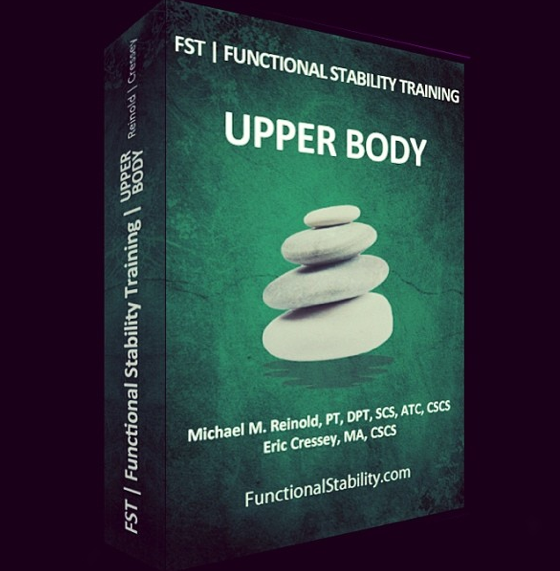
Functional Stability Training of the Upper Body: Why Do You Feel “Tight?”

Written on May 6, 2014, by Eric Cressey

Next week, Mike Reinold and I will release our newest resource, Functional Stability Training of the Upper Body. We're super excited to introduce the third installment of our popular series, and thought you might like a little teaser of what to expect. Here is an excerpt from one of my webinars, "Understanding and Managing Joint Hypermobility:"


Keep an eye out early next week for the release of this resource!


* * * * *

From Tony Gentilcore's blog, an article on the joys of the goblet squat, and an intensity adaptation he calls "goblet elevator squats" - looks brutal, which means I will need to try this soon.

Exercises You Should Be Doing: Goblet Elevator Squats 

As far as “fool proof” exercises are concerned, you’d be hard pressed to do much better than Goblet squats.
I’d toss in an obligatory “it’s so easy a cave man can do it” joke here, but, well, shit, I just did.
Time and time again I’ve seen someone with some of the worst squatting technique you can imagine (Think: knee valgus, rounded back, my corneas perpetually bleeding), only to see them squatting flawlessly in a matter of minutes when coaching them up on the Goblet squat.
Likewise, almost always, whenever someone complains about how much “squatting hurts my knees,” I can get them performing them pain-free with a little cueing and attention to detail.
I like to call it “pulling a Dumbledore,” because it’s borderline magical in their eyes.
It makes complete sense when you think about though.


- Give them an anterior load to force them engage their core musculature more efficiently and to provide more stability.

- Cue them to SIT BACK (keeping their feet flat, however placing the brunt of their weight into their heels), while simultaneously pushing their knees out (t0 open up the hips).


- And then teach them to “finish” with their glutes at the top, and not only do they see drastic improvements in their technique (and depth), but it feels effortless and less painful.
That said, even though the natural progression is to (eventually) move towards barbell variations, sometimes it’s advantageous to stick with Goblet squats in the interim and make them more “challenging.”

* * * * *

And finally, from Breaking Muscle, a look at the back squat vs. the overhead squat.

Science Compares the Back Squat to the Overhead Squat

Doug Dupont: Contributor - Health and Fitness News

The overhead squat doesn’t get enough attention in some circles and may be overemphasized in others. Some people consider it inferior to bigger lifts like the back squat, whereas others emphasize its advantages as a superior core exercise. A recent study in the Journal of Strength and Conditioning Research addressed this controversy.

In the study, researchers took a group of rugby players who were experienced lifters and had them perform back squats and overhead squats at 60%, 75%, and 90% of their three-rep max. Their squats were studied by electromyography (EMG) in order to analyze the amount of activity in their muscles. The researchers focused on trunk and lower body muscles, but also looked at the anterior delts.

Technically speaking, the overhead squat outperformed the back squat for the anterior trunk muscles, as measured by the EMG activity of the rectus abdominis and the external oblique. However, the authors of the study were quick to note that the differences were a small, albeit significant, 2%-7% difference. Due to the small percentage, they concluded that the claims of superiority of the overhead squat for trunk musculature are therefore false.

However, let me play devil’s advocate for a minute here. First, up to a seven-percent improvement is not to be discounted. That’s a big difference when it adds up over time. Second, experience level with the overhead squat is a big factor. Few people are as practiced with it as they are with a back squat, which can affect results like this. Third, overhead squat loads were smaller. This study focused mostly on relative weight, meaning the percentage of one rep max, so the back squat loads were higher. When they compared pound for pound, the overhead squat had higher EMG activity in every muscle except the gluteus maximus, and only during the concentric phase.

Back squats, on the other hand, can be lifted with greater loads. While the overhead squat may be better for the anterior trunk, the study found the back squat was better for every other lower body and trunk muscle when compared at relative loads rather than absolute. The only other muscles they tested were the anterior delts which, not surprisingly, were hit much harder on the overhead squat.

The researchers also compared both squats to traditional core moves like sit ups and planks. The rectus abdominis and the external obliques both showed much greater activity from the core moves. By contrast, both kinds of squats hit the erector spinae much harder.

Thursday, November 21, 2013

TC Luoma - Burn Fat, Build Muscle With Forskolin (T-Nation)

This supplement has been on the market for a few years now, but it is one I have not tested for its efficacy in my own body. However, in the years since it has hit the market, there has been some promising research with human subjects that demonstrates increased muscle mass, decreased body fat, and higher free and total testosterone.

Sounds good.

T-Nation's supplement side, called Biotest, introduced one of the first high potency and biologically available versions of this supplement (priced correspondingly higher than other products). However, the studies have all used 250 mg of a 10% extract, with no sophisticated delivery systems. I have included some of the abstracts mentioned in the references section at the bottom of the post.

Biotest makes good products, but it's worth trying the cheaper versions if you feel so inclined.

Burn Fat, Build Muscle With Forskolin

by TC | T-Nation  


Here's what you need to know...
Forskolin's thyroid stimulating strength has been compared to thyrotropin or TSH.
• Forskolin caused male subjects in a 12-week trial to experience a 16.77% increase in total Testosterone.
• Forskolin increases the metabolism, burns fat, breaks down triglycerides, and increases lean body mass.
The boss at my last job used to keep a box of discarded supplements next to his desk. They were things people had sent us to try. Most of the time we'd take a look at the ingredients, roll our eyes, and then shoot them into the box with a fade-away jumper.

But the contents of that box fascinated the head of the advertising department. He must have been was one of those "one man's garbage is another man's treasure" guys at heart, because he'd rifle through the box like an adolescent looking for the one-eyed Teddy Bear he wasn't quite ready to give up.

He liked experimenting with a good number of those throwaway supplements, so much so that we joked about how we'd have to bury his green, glowing liver in a toxic waste repository after he died.

One day, though, he came in holding up his latest and greatest find from the box. It was a relatively small, white, plastic bottle from England. "Hey, what the hell is in this stuff?" he said. "I put on 10 pounds in the last 3 weeks and my strength has gone through the roof!"

This was the first time we'd heard him use those kinds of cliches, so one of the other guys in the boss' inner circle felt compelled to try the mysterious supplement, too. A couple of weeks later, he reported more or less the same effects.

That's when we started to look into the supplement. It was called creatine monohydrate. The company I worked for was EAS and they became the first U.S. company to aggressively market creatine, and the number of people willing to fork over 70-plus dollars for a tiny bottle that today would sell for a couple of bucks became the stuff of supplement-company legend.

Creatine is a good part of the reason why nowadays you can't swing a hypertrophied dead cat without hitting the head of an owner of a supplement company. Many of them wanted to recreate that success story, but in a lesson they should have learned from any one of a number of gold rushes in the 19th century, gold ain't that easy to find in them-there hills.

Is There More Gold in the Box?


There's no one alive, I presume, that continually uses every supplement at the same time, let alone every Biotest supplement at the same time, and I'm certainly no exception.

But every so often, I start using a Biotest supplement that I haven't, for whatever reason, used for awhile. In that sense, I'm sort of like that EAS employee who kept digging in that box. Now I know what you're thinking. You're assuming I've found something magical in our supplement line, something like the next creatine.

Well, you'd be mostly right. I have "re-discovered" something really interesting, and now that I'm using it once more and enjoying its effects, I've begun digging into the research again and frankly, I can't figure out why this product didn't cause more of a creatine-like frenzy. By all reason, it should become a staple in everyone's supplement arsenal because it's really, really, cool.

Enter, or should I say, re-enter, forskolin, a supplement that raises thyroid hormone levels and Testosterone levels. The increased levels of those two hormones naturally lead to an increase in fat burning and lean body mass, but forskolin is blessed with other fat burning and muscle building properties, too (explained later on in this article).

And I'm not just offering rat studies as proof, either. There have been a number of research studies conducted with real live, honest-to-goodness fat people. Here's a rapid-fire compendium of results from just a few studies on forskolin:

• Male subjects in a 12-week trial experienced a 16.77 +/-33.77% increase in total Testosterone compared with a 1.08 +/- 18.35% decrease in the placebo group.
• Female subjects in an 8-week study lost a mean of 9.17 pounds weight, while experiencing gains in lean body mass (without weight training).
• The total body weight of a mixed group of men and women in a 12-week study decreased from 74.7 kilograms to 73.5 kilograms while experiencing increases in lean body mass (without weight training).
• The forskolin users in a mixed-sex group of 50 test subjects experienced a 1.78 percent increase in lean body mass (compared with a 0.20 decrease in the placebo group) and a decrease in mean body fat from 35.8 to 34.0 percent (while the placebo group showed an increase from 38.8 to 39.0 percent).
And there are lots of other studies, too, all pretty impressive.


Increased Thyroid Hormone Production and Increased Testosterone Production 


Forskolin is a compound derived from the herb, Coleus forskohlii, and it stimulates an enzyme called adenylate cyclase, which increases cellular concentrations of a cellular messenger called cyclic AMP, or cAMP.

Now cAMP is one versatile little bugger in that it interacts with a host of different types of cells. When you raise levels of cAMP, you lower blood pressure, reduce intraocular (eye) pressure, inhibit platelet aggregations (clotting), promote vasodilation (opening up of blood vessels), increase bronchodilation (improved breathing), and, most importantly to us, increase thyroid hormone secretion and speed up lipolysis (fat burning).

Forskolin's thyroid stimulating strength has even been compared to thyrotropin or TSH, which is pretty damn impressive. Not only does this increased thyroid hormone production increase fat loss, but increased levels of cAMP activate something called protein kinase that's been shown to activate hormone-sensitive lipases, which are involved in the breakdown of the building blocks of fatty tissue known as triglycerides.

Furthermore, forskolin has a nifty little trait of improving the fat-burning ability of any other fat burning ingredients you might be taking, which is why it's included in Biotest's popular fat burner.

In addition to breaking down and burning fat, forskolin also increases lean body mass. A higher level of intra-testicular cAMP mimics the action of luteinizing hormone and that translates to an increase in Testosterone production, which as you know is a pretty nice thing to have if you want more muscle.

This increase in Testosterone levels of course contributes to additional lean body mass, but higher levels of cAMP in skeletal muscle also leads to an increase in protein synthesis (which is amplified by the complimentary increase in Testosterone), so you get a nice two-pronged mode of action.

Let me spell it out for you. If you use forskolin to increase levels of cAMP, you end up mimicking the effects of mild calorie restriction and exercise, without actually reducing calories or even exercising, and it does this without making you all jumpy and sweaty-palmed like a lot of compounds that burn fat. Of course, if you add some actual, bonafide exercise to the picture, you naturally get much more impressive results.

So Why Isn't Everybody in the World Using Forskolin?


I suspect that conventional forskolin supplements, i.e., those made with ground up parts of the plant, suffer from the same triad of problems affecting most herbal supplements: standardization, potency, and absorption.

In short, plant products usually face the same challenges as plants themselves. I'm sure you've experienced having a great-tasting tomato, only to follow it up with a tomato that's only fit to be hurled at the neighbor who runs a leaf blower at 7 AM on a Saturday.

If something like taste varies so greatly, you can easily see how levels and potency of different plant chemicals can vary from crop to crop and even plant to plant. One bottle of an herbal supplement might work well, but the next may only be fit to be shot into a refuse box. I think that's the reason forskolin hasn't caught on in the bodybuilding or fat loss world.

What you need to do to get an effective product is to extract and purify the active ingredient, in this case, forskolin 1,9-carbonate (the compound is a "carbonate ester" of forskolin). Then you get a highly pure, single compound that gives powerful, consistent results. Furthermore, by extracting and purifying the active ingredients, you extend forskolin's duration of action from 4 hours to 12 hours.

Lastly, if you've got the technology, you combine forskolin 1,9-carbonate with a self-microemulsifying nutrient delivery system, which improves the bioavailability considerably. That way, you make sure that you actually do get an increase in Testosterone and thyroid hormone, along with the fat burning and muscle building effects you're looking for.

No Fade-Away Jumper for Forskolin, 1-9 Carbonate


Forskolin, 1,9-carbonate shouldn't be compared to creatine. Creatine puts on body weight really, really fast. Granted, most of it is water weight, but no one can deny its effects. Carbolin-19's effects are much more subtle, but over the long run, equally impressive.


References


Godard, et al., Body composition and hormonal adaptations associated with forskolin consumption in overweight and obese males, Obesity Research, 2005 Aug;13(8):1335-43.

Majeed, et al., Diterpene forskolin: A possible new compound for reduction of body weight by increasing lean body mass, Nutraceuticals, March/April 2002, pp. 6 - 7.

Tsuguyoshi, Clinical report on root extract of Perilla Plant (coleus forskholii) in reducing body fat, Asanto Institute, Tokyo, Japan, 2001.

Kamath, Efficacy and Safety of Forslean in Increasing Lean Body Mass, Department of Ayurvedic Medicine, Kasturba Medical College, Manipal, India, 2005.

Luoma, TC, Luoma's Big Damn Book of Knowledge, Leningrad State Publishing House, Leningrad, 13th edition, 2013.
* * * * *

Body Composition and Hormonal Adaptations Associated with Forskolin Consumption in Overweight and Obese Men


Michael P. Godard, Brad A. Johnson, Scott R. Richmond
Obes Res. 2005;13:1335–1343


Abstract


Objective: This study examined the effect of forskolin on body composition, testosterone, metabolic rate, and blood pressure in overweight and obese (BMI ≥ 26 kg/m2) men.

Research Methods and Procedure: Thirty subjects (forskolin, n = 15; placebo, n = 15) were studied in a randomized, double-blind, placebo-controlled study for 12 weeks.

Results: Forskolin was shown to elicit favorable changes in body composition by significantly decreasing body fat percentage (BF%) and fat mass (FM) as determined by DXA compared with the placebo group (p ≤ 0.05). Additionally, forskolin administration resulted in a change in bone mass for the 12-week trial compared with the placebo group (p ≤ 0.05). There was a trend toward a significant increase for lean body mass in the forskolin group compared with the placebo group (p = 0.097). Serum free testosterone levels were significantly increased in the forskolin group compared with the placebo group (p ≤ 0.05). The actual change in serum total testosterone concentration was not significantly different among groups, but it increased 16.77 ± 33.77% in the forskolin group compared with a decrease of 1.08 ± 18.35% in the placebo group.

Discussion: Oral ingestion of forskolin (250 mg of 10% forskolin extract twice a day) for a 12-week period was shown to favorably alter body composition while concurrently increasing bone mass and serum free testosterone levels in overweight and obese men. The results indicate that forskolin is a possible therapeutic agent for the management and treatment of obesity.

[Full text is available online at the link above.]

* * * * *


A Coleus forskohlii extract improves body composition in healthy volunteers: An open-label trial

Seika Kamohara, Somboon Noparatanawong
Personalized Medicine Universe; Volume 2, July 2013, Pages 25–27  

Abstract


Purpose: Coleus forskohlii (CF) is a south Asian herb that has been historically used in Ayurvedic medicine. The root of CF contains forskolin, a biologically active compound that has been demonstrated to improve well-being in some individuals by promoting lean body mass and supporting healthy metabolic function. We conducted an open-label study to evaluate the efficacy of CF root extract for weight management.

Methods: After obtaining informed consent, 15 healthy volunteers participated in an 8-week open-label study. The subjects received 500 mg of CF extract (10% forskolin) twice a day with their meals. Body composition measurements were conducted using a bioelectric impedance analyzer once each week. Body weight (kg), fat content (kg), lean body mass (kg), and basal metabolic rate (kcal/day) were also measured and documented.

Results: Of the 15 subjects, 12 (mean age 32.2 ± 2.3 years) completed the study. Significant decreases compared with baseline were observed after 8 weeks for body mass index (BMI) (24.92 ± 0.87 to 23.99 ± 0.86 kg/m2, p = 0.0038), body weight (66.33 ± 3.00 to 63.96 ± 3.10 kg, p = 0.0038), fat content (29.64 ± 2.19 to 27.77 ± 2.27 kg, p = 0.0038), lean body mass (44.34 ± 2.98 to 43.93 ± 3.01 kg, p = 0.0044) and basal metabolic rate (1379.1 ± 74.4 to 1363.9 ± 77.5 kcal, p = 0.0254).

Conclusion: These findings suggest that CF root extract has potential as an adjunct therapy for the treatment of obesity. Further studies using double-blind, randomized, placebo-controlled designs are warranted to conclusively demonstrate the effectiveness of CF root extract in personalized supplements and/or pharmacological interventions.

Tuesday, June 18, 2013

Obesity Leads to Brain Inflammation, and Low Testosterone Makes It Worse


This is some seriously bad news for American men, 66% of whom are overweight or obese. One of the most debilitating side effects of obesity is that fats cells create estrogen - the more fat cells, and the bigger the fat cells, the more estrogen in the body. It gets worse, fat cells also support high levels of aromatase, an enzyme that converts testosterone to estrogen. More fat, less testosterone due to the aromatization of testosterone into estrogen .

High fat levels (through increases in estrogen due to aromatase conversion) reduce testosterone, which has its own downside: depression, loss of libido, muscle wasting, bone density loss, heart attacks and other cardiovascular issues, and higher risk of early death.

The evidence has been building for years that many neurodegenerative disorders, such as Alzheimer's Disease and other forms of dementia are linked to neuroinflammation (see this article). More recent evidence is showing that inflammation may play a crucial role in depression, schizophrenia, and bipolar disorder.

A 2012 article (Maintaining Brain Health by Monitoring Inflammatory Processes: a Mechanism to Promote Successful Aging) in Aging and Disease looked at how inflammation contributes to mental decline, as well as structural and metabolic dysfunctions. The article is freely available at the link above.
Abstract 
Maintaining brain health promotes successful aging. The main determinants of brain health are the preservation of cognitive function and remaining free from structural and metabolic abnormalities, including loss of neuronal synapses, atrophy, small vessel disease and focal amyloid deposits visible by neuroimaging. Promising studies indicate that these determinants are to some extent modifiable, even among adults seventy years and older. Converging animal and human evidence further suggests that inflammation is a shared mechanism, contributing to both cognitive decline and abnormalities in brain structure and metabolism. Thus, inflammation may provide a target for intervention. Specifically, circulating inflammatory markers have been associated with declines in cognitive function and worsening of brain structural and metabolic characteristics. Additionally, it has been proposed that older brains are characterized by a sensitization to neuroinflammatory responses, even in the absence of overt disease. This increased propensity to central inflammation may contribute to poor brain health and premature brain aging. Still unknown is whether and how peripheral inflammatory factors directly contribute to decline of brain health. Human research is limited by the challenges of directly measuring neuroinflammation in vivo. This review assesses the role that inflammation may play in the brain changes that often accompany aging, focusing on relationships between peripheral inflammatory markers and brain health among well-functioning, community-dwelling adults seventy years and older. We propose that monitoring and maintaining lower levels of systemic and central inflammation among older adults could help preserve brain health and support successful aging. Hence, we also identify plausible ways and novel experimental study designs of maintaining brain health late in age through interventions that target the immune system.
Full Citation:
Rosano, C, Marsland, AL, and Gianaros, PJ. (2012, Feb). Maintaining Brain Health by Monitoring Inflammatory Processes: a Mechanism to Promote Successful Aging. Aging and Disease; 3(1): 16–33. PMCID: PMC3320802


Two easy ways to control and reduce inflammation are an anti-inflammatory diet and regular exercise. Over at Integral Options Cafe, I posted information this morning on foods and supplements that reduce inflammation.

Here is the press release:

Obesity Leads to Brain Inflammation, and Low Testosterone Makes It Worse


June 17, 2013 — Low testosterone worsens the harmful effects of obesity in the nervous system, a new study in mice finds.

The results will be presented Monday at The Endocrine Society's 95th Annual Meeting in San Francisco.

"Low testosterone and obesity are common in aging men, and each is associated with type 2 diabetes and Alzheimer's disease," said the study's lead investigator, Anusha Jayaraman, PhD, of the University of Southern California in Los Angeles. "Our new findings demonstrate that obesity and low testosterone combine to not only increase the risk of diabetes but also damage the brain."

The study -- which was conducted in the laboratory of Christian J. Pike, PhD, Professor in the Davis School of Gerontology at USC and funded by the National Institutes of Health's National Institute on Aging -- consisted of three groups of male mice that received a high-fat diet (60 percent of calories were from fat) to induce obesity. Each group had eight mice and varied by testosterone status. One group had normal testosterone levels, and the second group underwent surgical removal of the testes so that the mice had low testosterone levels. The third group also underwent castration but then received testosterone treatment through a capsule implanted beneath the skin.

The high-fat diet, Jayaraman reported, resulted in obesity and evidence of diabetes -- abnormally high blood glucose (sugar) levels and poor glucose tolerance, which is the ability to clear glucose from the bloodstream. Compared with the group that had normal testosterone levels, the testosterone-deficient mice had more body fat, higher blood sugar levels and poorer glucose tolerance, she said.

After blood testing, brain tissues from the mice underwent analysis for changes. The brains of obese mice showed substantial inflammation and were less able to support nerve cell growth and survival, according to Jayaraman. These damaging effects of diet-induced obesity were significantly worse in mice with low testosterone, she said, adding that control groups of mice fed a normal diet did not show these changes.

"Our findings suggest that low testosterone and obesity interact to regulate inflammation of the nervous system, which may increase the risk of disorders such as type 2 diabetes and Alzheimer's disease," she said.

Because many of the negative outcomes of the high-fat diet were eased in the group of mice that received testosterone therapy, Jayaraman said that "testosterone treatment may be useful in reducing the harmful effects of obesity and low testosterone on the nervous system."

Saturday, April 27, 2013

Exercise Harder, Not Longer (Men's Journal)


If you want to lower your triglyceride levels (a marker for increasing fat storage), interval exercise does a better job at this task than does steady-state exercise. Some of the best forms of HIIT (high-intensity interval training) are running stadiums, sprints, and jumps, but you can also utilize most cardio machines, such as spin bikes, rowers (the two best, imo), and elipticals.


Full Citation:
Trombold JR, Christmas KM, Machin DR, Kim I-Y, and Coyle EF. (2013, Mar 15). Acute High-Intensity Endurance Exercise is More Effective than Moderate-Intensity Exercise for Attenuation of Postprandial Triglyceride Elevation. Journal of Applied Physiology, 114(6):792-800. DOI: 10.​1152/​japplphysiol.​01028.​2012 [ePub Jan 31, 2013]

Exercise Harder, Not Longer

Andy Batt / Getty Images


Intense workouts are the best way to fight fat


An intense workout is the most efficient way to fight fat, according to new research. Experts have long known that regular exercise helps lower the spike in triglycerides (fat in your blood) that happens after you eat. But a study by the University of Texas suggests that interval training may lower triglyceride levels more than working out longer but not as hard. "The different intensities might modify the way fat and carbohydrates are burned or stored after exercise," says lead researcher Justin Trombold. "By exercising a bit harder, you could save time and get similar, if not better, health benefits." 
Melaina Juntti

Follow us: @mensjournal on Twitter | MensJournal on Facebook
Here is the abstract of original research article - unfortunately, it's not open access.

Acute High-Intensity Endurance Exercise is More Effective than Moderate-Intensity Exercise for Attenuation of Postprandial Triglyceride Elevation


Justin R. Trombold Ph.DKevin M. ChristmasDaniel R. MachinIl-Young Kim, and Edward F. Coyle


Abstract


Acute exercise has been shown to attenuate postprandial plasma triglyceride elevation (PPTG); however the direct contribution of exercise intensity is less well understood. The purpose of this study was to examine the effects of exercise intensity on PPTG and postprandial fat oxidation. Healthy, young men (n=6) performed one of three experimental treatments: non-exercise control (CON), moderate-intensity (MIE; 50% VO2 peak for 60 min), or isoenergetic high-intensity exercise (HIE; alternating 2 min at 25% and 2 min at 90% VO2 peak). The morning after the exercise, a standardized meal was provided (16 kcal/kg BM; 1.02 g fat/kg, 1.36 g CHO/kg, 0.31 g PRO/kg) and measurements of plasma concentrations of triglyceride (TG), glucose, insulin and β-hydroxybutyrate were made in the fasted condition and hourly for 6 h postprandial. Indirect calorimetry was used to determine fat oxidation in the fasted condition and 2, 4 and 6 h postprandial. Compared to CON, both MIE and HIE significantly attenuated PPTG (Incremental AUC) [75.2 (15.5) %, p = 0.033 and 54.9 (13.5) %, p = 0.001], with HIE also significantly lower than MIE (p = 0.03). Postprandial fat oxidation was significantly higher in MIE [83.3 (10.6) % of total energy expenditure) and HIE (89.1 (9.8) % of total] compared to CON [69.0 (16.1) % of total; p = 0.039 and; p = 0.018, respectively], with HIE significantly greater than MIE (p = 0.012). We conclude that, despite similar energy expenditure, HIE was more effective than MIE for lowering PPTG and increasing postprandial fat oxidation.

Monday, February 11, 2013

Randy Astaiza - A Man With 12 Percent Body Fat Is The Best Mate, Evolutionarily

Strangely, this article came from Business Insider Magazine - not where one usually goes for evolutionary psychology research. Be that as it may, the researchers found that body fat was linked to attractiveness, high testosterone levels, and a stronger immune system.

A Man With 12 Percent Body Fat Is The Best Mate, Evolutionarily
Randy Astaiza | Nov. 27, 2012


When a guy catches your eye, what draws your attention?

Some people may say nice eyes get them going, while others say a manly, chiseled jaw or big strong arms. Evolutionarily, though, a man's body fat, not masculine features, is a better indicator of how attractive of a mate he would be, a new study suggests.

With any luck, these traits of an "optimal" mate would be genetically encoded and would be passed on to the man's offspring — so a female wants to choose a man with good genes and a healthy immune system. We just need to know how to figure out if a potential mate has these traits.

Masculine looking males were believed to be a good indicator of good mate choice because their looks were thought to indicate better genes and a stronger immune system, one that could take on the negative effects of high testosterone levels (which make men more prone to infection).

A new study, published today Nov 27 in the journal Proceedings of the Royal Society B: Biological Sciences, switches that on its head. The researchers found that a man's waist size is more important than how masculine his face is, when it comes to attractiveness and good immune systems.

Twenty-nine women in the fertile stage of their menstrual cycle (meaning they were more receptive to sexual cues, and more responsive to masculinity) rated pictures of 69 young white males of all body sizes by their attractiveness, masculinity, and body fat.

They then took these rating and compared them to how well the men's immune system responded to a Hepatitis B vaccine. They also tested circulating testosterone levels in the participants.

The results showed that a man's masculinity rating didn't mean he was more attractive, and also didn't mean that his immune system worked better. How masculine a man was also wasn't an indicator of how much testosterone he had either.

On the other hand, body fat was linked to attractiveness, high testosterone levels, and a stronger immune system. Too much fat was bad too, though: Body fat attractiveness had a bell-shaped curve. The most attractive men had 12 percent body fat.

When he was above normal body fat — obese or overweight — the immune system was negatively impacted.

From their data, the researchers made a composite image of the bottom eight men with the cruddiest immune systems on the left, and the eight men with the best on the right. Which do you think is more attractive?

science men composite image immune system
Proceedings of the Royal Society