Showing posts with label muscle. Show all posts

Friday, August 29, 2014

Fitness Friday - Fitness News You Can Use

It's time for another Fitness Friday. Just because summer is winding down (Labor Day being the unofficial end of summer) does not mean we can stop staying fit and healthy.

This week we have a primer on the Anabolic Diet, a guide to high-intensity interval training, why the box squat is over-rated, Charles Staley on his training philosophy for clients, and finally, four myths about having a big bench press.


Complete Anabolic Diet Guide With Sample Meal Plan

Complete Anabolic Diet Guide With Sample Meal Plan
The Anabolic Diet is a muscle building and fat loss eating protocol developed by Dr. Mauro DiPasquale as a method to induce safe steroid-like gains for natural lifters.


Table of Contents:

  1. 1. Introduction
    1. 1.1. What are cyclic ketogenic diets (CKDs)?
  2. 2. The Anabolic Diet
    1. 2.1. Principles behind the Anabolic Diet
    2. 2.2. Anabolic Diet phases
    3. 2.3. Anabolic Diet macronutrient cycling
    4. 2.4. Purported physiology behind the Anabolic Diet
    5. 2.5. Anabolic Diet food choices
  3. 3. Sample Eating Plans
    1. 3.1. Sample weekday menu ~2800 calories
    2. 3.2. Sample Weekend Menu
  4. 4. FAQs about the Anabolic Diet

This Guide Teaches You:


  • What a cyclic ketogenic diet (CKD) is.
  • About the main principles of the Anabolic Diet.
  • The 3 phases of the Anabolic Diet: the induction, bulking and cutting phases.
  • How to cycle protein, carbs and fats.
  • What kind of meals you should eat on the Anabolic Diet.
The Anabolic Diet is a book/diet that was written/introduced into the health and fitness subculture in 1995 by Dr. Mauro Di Pasquale, a licensed physician from Ontario, Canada that has vested interests in sports medicine and nutrition. The Anabolic Diet is essentially Dr. Mauro Di Pasquale’s twist on a cyclical ketogenic diet (CKD).

Aside from his educational background in molecular biology and genetics and completion of his medical degree, Dr. Di Pasquale was a world-class powerlifter in the late 1970s. After he was finished competing he opened up his own practice to help athletes and even just lay-people achieve their health and fitness goals. The Anabolic Diet [currently out of print] is one of his first compositions, and he has since written a handful of other pertinent books.

But just because the Anabolic Diet is one of his older works doesn’t mean it isn’t still useful today, if anything it has quite a few worthwhile principles behind it. This guide will delve into what the Anabolic Diet is, the proposed science behind it, how to start your own Anabolic Diet regimen, and answer some frequently asked questions about it.

* * * * *

High-Intensity Interval Training: The Ultimate Guide

by Josh Bryant Aug 28, 2014
Website: www.joshstrength.com  


Get the story behind high-intensity interval training (HIIT), its muscle-building and fat-burning benefits, and how you can integrate it into your workouts!

http://www.bodybuilding.com/fun/images/2014/the-ultimate-guide-to-high-intensity-interval-training_header.jpg

Have you ever compared the physique of a world-class distance runner with that of a world-class sprinter? The sprinter's body resembles that of a Greek Adonis, with chiseled arms and powerful quads, while the skinny-fat distance runner makes Richard Simmons look like a Mr. Olympia contender.

These different body compositions point to the fact that not all cardio is created equal, which is why it's important to choose a form of cardio that meets your goals. A recent study compared participants who did steady-state cardio for 30 minutes three times a week to those who did 20 minutes of high-intensity interval training (HIIT) three times per week.

Both groups showed similar weight loss, but the HIIT group showed a 2 percent loss in body fat while the steady-state group lost only 0.3 percent. The HIIT group also gained nearly two pounds of muscle, while the steady-state group lost almost a pound.1

Excessive aerobic activity can decrease testosterone levels, increase cortisol production, weaken the immune system, handicap strength gains, and halt any hope of hypertrophy. But this doesn't mean you can't maximize muscle mass and strength gains while conditioning. It just means you need to be smart about your cardio.

Check out the different forms of conditioning you can use to trim down the smart way—without giving up your strength and muscle gains. 

* * * * *

Why the Box Squat is Overrated

By Tony Gentilcore


Box for squatting 

There are a lot of things I don’t do anymore that I used to.

1. Unlike when I first moved here eight years ago, I no longer refer to Boston as Beantown. That’s a big no-no amongst locals.  Doing so is as sacrilegious as wearing a Laker hat or a Derek Jeter jersey down Boylston!

2. I don’t watch Saturday morning cartoons. That much.

3. I don’t start hyperventilating into a brown paper bag anymore if a baseball player walks in on day one and lacks internal range of motion in his dominant throwing shoulder. As Mike Reinold brilliantly states HERE, glenohumeral internal rotation deficit (GIRD for short. Who wants to write all that out?) is a normal adaptation to the throwing shoulder.

4. I no longer feel Star Wars Episode I: The Phantom Menace is the weakest chapter in the Star Wars saga.  That title goes to Episode II: Attack of the Clones.


5.  And, I don’t pick my nose in public.*

Wanna know what else I don’t do?

I Don’t Place Box Squats Into Any of My Programs


Yes, yes I did.

Well, I do and I don’t.  Let me explain myself a bit further.

So that I can stave off the barrage of hate mail and people reaching for their pitchforks at the notion of me saying something so batshit crazy….

* * * * *

by Charles Staley | August 28, 2014


Here's what you need to know...

  • Too often, we adopt practices like stretching, elaborate warm-ups and corrective work reflexively rather than strategically.
  • The Friction Principle states that whenever we dislike doing something, we're less likely to do it. If we dislike various "extra" work in the gym, like pre-hab, we may begin to dislike training itself.
  • The Suitcase Principle states that we only have so much room – time and resources – available. Don't spend all your gym resources on things you most likely don't need.
  • How flexible do you really need to be? How much endurance do you really need? We must ask these questions to better be able to plan our workouts and focus on the things that have the biggest impact.
I have a confession to make. Before I do, I'd just like to remind some of you that I've been coaching professional and Olympic athletes, teaching seminars around the world, and writing about fitness and strength training for over 30 years. In addition, I've been a competitive athlete the whole time, from martial arts and Olympic weightlifting to powerlifting. I've also been fortunate enough to pick the brains of many of the world's top coaches and athletes. So while what I'm about to share with you might strike you as unorthodox, I want you to know this isn't my first rodeo.

Now about that confession: I don't really warm-up. I don't stretch either. I don't do dynamic activation drills. I don't foam roll. I don't do corrective exercise or "pre-hab." I don't do conditioning work. Pretty much all I do is lift.

I'd like to make it clear that every item on that list can definitely be worthwhile for specific people in specific contexts. I just think that all these things are too often done reflexively rather than strategically. So I'd like to give you some insight on my decision making about what training activities I do, and don't do, and how and why I make these decisions. Then, you can think about these decisions and apply them – or not – to your own training.
* * * * *

by Tony Bonvechio | 08/27/14


Here's what you need to know...
  • Big triceps won't help you if you can't break through the sticking point off the chest. So stop it with the board press and floor press and work on your incline and overhead press.
  • Big traps and strong scapular retractors are more important than the lats for a solid bench press foundation and stable bar path.
  • The bench press is no more dangerous than any other barbell exercise and can be shoulder-friendly when done with good technique and common sense.
  • Great raw benchers press the bar in a J-curve, not a straight line, to maximize leverage.
The misinterpreted words of multi-ply powerlifters has trickled down to the masses. And now, raw (no bench shirt) lifters are experiencing undue suffering and frustration as a side effect.

Like a game of telephone, the truth has been lost as each piece of information is transferred from the mouths of giants to internet forums and gyms. Good advice from strong people gets twisted into something laughably false and useless.

If you've ever been wronged by bad bench press advice, I feel you. I've been there. After years of struggling to increase my bench press numbers despite following the dogmatic suggestions of the armies of keyboard warriors, I finally discovered the truth. The barbell is a great teaching tool, but it's easy to ignore its teachings if you get brainwashed by the propaganda.

In less than a year, I added 50 pounds to my competition bench press. What's my secret? I abandoned everything I'd learned about benching and listened to what the bar had been telling me for years. Here are four bench press myths I busted during my journey.

Friday, August 22, 2014

Fitness Friday - Fitness News You Can Use

Another Fitness Friday to read while you should be working. This week:
  • Zach Even-Esh interviews Chad Waterbury
  • A cool 2 exercise, 4 set strength and muscle program
  • How to do myofascial release on yourself
  • 9 tips for lifters from Dan John
  • Eric Cressey on bear crawl vs. crab walk
  • Excellent lower body kettlebell exercises from Mike Boyle
First up, from Zach Even-Esh, an interview with strength and fitness coach Chad Waterbury, one of the really smart guys in this field.

STRONG Life 31: Chad Waterbury and Bodyweight Volume Training

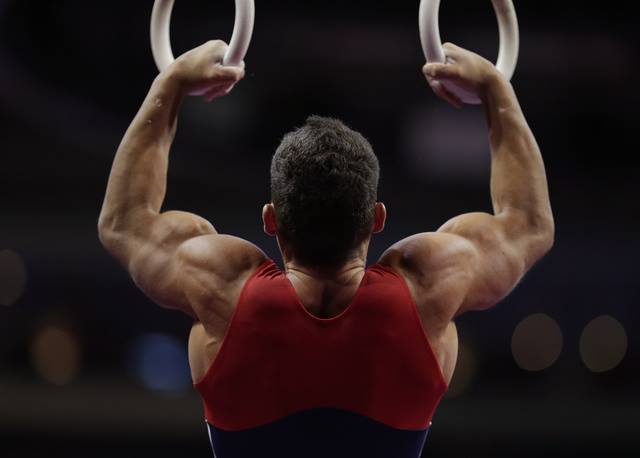
male-gymnast-rings

Chad Waterbury and I “met” about 12 years ago through the interwebs. Back then he had long flowing locks and wrote for T Nation on the regular while I was testing his encouragement of following his popular program of 10 sets of 3 reps.

In 12 years, a LOT can change.

Since then Chad has been living in Santa Monica, Ca. He has immersed himself in bodyweight training by getting coaching from a Russian Gymnastics Olympic Coach, is about to embark on his PhD journey and he no longer has the hair of The Mighty Thor.

In this episode of The STRONG Life Podcast we don’t discuss hair, sorry to disappoint.

Chad Waterbury and I discuss the power of bodyweight exercise and how you should be using bodyweight training to add muscle with out spending excess time in the gym. In addition to training, we also discuss life and what it takes to achieve those lofty goals you have running through your head, likely collecting “dust”.
- How does Chad organize each training session from the warm up to the workout?
- Do his workouts change when working with someone who wants greater fitness vs training a pro MMA fighter?
- Why doesn’t Chad go to the gym anymore?
- What was the BIG takeaway Chad picked up while working with a Russian Olympic Gymnastics Coach?
- Everyone says they want to “live the dream”. Chad packed up and moved to Santa Monica and is living his dreams. It wasn’t easy, so listen to his advice for you…..

* * * * *

A few pieces from T-Nation:

Primer 4: Big, Bad, Basic Workouts 

by Paul Carter | 8.22.2014 

Here's what you need to know...
  • Everyone knows what a single, double, or triple is, but when it gets to "four," people suddenly develop weight training amnesia.
  • You can build a solid foundation of strength and mass with a program based around sets of four. And it only requires four days a week of training.
  • One of the biggest reasons people get stuck in a training rut is because they start implementing more exercises and more set and rep schemes. Their training starts to resemble that of a buffet more than a basic meal of steak and potatoes.
  • Any time you find yourself frustrated by a plateau, the best thing you can do is eliminate all of the BS you've been doing and reel it back into simplicity. That's where the Primer 4 Program comes in.
The number four is the lonely, bastard child of the strength rep scheme. Everyone knows what a single, double, or triple is, but when it gets to "four" people suddenly develop weight training amnesia.

No one talks about their best "quad" rep set. They skip right over ugly number four and talk about "fives" like four never even existed. Why that is, I don't know. John Kuc, the first man to squat 900 pounds and who deadlifted a ridiculous 870 at a bodyweight of 242 pounds, did lots of sets of four in his training. Shieko, the Russian powerlifting system that's produced solid lifters, also uses sets of four throughout the programming.

So let's clear the air here. Four is not an ugly number for strength training. It's more or less the intellectual hot sister that never gets a date because she's misunderstood and doesn't get used up like her slutty sisters, the triple and "fives." The point is, sets of four have merit and you can build a solid foundation of strength and mass with a program based around them. The way we're going to use sets of four in my "Primer 4" program is to "prime" you for the last set of four in the volume sequence.

* * * * *

Do-It-Yourself Myofascial Release 

by John Rusin | 08/20/14 
Here's what you need to know...
  • Why are we still treating our soft tissues with techniques and implements that are decades old? You are better than your foam roller.
  • For every deadlift session, do one session of soft tissue work to counteract the damage. Every time you hit up the bench, perform two concentrated sessions of soft tissue work. Don't worry, you can do it watching TV. And it's free.
  • Just as the tennis ball provides a smaller surface area as compared to the foam roller, your fingertips provide an even more acute area with which to exert forces into your tissues. This high level of proprioception allows you to distinguish how painful trigger points feel, along with the tissue's texture and tone.
  • With only your hands and the ability to optimally position your body for force and leverage, your shoulders can be bullet-proofed by tacking on as little as 5 minutes to the end of your training.
The foam roller has become one of the most notorious time wasters in any type of training center. The tennis ball kept us sane for a while, but that too has left us less than ecstatic every time we wedge it under our shoulder blades. With all the advancements in our industry, why are we still treating our soft tissues with techniques and tools that are decades old?

* * * * *

9 Tips for Dedicated Lifters 

by Dan John | 08/19/14 

Here's what you need to know...
  • The only real secret to adding muscle to your whole body is this: do high rep squats.
  • If you can perfectly follow all those fancy lifting tempo recommendations, you just aren't lifting enough.
  • Conditioning has value, but if you're doing a bunch of junk for no rhyme or reason, cut it back or cut it out.
  • If you can't pull double bodyweight off the ground, press bodyweight overhead, and carry bodyweight for about 100 yards, work on that stuff first.
  • Sometimes the best way to get better is to take some time off. Do it before your body forces you to do it.
  • Every workout should build, in some way, upon the previous session. If you keep leaping from idiotic program to idiotic program, you might never learn this lesson.
I started lifting in 1965. I've been employed as a strength coach since 1979. I've seen a lot come and go, but I'm fairly confident that the following nine tips will still be around fifty years from now.
* * * * *

Here is a brief but useful article from Eric Cressey.

Bear Crawls vs. Crab Walks

Written on August 19, 2014, by Eric Cressey


Yesterday, I posted on Twitter that I was a big fan of bear crawls because they get you great serratus anterior recruitment, more scapular upward rotation, improved anterior core function, tri-planar stability, and some awesome reciprocal arm/leg activity. They're one of my favorite warm-up and end-of-workout low-level core activation drills.


For some reason, though, every time you mention bear crawls, someone asks about crab walks. Candidly, I don't think so highly of crab walks. In fact, I have never used them - and that's why I didn't have a video on hand of them.

* * * * *

Finally, here is Michael Boyle on kettlebells for the lower body.

Elite Performance with Mike Boyle: The Best Lower-Body Kettlebell Exercises

August 4, 2014

In this episode of STACK Elite Performance, Mike Boyle demonstrates the four best lower-body kettlebell exercises for athletes.


Elite Performance with Mike Boyle: The Best Lower-Body Kettlebell Exercises 

In this episode of STACK Elite Performance, Mike Boyle shows you how to perform four lower-body kettlebell exercises, which he explains are ordered in increasing difficulty, so you can easily progress through each variation as your strength and technique improve.  

Coaching Points Kettlebell 
  • Goblet Squat - Hold the kettlebell in front of your chest. - Lower until your elbows touch your knees.  
  • Single-Arm Goblet Squat - Hold the kettlebell in the rack position. - Keep your core tight to prevent upper-body rotation.  
  • Double-Kettlebell Front Squat - Hold two kettlebells in the rack position.  
  • Single-Leg, Straight-Leg Deadlift - Maintain a 10-degree knee bend. - Pull your shoulders down and back. 
  • Sets/Reps: 3 x 5-10 each variation 
Click here to see more Elite Performance tips with Mike Boyle.

Friday, August 15, 2014

Fitness Friday - Fitness News You Can Use

A little late today, but better late than never. Here is this week's installment of Fitness Friday. We have upper body exercise combos for mass, a 5-move kettlebell sequence, a highlight video from the Crossfit Games, a study on pushups being as effective as bench, and a 2-part interview with Mark Rippetoe from The Art of Manliness Podcast.

6 Combo Exercises for Upper Body Mass

by Ben Bruno | 08/01/14


Here's what you need to know...
  • The problem with most combination exercises is that one of the exercises is significantly stronger than the other and you end up using less weight for it. These six combos solve that problem.
  • Combination exercises can work well for packing on mass if both exercises are equally demanding so you don't have to shortchange one for the sake of the other.
  • Combos done in alternating fashion allow you to get more reps of each than if you were to use straight sets. Why? Because each muscle group gets a brief rest while you work the other.
The problem with most combination exercises is that one of the exercises is usually significantly stronger than the other. This means when it comes to selecting a weight, you must choose according to the weaker exercise, which in turn means that you're shortchanging the stronger exercise and not getting as much out of it as you could had you done it on its own. This isn't as big of a deal if you're just looking to do some lighter metabolic work, but if your goal is to build muscle, it's not ideal.

So while I typically don't like combination exercises for muscle building, they can work well if both exercises are equally demanding so you don't have to shortchange one for the sake of the other. With that in mind, here are six great combination exercises to add muscle to your upper body.

* * * * *

The 5-Move Core Shredder

Blast your abs, balance your strength, and boost total-body power and stability by training one limb at a time

By the editors of Men's Health, August 04, 2014

Trainer: Tony Gentilcore, C.S.C.S., cofounder of Cressey Performance, Hudson, Massachusetts


Best For: Shredding your core, eliminating muscle imbalances, boosting athletic performance, and packing on lean mass all over.

Equipment Needed: Two kettlebells
Focus: Strength, power, stability, coordination
Calories Burned: 397*
*As measured by a fit 6'2", 180-pound man using a Polar H7 heart rate sensor
How To Do It: Grab two kettlebells and do these exercises in the order shown. Rest 60 seconds between each set and 2 minutes between exercises.

* * * * *

Highlights from the 2014 Reebok CrossFit Games

Published on Aug 6, 2014


The CrossFit Games -- (http://games.crossfit.com)

* * * * *


Push-ups just as good as bench presses for strength building


 8.11.2014
Push-ups just as good as bench presses for strength building

You're off on holiday: the neighbors are watering the plants; the in-laws are looking after the dog. But who will look after your pecs? How will they survive all those weeks without bench presses? You can't take benches, barbells or weights with you. But according to sports scientists at the University of Valencia in Spain you can work on your chest muscles without doing bench presses. If you use an elastic band, push-ups are just as effective as bench presses. 

* * * * *

Art of Manliness Podcast #75: Barbell Training With Mark Rippetoe Part I

Brett McKay | August 2, 2014


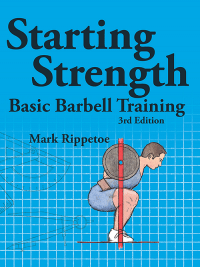
After taking a summer break from podcasting, I’m back in the saddle. And this week’s episode is a great one to come back on. I have a very enjoyable discussion with strength training expert and author Mark Rippetoe about barbell training. Mark is the author of the popular book, Starting Strength: Basic Barbell Training. Since 2005, Starting Strength has sold over 250,000 copies without any marketing; its solid advice has simply spread by word of mouth.

Show highlights:

  • Why a man should be strong
  • The benefits of barbell training over machines
  • The manly strength of old-time strongmen
  • The importance of form in barbell training
  • The main lifts every man should be doing
  • Mark’s opinion of Crossfit
  • And more!
In next week’s episode, Mark answers questions that were submitted by AoM readers. 

If you want to get strong, then I highly recommend picking up a copy of Starting Strength. It’s the most comprehensive book on barbell training out there that’s geared for the complete beginner. Even if you’ve been lifting for awhile, you’re bound to learn a thing or two from Starting Strength. And stay tuned for a great article by Mark next month on why barbells beat machines for building strength, hands down.

Art of Manliness Podcast #76: Barbell Training With Mark Rippetoe Part II

Brett McKay | August 8, 2014

In this week’s episode I continue my conversation (listen to Part I) with strength training expert Mark Rippetoe, author of Starting Strength. In this part of our discussion, I ask Mark questions submitted by podcast listeners via Twitter. Here’s a sampling:
  • Should you stretch before a workout?
  • Can you still squat even if you have bad knees?
  • Can squatting make your sprint faster?
  • Does the one rep max even mean anything?

Friday, August 1, 2014

Fitness Friday - Fitness News You Can Use

I missed last week, so there are a few extra articles here this week to give you something to read while you should be working. There's a lot of good stuff, so enjoy!

* * * * *

From the Cressey Performance blog, a guest post from Andrew Zomberg.

7 Strategies for Strength Training with the Minimum

Written on June 20, 2014, by Eric Cressey

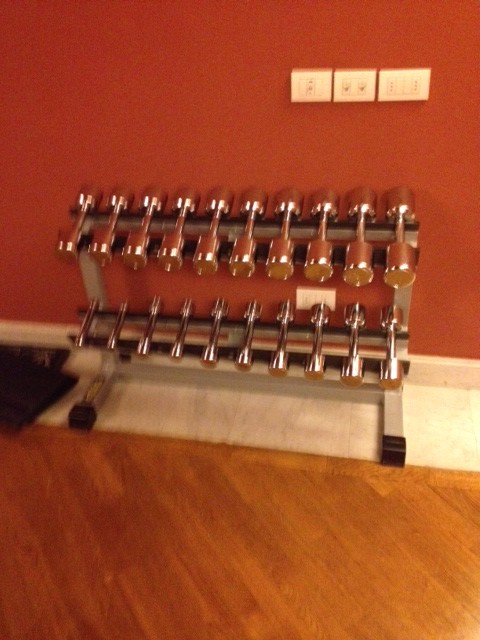
Recently, my wife and I vacationed in Italy, and fitness nuts that we are, we frequented several hotel gyms - none of which were particularly well equipped. Here's the one from hotel in Florence; yes, it was just dumbbells up to 10kg.


Immediately upon leaving, I sent an email to Cressey Performance coach Andrew Zomberg (@AndrewZomberg), who I knew was the guy to write up a post on having a great training effect without much equipment. This is what he pulled together; enjoy! -EC


Greater equipment availability generally yields greater efficiency because in order to induce structural or functional adaptations, you have to “force” the body to do so. Unfortunately, getting to a gym is not always feasible. The good news? Resistance training does not always have to depend on cable machines, power racks, and barbells.

Inaccessibility to gym equipment can be discouraging. The good news is that by creating structured programs and discovering new ways to challenge yourself with progressions, you can easily elicit a comparable training effect, just as if you were in a gym. Here are some options...
* * * * *

From Brett Contreras (the glute guy, as the picture below attests) - a collection of cool links in his "Random Thoughts" post - there is a TON of stuff there, so be sure to check it out.

Random Thoughts


How’s it going fitness peeps? I’ve got some great articles, videos, rants, and before/after pictures for you to check out. Just keeping you in the know!

Good Articles


Here are some great recent articles to read, written by various colleagues.

Scientific Articles


Chris Beardsley

Chris has written some great scientific articles in the past month. Several months ago he focused on hypertrophy, then he moved on to strength, and now he’s examining power. Here are the last six blogposts:
  1. Resistance Training and Power
  2. Ballistics and Power
  3. Injury Rates in Strength Sports
  4. Range of Motion on Strength Gains
  5. Rest Periods on Strength Gains
  6. Training to Failure on Strength Gains

Other Scientific Articles
  • We’re getting fatter due to less exercise, not more calories. See HERE.
  • Are you tired of pseudoscience? HERE are 10 claims that the authors would like to see go away forever.
  • Nick Tumminello teaches you some B.S. detection strategies HERE.
* * * * *

A few articles from T-Nation.

Total Body Strength

Loaded Isometrics for Size and Strength

by Nate Palmer | 07/24/14


Here's what you need to know...

  • Loaded isometrics teach irradiated tension, which increases strength gains in almost every exercise.
  • These moves can be done to increase either muscle size or strength, depending on the load used and the time under tension.
  • These exercises will teach you to use your entire body as one unit, test your mettle, and build strength in several key areas. Perform these after your main lift for the day, as a finisher, or just to test your willpower and see how strong you really are.
  • Keep the entire body tight to build total body strength. Keep your mental focus on the muscle you're working. Build your mental focus and you will get stronger!
Loaded isometrics can teach you a great number of things. The lesson I always learn is that I'm not as strong or as tough as I think I am. It's always a humbling experience to feel a whole new level of pain from a familiar exercise and it's a good check to see if you're actually working on your weak areas or just on the exercises you like.

Loaded isometrics are also fantastic for teaching the concept of irradiated tension, which, when properly performed, can increase strength gains in almost every exercise. The basic premise of irradiated tension is the idea that the body does not function in single units, but that the entire structure is important for even the smallest isolation move. In other words, when you create tension through your whole body, a dumbbell curl is more than just a dumbbell curl.

To create this next-level type of tension through your whole body, assume an athletic stance, feet shoulder-width apart, knees slightly bent, and starting with your core, begin to tighten your abs and then your glutes to create a foundation. Then squeeze the quads, pull the shoulder blades down and back, engage the lats, and lastly, tighten both fists.

Make sure you're taking small shallow breaths and then take inventory of your body. You should feel like an immovable object. If you need more proof that this technique will allow you to lift more, do a single arm dumbbell press with your weaker arm. Try it once without the tension, and try it once with it. Make up your own mind.

* * * * *

8 Rules for Fat Loss Training

by Andrew Heming | 07/29/14 
Here's what you need to know...
  • If you're serious about stripping off body fat, you must make time for proper nutrition. If you don't have time for this, make time.
  • Too often people trying to lose body fat just use intense metabolic resistance training and HITT (high intensity interval training). With fat loss programs, you need to switch as needed to different strategies such as metabolic resistance training, strength training, bodybuilding, and strength plus conditioning.
  • When designing a weekly plan for your training, consider how different styles of training affect different systems and thus affect recovery. You need to allow for some "space" between different kinds of stressors such as nervous system stressors, joint stressors, spinal compression, and metabolic stressors.
  • When trying to burn fat, you should rotate between different types of alactate (without lactic acid) conditioning that consists of short, intense work and lactate (produces lactic acid as a byproduct) conditioning that consists of longer duration work.
Want to lose body fat quickly and keep it off? Stop following those mainstream fitness workouts designed for your granny. Real fat loss training should build calluses on your hands. Here are eight rules for effective fat loss training, plus a sample workout plan that puts them all into action.

* * * * *

Bodybuilder Goes CrossFit

by Christian Thibaudeau | 07/25/14 
Here's what you need to know...
  • While the thinking used to be that CrossFit made guys weak, the average competitor in the CrossFit Games is very impressive.
  • Quite a few CrossFit girls have better physiques than some figure competitors, even without dieting.
  • There's something magical about being able to perform an explosive lift when you're metabolically fatigued and your heart rate is skyrocketing.
  • Doing submaximal lifting that focuses more on speed and density of work, like you do in CrossFit, is a great way to build muscle.
  • CrossFit can also get you lean fast, even with zero emphasis on nutrition.
I have a secret. I did CrossFit almost exclusively last summer. I've competed in Olympic lifting, powerlifting, and I've been a competitive bodybuilder... and now I can say I've been a CrossFitter too. I went to CrossFit Levis three times a week and then trained on my own to work on strength and my Olympic lifts. I actually kept a kind of CrossFit journal back then. So, one year later, here it is: my CrossFit diary, along with some current-day observations.
* * * * *

Here is a little science for you this week:

After resistance exercise, muscle repair and strengthening aided by stem cells


Thursday, 24 July 2014
A new study in mice reveals that mesenchymal (mezz-EN-chem-uhl) stem cells (MSCs) help rejuvenate skeletal muscle after resistance exercise.

By injecting MSCs into mouse leg muscles prior to several bouts of eccentric exercise (similar to the lengthening contractions performed during resistance training in humans that result in mild muscle damage), researchers were able to increase the rate of repair and enhance the growth and strength of those muscles in the exercising mice.

The findings, described in the journal Medicine and Science in Sports and Exercise, may one day lead to new interventions to combat age-related declines in muscle structure and function, said University of Illinois kinesiology and community health professor Marni Boppart, who led the research.
 * * * * *

This comes from Ergo-Log.com, a site that posts some interesting research summaries related to supplements, nutrition, and strength.

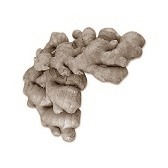
The joint effect of strength training and ginger supplementation

Supplementation with ginger combined with strength training reduces the damage wreaked by aggressive molecules in fat people, but the combination doesn't work better than either supplementation or training alone. Sports scientists from Iran state this in the Journal of Exercise Science & Fitness. The results of their study also suggest that ginger supplementation boosts the number of kgs muscle mass you build with strength training, and the number of kgs fat you lose as a result.

Strength training and ginger

Overweight is unhealthy for a number of reasons, and one of these is that the extra kgs of fat multiply the activity of aggressive molecules – free radicals – in the body. Physical exercise – so strength training too – reduces this, and supplementation with ginger does the same. But what does combining the two do? That's the question the researchers wanted to answer in their experiment.

Tuesday, June 24, 2014

Want to Age in Good Health? Build Muscle


Presented below is an old study from 2008, but it's a study that makes a powerful correlation between muscular strength and reduced mortality rates in men. We have seen similar research suggesting that the best way to maintain a strong immune system (in a study of HIV+ men) was to maintain as much muscle mass as possible, which is why anabolic steroids are often part of the treatment protocol for HIV/AIDS.

What more reason can we need to get into the gym and stay in shape? If we are going to age, and modern medicine is determined to see that we will, why not do it in as much health as we can?

Do you want to be 80 and need a walker, or do you want to look like this guy, incredibly fit despite his age? We do not have to age badly and lose vitality - staying fit is the best way to enjoy life for as long as our hearts are beating.

Association between muscular strength and mortality in men: prospective cohort study

Jonatan R Ruiz, Xuemei Sui, Felipe Lobelo, James R Morrow Jr, Allen W Jackson, Michael Sjöström, Steven N Blair

Abstract


Objective To examine prospectively the association between muscular strength and mortality from all causes, cardiovascular disease, and cancer in men.

Design Prospective cohort study.

Setting Aerobics centre longitudinal study.

Participants 8762 men aged 20-80.

Main outcome measures All cause mortality up to 31 December 2003; muscular strength, quantified by combining one repetition maximal measures for leg and bench presses and further categorised as age specific thirds of the combined strength variable; and cardiorespiratory fitness assessed by a maximal exercise test on a treadmill.

Results During an average follow-up of 18.9 years, 503 deaths occurred (145 cardiovascular disease, 199 cancer). Age adjusted death rates per 10 000 person years across incremental thirds of muscular strength were 38.9, 25.9, and 26.6 for all causes; 12.1, 7.6, and 6.6 for cardiovascular disease; and 6.1, 4.9, and 4.2 for cancer (all P<0 .01="" 0.58="" 0.68="" 0.71="" 0.72="" 0.74="" 0.77="" 0.90="" 0.96="" 0.97="" 1.00="" 1.07="" 1.0="" 1.10="" across="" activity="" adjusting="" adjustment="" after="" age="" alcohol="" all="" and="" association="" attenuated="" baseline="" between="" body="" br="" cancer="" cardiorespiratory="" cardiovascular="" cause="" causes="" conditions="" confidence="" death="" disease="" family="" fitness.="" fitness="" for="" from="" further="" hazard="" history="" however="" incremental="" index="" intake="" interval="" linear="" mass="" medical="" mortality="" muscular="" of="" pattern="" persisted="" physical="" ratios="" referent="" smoking="" strength="" the="" thirds="" to="" trend="" was="" were="">
Conclusion Muscular strength is inversely and independently associated with death from all causes and cancer in men, even after adjusting for cardiorespiratory fitness and other potential confounders.
Full Citation:
Ruiz, JR, Sui, X, Lobelo, F, Morrow Jr, JR, Jackson, AW, Sjöström, M, and Blair, SN. (2008, July 1).
Association between muscular strength and mortality in men: prospective cohort study. BMJ; 337:a439. doi: 10.1136/bmj.a439

Rather than bore you with the whole study, here are the final sections, including the Discussion and Strengths and Limitations. The results are pretty clear - more muscular strength equals better health and lower mortality rates.

Discussion


Muscular strength was significantly and inversely associated with risk of death from all causes and cancer after controlling for potential confounders, including cardiorespiratory fitness. The inverse association was consistent in strata of age (<60 60="" adjusted="" adjustment="" after="" age="" all="" analysis="" and="" associated="" association="" at="" attenuated="" body="" both="" br="" cancer="" cardiorespiratory="" cardiovascular="" cause="" causes="" combined="" confounders="" controlling="" death="" disease="" effects="" entered="" fitness.="" fitness="" for="" from="" further="" group="" having="" high="" highlight="" importance="" in="" index="" inversely="" kg="" least="" levels="" lower="" lowest="" m2="" mass="" men.="" men="" model="" moderate="" mortality="" muscular="" not="" of="" on="" once="" other="" population="" potential="" rate="" reduce="" results="" risk="" showed="" significant="" significantly="" strength.="" strength="" than="" that="" the="" these="" this="" to="" unfit="" was="" were="" with="" years="" yet="">
We investigated the association between standardised measures of upper and lower body muscular strength and disease specific risk of mortality in a large cohort of men with extensive follow-up. Muscular strength and cardiorespiratory fitness were moderately correlated (age adjusted partial r=0.33), suggesting that the association between muscular strength and risk of death from cancer works at least partially through different mechanisms than those associated with the protective effects of cardiorespiratory fitness. That the association between muscular strength and risk of death from cardiovascular disease was not significantly independent of cardiorespiratory fitness highlights the key role of cardiorespiratory fitness in the development of cardiovascular disease in men; however, their combined effects cannot be easily disentangled in an observational study. In this cohort the number of deaths from cardiovascular disease was lower than that from cancer (145 and 199, respectively). This may have reduced the statistical power to detect a significant independent association between muscular strength and risk of death from cardiovascular disease.

Apart from our preliminary analyses in the aerobics centre longitudinal study,28 only one study has assessed the association between muscular strength and all cause mortality after adjusting for cardiorespiratory fitness and age, smoking status, and body mass index and found that handgrip strength and upper body strength (push-ups) were not significantly associated with risk of death from all causes.18 A significant inverse association between muscular strength (measured by handgrip strength) and risk of mortality has been reported in several other studies.15 16 17 19 20 21 22 23 24 25 27 The main limitation of this test is that the measurement is highly influenced by the grip span of the dynamometer and hand size.44 45 46 None of these previous studies standardised the grip span or assessed a second muscle group. Furthermore, hand grip uses a relatively small muscle group and is not well correlated with measures of overall muscular strength as determined by measurements of strength using large muscle groups.47 Assessing additional muscle groups may provide a better overall index of muscular strength, especially when measured in large muscle groups. Moreover, cardiorespiratory fitness was not measured in these studies, and we know that cardiorespiratory fitness is strongly associated with morbidity and mortality.7 8 9 10 11 12 13 37 38 39

The apparent protective effect of muscular strength against risk of death might be due to muscular strength in itself, to muscle fibre type or configuration, or as a consequence of regular physical exercise, specifically resistance exercise. Muscle fibre type and configuration has a genetic component and influences strength, yet it is clear that resistance type physical activities are major determinants of muscular strength.5 48 We have previously reported a strong and positive association between the frequency of self reported resistance exercise and maximal muscular strength in men enrolled in the aerobics centre longitudinal study—that is, the higher the participation in resistance exercise the higher the muscular strength.32 This observation suggests that the measurements of muscular strength obtained in the present study provide an adequate representation of the resistance exercise habits in our cohort. Results from intervention studies indicate that resistance training enhances muscular strength and endurance, muscle mass, functional capacity, daily physical activity, risk profile for cardiovascular disease, and quality of life.5 These factors are well known predictors of higher risk of mortality. The benefits of resistance training are evident in men and women, young adults, and older people, in overweight and obese adults as well as in people of normal weight, and in people with or without disability, or with cardiovascular disease.5 We observed an inverse association between muscular strength and risk of death from all causes and cancer in older men (≥60 years) and younger men (<60 age="" also="" and="" as="" associated="" becomes="" benefit="" br="" consequently="" declines="" dependent="" directly="" experience="" from="" functional="" having="" higher="" in="" levels="" mass="" may="" men="" more="" muscle="" muscular="" of="" older="" on="" performance="" strength.="" strength="" suggests="" that="" these="" this="" years="">
The observed association between muscular strength and risk of death from all causes or cancer was also independent of body weight. We showed an inverse association between muscular strength and risk of death from all causes and cancer in overweight and obese men, as well as between muscular strength and risk of all cause mortality in those of normal body weight. Body mass index may have a different meaning in those who have greater muscular strength. For example, leg press strength for a man weighing 60 kg would be expected to be lower than that for a man weighing 90 kg. That is why we included body mass index in the multivariate analyses. Thus we not only controlled for the effect of weight but also height, which might have influenced the torque or force production. A high body mass index can result from a greater amount of fat or muscle. Yet in epidemiological studies most of the people with a higher body mass index also had higher fat levels.

Given that the prevalence of overweight and obesity exceeds 66% in the United States49 and that overweight and obese people are at a substantially higher risk of disability50 and death,51 52 these results have important implications for public health. Exercise recommendations to prevent or treat obesity have focused mainly on aerobic activities, yet resistance exercise is an important complement for weight control, mainly as a result of the increases in metabolically active muscle mass.2 Under most circumstances, and especially during physical inactivity, resting energy expenditure is the largest component of total energy expenditure. The energy expenditure related to muscle metabolism is the only component of resting energy expenditure that might vary considerably.2 The resting metabolic requirements of splanchnic tissues, brain, and skin vary little under normal conditions, mainly because of their relatively constant mass and protein turnover rates. In contrast, large variations in muscle mass are possible, and the rate of muscle protein turnover (synthesis and breakdown) may vary as well. The synthesis and breakdown of muscle protein are principally responsible for the energy expenditure of resting muscle. In theory, every 10 kg difference in lean mass translates to a difference in energy expenditure of about 100 kcal daily, assuming a constant rate of protein turnover.2 A difference in energy expenditure of about 100 kcal daily translates to about 4.7 kg of fat mass yearly. Over a long period the maintenance of a large muscle mass and consequent muscle protein turnover can contribute to the prevention of obesity. Therefore it is reasonable to presume that when sustained over time, resistance exercise training should help to prevent or revert increases in body fat.5

Strengths and limitations


The results of the present study should be interpreted with caution. Generalisation of the findings may only apply to well educated white men of middle to upper socioeconomic status. Values for blood pressure and cholesterol levels, body weight, and cardiorespiratory fitness from participants in the aerobics centre longitudinal study were similar to those reported in two population based studies in North America.8 Moreover, there is no reason to believe that the benefits of muscular strength would be different in other ethnic or socioeconomic groups. Because of the limited sample of women, who contributed relatively few deaths to the main study, we were unable to perform a meaningful parallel analysis on women. Therefore women were not included in this substudy. No detailed information about drug use or diet was available, which may have biased the results through residual confounding. It seems unlikely, however, that these factors would account for all of the observed association between muscular strength and mortality. That none of the participants reported a family history of cancer might be a limitation of the main study owing to self selection bias. In fact, only 1.16% of men in the entire cohort of the aerobics centre longitudinal study reported a family history of cancer. Future studies should include such information whenever possible.

A major strength of this study was the inclusion of objective and standardised maximal tests for muscular strength (upper and lower body) and cardiorespiratory fitness using highly reliable measurement protocols in a large cohort of men with extensive follow-up. Undetected subclinical disease is always a concern in any observational study, but it is less likely to have occurred in our cohort because of the comprehensive physical examination and the clinical assessment completed by each participant. Moreover, participants were healthy enough to achieve at least 85% of aged predicted maximal heart rate during the treadmill test.

Conclusions


Muscular strength was independently associated with risk of death from all causes and cancer in men. These findings are valid for men of normal weight, those who are overweight, and younger or older men, and are valid even after adjusting for several potential confounders, including cardiorespiratory fitness. Muscular strength seems to add to the protective effect of cardiorespiratory fitness against the risk of death in men. Whether the association between muscular strength and risk of death from cardiovascular disease is independent of typical confounders as well as of cardiorespiratory fitness warrants further investigation.

Prospective studies among diverse populations and among women are needed to examine the independent and combined associations of muscular strength and cardiorespiratory fitness with disease specific mortality. It might be possible to reduce all cause mortality among men by promoting regular resistance training involving the major muscle groups of the upper and lower body two or three days a week.5 Resistance training should be a complement to rather than a replacement for aerobic exercise. The recommendation for moderate to vigorous physical activity and resistance training are supported by the current research owing to the reduction in risk of death from all causes and cancer associated with increased cardiorespiratory fitness or muscular strength.3 4 5 6

What is already known on this topic
  • Cardiorespiratory fitness provides strong and independent prognostic information about the overall risk of illness and death
  • Most prospective studies examining the association between muscular strength and death have had limitations
What this study adds
  • Muscular strength in major muscle groups is independently associated with death from all causes and cancer in men aged 20-82
  • These findings are valid for those who are of normal weight or overweight, younger or older, and even after adjusting for several potential confounders, including cardiorespiratory fitness
  • Muscular strength seems to add to the protective effect of cardiorespiratory fitness against the risk of death in men

Friday, June 20, 2014

Fitness Friday - Fitness News and Information You Can Use


If it's Friday, it must be time for some fitness news and information. This week we have 40+ interval training, supplementing with oral ATP for recovery, maintaining 1RM in the deadlift, a whole lot of rep scheme variations, and a 4-week chest specialization program (because we all need pecs that look like Arnold's, above).

First up, from Runner's World, and argument in favor of interval training for us old people (40+).

Interval Training and Trolleyology

Is it safe for 40-year-olds to exercise hard?
By Alex Hutchinson


---

I couldn't help thinking of these dilemmas yesterday when a doctor friend asked about the message given to a group of GPs by a cardiologist at a continuing medical education course – that for people over 40, the risks of interval training outweigh the benefits. The common thread: while it may not seem rational, most humans seem to prefer taking a passive role in a greater harm than an active role in a lesser harm. 

The central trade-off here is the same one that applies to all exercise: you have a slightly increased risk of a cardiac event during exercise, and in exchange you get a slightly decreased risk of a cardiac event during all the hours you're not exercising. This is true for marathons, sprints, moderate continuous exercise, intense interval exercise, you name it. That's why doctors used to discourage heart-attack survivors from doing any exercise – until they realized that avoiding exercise ultimately made a recurrence more likely rather than less likely.

* * * * *

Next we have a research article from the Journal of the International Society of Sports Nutrition
on supplementing with oral ATP following exercise to increase blood flow to the muscles (which would then increase transport of protein and glucose to the muscle for recovery).

Oral adenosine-5'-triphosphate (ATP) administration increases blood flow following exercise in animals and humans


Ralf Jäger, Michael D Roberts, Ryan P Lowery, Jordan M Joy, Clayton L Cruthirds, Christopher M Lockwood, John A Rathmacher, Martin Purpura and Jacob M Wilson

Journal of the International Society of Sports Nutrition; 2014, June 13, 11:28. doi: 10.1186/1550-2783-11-28 


Abstract (provisional)

Introduction

Extracellular adenosine triphosphate (ATP) stimulates vasodilation by binding to endothelial ATP-selective P2Y2 receptors; a phenomenon, which is posited to be accelerated during exercise. Herein, we used a rat model to examine how different dosages of acute oral ATP administration affected the femoral blood flow response prior to, during, and after an exercise bout. In addition, we performed a single dose chronic administration pilot study in resistance trained athletes.
 

Methods

Animal study: Male Wistar rats were gavage-fed the body surface area, species adjusted human equivalent dose (HED) of either 100 mg (n=4), 400 mg (n=4), 1,000 mg (n=5) or 1,600 mg (n=5) of oral ATP as a disodium salt (Peak ATP(R), TSI, Missoula, MT). Rats that were not gavage-fed were used as controls (CTL, n=5). Blood flow was monitored continuously: a) 60 min prior to, b) during and c) 90 min following an electrically-evoked leg-kicking exercise. Human Study: In a pilot study, 12 college-aged resistance-trained subjects were given 400 mg of ATP (Peak ATP(R), TSI, Missoula, MT) daily for 12 weeks, and prior to an acute arm exercise bout at weeks 1, 4, 8, and 12. Ultrasonography-determined volumetric blood flow and vessel dilation in the brachial artery was measured at rest, at rest 30 minutes after supplementation, and then at 0, 3, and 6 minutes after the exercise.


Results

Animal Study: Rats fed 1,000 mg HED demonstrated significantly greater recovery blood flow (p < 0.01) and total blood flow AUC values (p < 0.05) compared to CTL rats. Specifically, blood flow was elevated in rats fed 1,000 mg HED versus CTL rats at 20 to 90 min post exercise when examining 10-min blood flow intervals (p < 0.05). When examining within-group differences relative to baseline values, rats fed the 1,000 mg and 1,600 mg HED exhibited the most robust increases in blood flow during exercise and into the recovery period. Human study: At weeks 1, 8, and 12, ATP supplementation significantly increased blood flow, along with significant elevations in brachial dilation.

Conclusions

Oral ATP administration can increase post-exercise blood flow, and may be particularly effective during exercise recovery. 
The complete article is available as a provisional PDF. The fully formatted PDF and HTML versions are in production.
* * * * *


This is a useful article from Tony Gentilcore on how to maintain deadlift strength during time we are not able to lift heavy or consistently. Turns out that, of the big three (squat, deadlift, bench) deadlift strength lasts the longest without consistent practice. This seems to explain how some lifters with HUGE deadlifts only train that lift once a month or so.

How to Maintain Deadlift Strength


I received an interesting question from a reader the other day on deadlifts, particularly 1RM (1 rep max) deadlifts. And since I get all giddy like a school girl at a One Direction concert whenever someone brings up the topic, I figured I’d share my answer here on my website since I’m sure it’s a question that others have wondered as well.

Q: My lifting consists mostly of deadlifts and chin-up/pull-ups with lots of auxiliary work. I also cycle a lot (100 miles per week in-season). But I am in the field for several months a year and it interrupts my lifting.

Last year I pulled 305 on my 60th birthday (at 182 pounds body weight). I got a late start this year and was not as systematic with the spin up. I did a 1RM test and only pulled 270 (at 190 pounds) on my 61st.


My question is:
I would have liked to maintain a 300 pound 1RM but was not systematic enough through the year. What do I do between programs to maintain a higher 1RM? (And continue to cycle and miss the occasional month in the deep field for work?).

A: Who are you? John Wayne? I love this! 

* * * * *

Two articles from T-Nation floated to the top this week.

22 Proven Rep Schemes 

by Christian Thibaudeau   
06/16/14


Here's what you need to know...

  • While there's no one best set/rep scheme, there are plenty of great ones to choose from, all time-tested and proven to work.
  • Methods like 10 x 1, 5 x 2, ramping up to a 3RM, 3/2/1 waves, and 1/3 ratchet loading, among others, work great for pure strength gains.
  • For gaining both size and strength, schemes like cluster 5's, 5 x 5, and 1/2/4/6 are extremely effective.
  • For pure hypertrophy, 4 x 8, 10/8/6/20, and Gironda's 6 x 6 have been around forever and continue to pack on muscle.
"How many sets and reps should I do to get the best results?"

I hear that question every day. People all want a cut and dried answer so all they'll have to do is follow it and make uninterrupted progress. Sadly, it's not as simple as that. There is no one "best" sets/reps scheme. And sometimes a little detail like doing one too many sets in a certain intensity range could absolutely kill your progress. However, while there are no best schemes, there are several great ones. Here are 22 of them. All of them will work if you respect the given guidelines and train hard.

* * * * *

4-Week Chest Specialization 

by Mike Samuels   
06/17/14


Here's what you need to know...

  • With a traditional bodybuilding split, you'll only train your chest once every five to seven days, meaning you're leaving a hell of a lot of elevated muscle protein synthesis potential on the metaphorical table. We should instead opt for a specialization approach.
  • While hammering the chest three times per week, all other muscle group will be put on maintenance mode.
  • Monday will be your power/activation workout, Wednesday is your strength session, and Friday is for hypertrophy work.
Despite the "chest and biceps only" guys at every gym and Monday being International Chest Day, an awesome set of pecs is a rarity. It's hardly surprising though. Browsing through websites and magazines, you'll find conflicting information on chest training. Half the coaches out there say the bench press is the best damn chest exercise there is. The other half say it wrecks your shoulders, hits your delts and triceps more than your chest, and doesn't deserve its place in the bodybuilding hierarchy.

Then you've got the incline vs. decline argument. Judging by how many people suffer from man-boob syndrome where the size of the lower and mid portion of the pecs far outweigh the musculature of the upper section, you'd be forgiven for thinking that incline work is what everyone needs to focus on. Then suddenly, some fancy new EMG study comes out and indicates that the best chest-developer is the decline bench, and how inclines are actually much more of a shoulder exercise.

Confused? Yep, me too. At least I was, until I realized how to structure a chest routine for optimal development.

Friday, June 13, 2014

Statins and Prostate Cancer - Don't Believe What You Read

Every few years, it seems, there is renewed interest in using statins (hydroxy-methyl-glutaryl CoA reductase inhibitors - drugs that lower cholesterol) to treat (or prevent) prostate cancer. WebMD reported on a 2009 study suggesting an almost 2/3 reduction in death rate with the use of statins:
Statins and Prostate Cancer Death

The new study involved 380 men ages 55 to 79 who died from prostate cancer between 1999 and 2001 and who had living spouses who could verify their medical histories. They were compared to 380 married men in the same age group who were still alive.

A total of 63 men who died from prostate cancer had taken statins, as had 109 of the men who were alive.

After taking into account other risk factors for dying from prostate cancer, men taking statins were 63% less likely to die from the disease than men not taking statins.

Stephen Marcella, MD, assistant professor of epidemiology at the University of Medicine and Dentistry of New Jersey in Piscataway, presented the findings at the 2009 Genitourinary Cancers Symposium.

Further analysis showed that high-potency statins like Lipitor, Zocor, and Crestor were linked to a lower risk of dying from prostate cancer even more than weaker statins like Mevacor, Pravachol, and Lescol.

"The high-potency statins were about 2.5 times more effective at preventing prostate cancer death than the weak statins," Marcella says.

"That makes sense," Klein says. "The more potent the drug, the bigger the biologic effect."

That doesn't mean high-potency statins are better than weaker statins, he stresses. "Their primary purpose is for cholesterol lowering and you typically want to use the least aggressive therapy you can to achieve the desired effect," Klein says.

While the studies were not designed to examine how statins might protect against dying from prostate cancer, Klein notes that they are potent anti-inflammatory drugs. "There's a lot of evidence that inflammation contributes to the development of prostate cancer." Alternately, statins may directly kill cancer cells, Klein says.
The anti-inflammatory model of the reduction of cancer severity in those who use statins may be true for some patients. We don't know. But we do that a diet rich vegetables, antioxidants, fruits (especially berries), and anti-inflammatory herbs (curcumin, olive leaf extract, oregano oil), combined with regular exercise and an avoidance of too much red meat (or, more precisely, flame-cooked meat) and too much sugar and other simple carbs, all work in synergism to reduce inflammation, which is the primary driver of cancer growth.

Why use statins when we can get the same benefit (and may others as well) from a proper diet?

In a 2010 paper (Di Stasi, MacLeod, Winters, and Binder-Macleod1) on how physical therapists can be useful for those taking statins, the authors outline some of the issues with statins and muscle damage:
Approximately 25 million Americans use statins,13 and 5% to 18% of these patients report some form of myalgia.14 Skeletal muscle side effects that are associated with statin use involve muscle cramping, soreness, fatigue, weakness, and, in rare cases, rapid muscle breakdown that can lead to death (ie, rhabdomyolysis).15,16 Side effects have been associated with all commonly used statins and are dose dependent.17,18
Other research has suggested the percentage of people who experience side effects (especially in muscle) is not really so tiny. Parker, Capizzi, Grimaldi, Clarkson, et al. (20132) found that even non-symptomatic patients express increased average creatine kinase, suggesting that statins produce mild muscle injury even among asymptomatic subjects.

However, this is not the most serious with statins and prostate cancer. 

Earlier this year, the research surfaces again. This is a lengthy article, and I am including all of it - it comes via the Prostate Cancer Foundation.

Statins and Prostate Cancer

As the science comes together, risk of aggressive disease may be abated with use, but little effect on indolent, early prostate cancers


March 4, 2014 -- Statins are a group of widely prescribed drugs used to lower cholesterol levels in the body. Common statin medications include well-known brands such as Zocar, Lipitor, and Crestor. Statins work by inhibiting an enzyme in our bodies (HMG-CoA reductase) that is used to manufacture cholesterol, and the drugs can also help clear already formed cholesterol from the bloodstream. High cholesterol is a known cause of cardiovascular disease, and it’s well-established that statins reduce the rate of death and illness caused by cardiovascular disease. And while statins can help prevent the risk of heart attack or stroke, some studies have also suggested that statins may have an effect on prostate cancer.

Whether the effect would be beneficial or harmful has been the subject of ongoing studies for some time. When statins first became widely available to the public in the 1980s, concerns erupted that these drugs might spur some cancers. Those fears are now widely dispelled, and this past year, a massive meta-analysis of 135 randomized studies that included over a quarter million study participants, found that statin use did not increase the risk of developing cancer.

Statins and Prostate Cancer

However, whether or not statins had a positive impact on cancer risk remained an open question. Research has suggested that statins can slow cancer cell growth in certain cancer types such as breast, colorectal, and skin cancers, and may lower the risk for the latter two. And some research has also suggested that statins might lower the overall risk for prostate cancer, but because of inconsistent findings, it was clear more research was needed. From such ongoing research, what is emerging is that statins may indeed reduce the risk of death from prostate cancer, but likely have little effect on whether or not a man develops prostate cancer in the first place.

Statins and Advanced Prostate Cancer


Dr. Elizabeth A. Platz of the Johns Hopkins Bloomberg School of Public Health and a Prostate Cancer Foundation-funded researcher.

Dr. Platz and colleagues have twice found that individuals with lower levels of cholesterol (within the normal ranges, not the super low ranges) had a lower risk of developing more aggressive disease, as defined by high Gleason scores. This is yet another reason for men to put aside that plate of fried chicken and head for the salad bar, in order to naturally lower their cholesterol levels.

This January, research out of Canada published in the Journal of Clinical Oncology found that men who used statins after a diagnosis of prostate cancer had a 24% decreased risk of death from the disease compared to men who did not take statins. The longer the men took statins, the greater the protective effect. For example, men who took statins for less than one year post-diagnosis had a 1% lower risk of death from prostate cancer compared to non-users. But men who had taken statins for three or more years post-diagnosis lowered their risk of death from their cancer by 39%.

Interestingly, the study also found that statin use prior to a diagnosis of prostate cancer was even more protective to the men, in terms of both mortality specifically from prostate cancer, or from any other cause. Pre-diagnostic statin use reduced the men’s risk of death from prostate cancer by 45%, and conferred a 34% reduced risk of death from any cause, compared to men not taking statins.

All the men in the study had been newly diagnosed with non-metastatic prostate cancer at the time of their enrollment into the study; men who used statins after their diagnosis were 23% less likely to develop distant metastatic cancer spread during the study period.

This study adds to other recent research showing reduced prostate cancer-specific mortality among men who used statins. Dr. Janet Stanford, of the Fred Hutchinson Cancer Research Center in Seattle and a Prostate Cancer Foundation-funded researcher, and colleagues published a study this past summer in The Prostate demonstrating that men who took statins prior to their diagnosis of prostate cancer experienced an 81% reduced risk of prostate cancer-specific mortality compared to men who did not take statins. At 10 years of follow-up, only 1% of statin users had succumbed to prostate cancer, compared to 5% of non-users. However, that study also found that statin use prior to prostate cancer diagnosis did not affect whether or not prostate cancer recurred or progressed. At the time the study was published, Stanford called for confirmation study to validate her findings, and suggested that such research could pave the way for a large, randomized, placebo-controlled study that will yield the most definitive results on whether or not men with prostate cancer should or should not be prescribed statins to lessen their risk of death from the disease.

In response to last month’s study in the Journal of Clinical Oncology (JCO), Drs. Lorelei A. Mucci and Meir J. Stampfer from the Harvard School of Public Health and both Prostate Cancer Foundation-funded researchers, penned an editorial on the subject: Mounting Evidence for Prediagnostic Use of Statins in Reducing Risk of Lethal Prostate Cancer. In this article, Mucci and Stampfer point out that much of the inconsistency among studies on statins and prostate cancer “disappears" when the research distinguishes between risk of overall incidence of prostate cancer and risk of advanced or lethal disease. In reviewing the current “mounting" evidence, Mucci and Stampfer pointed to Stanford and colleagues findings of lower risk of death from prostate cancer in statin users, as well as a Danish study showing lower rates of death for statin users, and a Norwegian study finding that risk of lethal prostate cancer also dropped with statin use.

The authors noted that Prostate Cancer Foundation researchers were the first to focus on risk of lethal disease and statin use in a prospective, observational study published in the Journal of the National Cancer Institute (JNCI) , in 2006. (Men at risk for prostate cancer were observed over the course of several years; their use of statins was recorded, as was their incidence of prostate cancer.) That study, with first author Dr. Elizabeth A. Platz of the Johns Hopkins Bloomberg School of Public Health and a PCF-funded researcher, found that men diagnosed with prostate cancer who used statins halved their risk of developing advanced disease during the study period, and lowered their risk of lethal disease (having metastatic disease at time of diagnosis or succumbing to prostate cancer during the study’s follow up period) by 61 percent. Furthermore, the study found that the risk of developing advanced prostate cancer was lower with longer durations of statin use.

Dr. Mucci says that the Canadian study was a particularly good study for a number of reasons. “It is one of the larger studies to date with the ability to study lethal cancer during the follow-up period," says Mucci, referring to the fact that a large number of men in the study developed lethal disease during the study’s follow-up. Because smaller studies may pick up outcomes that happen just by chance rather than due to the effect of the drug, this study allows far greater confidence in the findings that statin use did have a positive effect on risk of dying from prostate cancer. Also, says Mucci, “A really unique feature of this study is that the researchers looked at statin use both before and after diagnosis." That may be important in helping to determine the mechanism of action statins have on prostate cancer. “One can think about statin use after a diagnosis, and that the drug will probably influence tumor cells after they’ve left the prostate, whereas, statin use before diagnosis could influence the tumor itself," says Mucci.

Knowing when and where statins act on prostate cancer can help determine which patients are most likely to benefit, as well as lead to new drug development specific to prostate cancer once the cellular pathways of action are determined.

Dr. Mucci and colleagues are now working out how statins may affect genes and other molecular pathways for better or worse in prostate cancer patients. They will examine prostate tissue samples taken from men who’ve just undergone radical prostatectomy. “We want to determine if there are differences in gene expression between men who use statins and those who don’t," says Mucci. They examine both tumor tissue samples and normal tissue samples taken from the prostate of each man in their study.

Statins and Overall Risk of Prostate Cancer – unlikely to work as chemopreventive agent

While statin use may have an effect on survivability of prostate cancer in some men, the evidence to date does not point to a protective effect from the drug in terms of overall risk of prostate cancer. In the 2006 JNCI study by Platz and colleagues, while risk of lethal disease was lowered among statin users, there was no risk reduction for the overall occurrence of prostate cancer in men who were taking statins.

On the heels of that study, Platz and colleagues decided to further investigate overall risk of prostate cancer and statin use. “Most of overall prostate cancer is early stage disease, and we did not see an association between statin use and prostate cancer overall" says Platz, “and we were worried maybe we might be missing an association because of a particular study bias—detection bias." Men who regularly seek care through their primary-care doctor are more likely to be screened for both high cholesterol and PSA levels. “If a man has high cholesterol he may well be prescribed a statin to lower his cholesterol levels, and if his PSA levels are elevated, his doctor might recommend a biopsy," says Platz. Regular screening can lead to both a high incidence of statin use and prostate biopsy. And because biopsy if quite sensitive to picking up early prostate cancer, this can create a false association between statin use and prostate cancer, says Platz.

“We wanted to study early prostate cancer in a setting where such detection bias is very unlikely to be operating," said Platz.

To that end, her group studied statin use in a group of men enrolled in the Prostate Cancer Prevention Trial, a study that called for annual PSA screening and digital rectal exams for prostate cancer. This eliminated the variability in screening that likely colored other studies. And, because Platz wanted to focus on early cases of prostate cancer, a setting where all men are screened equally also favored early disease detection that gave the researchers a more homogenous group of diagnosed men, weeding out most cases of late stage disease. In a study just published online in the Journal of Urology, Platz and colleagues again found no association between statin use and early prostate cancer among some 10,000 men enrolled in the Prostate Cancer Prevention Trial who were followed for a period of seven years.

“Overall," says Platz, “if you take all of the literature together, it appears as though statin drugs may be inversely associated with aggressive disease—meaning the cancer progresses to the point of distant metastatic spread, or death of the patient—but not associated with the development of the most common form of prostate cancer in men, which is very early disease."

Why and how might statin use affect development of aggressive prostate cancer?

Clearly this needs to be better understood, but there are several likely avenues of action statins can exert on cancer cells. Pre-clinical research has shown that these cholesterol-lowering drugs can inhibit prostate cancer cell growth, and may encourage cancer cell death and prevent tumor blood vessel growth as well as modulate immune system factors. Additionally, it has been suggested that statins may tamp down the activity of certain oncoproteins. Dr. Mucci’s team, in their work just beginning on tumor tissue samples and statin use, will help suss out such molecular activity and pathways involved.

Dr. Platz and colleagues have now twice found, in two different study groups of men, that individuals with lower levels of cholesterol (within the normal ranges, not the super low ranges) had a lower risk of developing more aggressive disease, as defined by high Gleason scores. (This is yet another reason for men to put aside that plate of fried chicken and head for the salad bar, in order to naturally lower their cholesterol levels.)

Moving forward to better answers

And while the indications are fairly ripe for an interventional randomized clinical study of statins as one agent in the treatment of men with advanced prostate cancer, it is very important to do the groundwork to best determine which subset of men and at what time in their treatment scope, statin use may yield the best results, says Dr. Howard Soule, chief science officer at PCF. Large randomized studies are very costly and if not properly set up, may not bring forth the best information.

From a public health standpoint, it doesn’t make sense to give healthy men, who do not have elevated cholesterol levels, statins for prevention of cancer, says Platz. “Even though these drugs are quite safe, they are not without side effects," she says.

Dr. Jonathan Simons, president and CEO of the Prostate Cancer Foundation, says, “This tantalizing possibility that statins may be used in conjunction with other therapeutics to lower a man’s risk of death from aggressive prostate cancer is well worth further exploration." Simons adds: “Finding that subset of men who might most benefit from statin use in order to hold their cancer in check, or discovering what genes and molecular pathways might be targeted with other new drugs, is a definite goal." And with the recent advent of blood tests that use genetic signatures to help separate out risk of less aggressive from risk of more aggressive disease, and the discovery of constellations of single point mutations—changes in DNA sequence called SNPs—that add up to a higher risk of lethal disease , it may be that evaluating statin use in men who are deemed at higher risk of aggressive disease may be ideal candidates in whom to study statin use as a treatment option. In fact, says Platz, such a research strategy would be feasible because in a high-risk group of men the likelihood of having an event of aggressive prostate cancer is higher, so the study would be more manageable in term of size and duration—fewer men would need to be enrolled and follow up time could be shorter in order to get actionable data.
If you noticed in the article, these studies were conducted on non-metastatic cancer patients, and the studies did not progress far enough to see if any of the patients did suffer from metastasis. Although in one of the studies mentioned, "men who used statins after their diagnosis were 23% less likely to develop distant metastatic cancer spread during the study period." But how long was the study period?

Statins, Metastasis, and Red Blood Cells

One of the emerging theories for the metastasis of prostate cancer is that the cancer stem cells have found a way to "hijack" red blood cells, which allows them to move through the body undetected by the immune system and to eventually hide out in bone morrow, where they are safe from radiation and chemotherapies, and where they also have a steady blood flow to keep them alive.

So the question, then, is how do they get into the red blood cells?

Research (Honda, Yamada, Endo, Ino, Gotoh, et al., 19983) demonstrates that regulation of the actin cytoskeleton of erythrocytes (red blood cells) likely plays a central role in cell motility and cancer invasion. These authors believe that nonmuscle actinin-1 associates with cell adhesion molecules, such as integrin β1 and α-catenin, and is plays an important role in stabilizing cell adhesion and regulating cell shape and cell motility (Otey et al., 1990, 1993; Glück et al., 1993; Glück and Ben-Ze'ev, 1994; Knudsen et al., 1995).

Their research found that cytoplasmic actinin-4 (a novel isoform of nonmuscle α-actinin) regulates the actin cytoskeleton and increases cellular motility. However, it becomes inactivated when it is transferred to the cell nucleus, which "abolishes the metastatic potential of human cancers." So, in essence, activation of actinin-4 increases cell motility. But how?

It's long been known that inflammatory substances in the immune system can damage erthrocytes, which creates an opening for cancer stem cells to enter. The above study showed that actinin-4 was markedly induced in cells along the edges of a wound to the cytoskeleton.  
Actinin-4 was expressed in a limited population of normal cells, including erythrocytes, endothelial cells, and epithelial cells in various tissues at their border with stromal connective tissue.
So where I am going with all of this?

Simvastatin (Zocor), one of the more common statins, has been shown (Clapp, Ellsworth, Sprague, and Stephenson, 20134) to increase erythrocyte deformability, which means red blood cells are more easily deformed, as in the research above. It is highly likely that other statins produce the same risks.

Deformed erthrocyes, whether from cytokines or statins, increase the risk that cancer cells, including prostate cancer, can invade the damaged blood cells and metastasize throughout the body.

So when you read that statins might be an effective treatment for prostate cancer, please keep this in mind.


References

1. Di Stasi, SL, MacLeod, TD, Winters, JD, and Binder-Macleod, SA. (2010, Oct). Effects of Statins on Skeletal Muscle: A Perspective for Physical Therapists. Physical Therapy; 90(10): 1530–1542.
2. Parker, BA, Capizzi, JA, Grimaldi, AS, Clarkson, PM, Cole, SM, et al. (2013). Effect of Statins on Skeletal Muscle Function. Circulation127: 96-103.
Honda, K, Yamada, T, Endo, R, Ino, Y, Gotoh, M, Tsuda, H, Yamada, Y, Chiba, H, and Hirohashi, S. (1998, Mar 23). Actinin-4, a novel actin-bundling protein associated with cell motility and cancer invasion. Journal of Cell Biology; 140(6):1383-93.
4. Clapp, KM, Ellsworth, ML, Sprague, RS, and Stephenson, AH. (2013, Mar 1). Simvastatin and GGTI-2133, a geranylgeranyl transferase inhibitor, increase erythrocyte deformability but reduce low O2 tension-induced ATP release. Am J Physiol Heart Circ Physiol.; 304(5): H660–H666.