Showing posts with label psychology. Show all posts

Tuesday, October 14, 2014

Dr. Jean Kim - Why He Hits: The Psychology of an Abuser

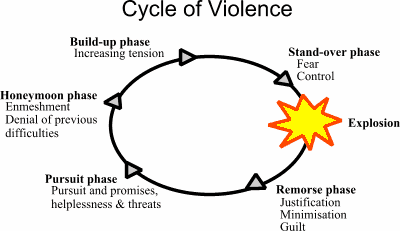
http://dlib.info/home/sla/images/Cyc.gif

From Psychology Today's blog section, Dr. Jean Kim (Culture Shrink) attempts to explain the psychology of a (male) abuser. This is an excellent post in that it does not offer easy answers (she lists a large number of conditions that can lead to violence) and she writes from the personal experience of growing up with a father who was violent to her mother.

http://ionevoxxi.files.wordpress.com/2013/07/470_5096928251355262391.gif?w=550&h=650

All of these same conditions can apply to women who abuse their male partners - and this is more common than most people are willing to admit. The rates of DV are nearly equal between the genders. But men are much less likely to report, and when men abuse, they tend to create more damage.

Why He Hits: The Psychology of an Abuser

Exploring the biological and psychological drive of abusers


Published on October 8, 2014 by Jean Kim, M.D. in Culture Shrink

The act is simple. But everything around it is not. Fist meets flesh; force makes contact. Nerve endings fire away in pain; capillaries burst; tissues swell.

The physical mutates the moment. Violence creates as it destroys. As we know from the recent 9/11 anniversary, the axis of someone’s psyche shifts after something traumatic happens. Tomorrow is never the same. In violence’s wake, a savage creation is born. A monstrous mélange of anguish, sorrow, confusion, shame, anger—and to look upon it is to look at oneself in a shattered mirror, a grotesquerie of what you thought was love, family, intimacy.

To have that moment and its afterbirth displayed for all the world to see, the monster that thrives in the shadows and corners of personal respectability and civility, is what has finally happened with the Ray Rice incident. Thanks to the era of cell phone cameras and instant media and Youtube, the personal can no longer remain private. And while there may be something to be said for the victim’s agency in choosing when to reveal private horror to others, Janay Rice has become the unwitting, unwilling poster child for an important conversation.

Aside from the myriad discussions of an abuse victim’s behavior and the crucial #WhyIStayed Twitter feed, here I have decided to focus on the perpetrator. Because as someone who grew up with a father who committed domestic violence, it is a question that has plagued me my entire life. Why does someone you love, someone who should cherish you unconditionally, treat you or your loved one cruelly? What has gone awry in that person to become an instrument of violence, both physical, and inevitably emotional?

On some level, that question has defined my entire identity and my choice of career. Not unlike the obsessions of a driven detective searching for a murderer, or of John Wayne in the classic movie The Searchers looking for years for his kidnapped missing niece, I too have obsessed over that question. I studied literature, looking for the answers in human behavior and motivations, the nature of good and evil. I became a psychiatrist, devoted to helping people who have suffered the mental fall-out from trauma, which leaves devastation in many forms, be it nightmares, isolation, depression, anxiety, self-hatred, self-destructive behaviors, and more. But I also wondered about the psyche of the aggressor, the criminal, the sociopath, who would also sometimes come under my purview.

Abusers often suffer from their own mental illnesses; a mood disorder may make them more prone to irritability and anger. Both depression and mania can manifest in heightened snappiness and quickness to attack, especially when associated with insomnia. (And in rarer severe cases, psychotic paranoia can also contribute.) Post-traumatic stress disorder (as sometimes seen in people in high-stress, high-threat careers like the military) can cause people to remain in fight-or-flight mode, leading to a chronic edginess and aggressive will to survive. An impulse control disorder may mean the person has trouble keeping wayward behaviors in check, has repetitive compulsions exacerbating stress. A traumatic brain injury or other organic brain damage (as associated often now with sports like football and boxing) may affect parts of the brain like the frontal lobe, causing disinhibition or mood changes. Addictions to substances like alcohol can also strongly exacerbate these behaviors. Some research has conjectured that testosterone can also sometimes worsen violent, antisocial, and aggressive behaviors, and adversely affect empathy.

Environment and learned behavior also contribute to abuse. Oftentimes abusers have witnessed similar behaviors in their own families, and they inevitably imitate their original role models, male or female. They may harbor severe resentment towards the gender they attack because of unresolved issues with their own parent, who may have been physically or emotionally cruel or unloving. It isn’t uncommon to end up “identifying with the aggressor,” an ego defense mechanism where you internalize the role of the powerful figure in the family, because you see abuse and dominance as power. You see this aggression as the way to behave in your later relationships and jobs, as the best way to survive, else you be the one victimized instead. Kill or be killed is the only relationship language you understand.

There is also the related issue of lack of ego strength; why would someone need to constantly control and belittle someone else to feel better about themselves? Abusers sometimes come from backgrounds where they were often belittled or grew to lack self-esteem. Usually the abuse is directed towards someone who would be considered weaker than them anyway, someone who is vulnerable, like a physically smaller female who is often younger, less educated or less financially independent, more easily manipulated. The abuser is a secret coward, never assured of their own power, even when they stack the deck heavily in their favor. (And certainly there can be male victims of abuse as well, with even more complex forms of shame and manipulation involved.)

Yet even with these biological and psychological insights as to what renders someone vulnerable to becoming violent, I still wonder what goes awry in that key moment, where someone decides to cross that line that most of us still recognize and appropriately flinch at in revulsion. Where someone lets loose with that fist, that belt, that weapon, decides to finally pull that trigger. Sometimes I still think there is a greater moral question to be asked as well of an abuser. What is causing that blind spot, that says hitting someone is okay?

Perhaps there is a rush, a thrill that goes with the transgression. There is a perverse reward going on to the circuits, that the kill has happened. It’s not that different than other trained instincts of violence we encourage in our society: be it in video games or aggressive sports or hunting or never-ending wars. Perhaps there is still a thirst for blood that is gratifying, enjoyable, and it is a thin line to cross when it comes then to a loved one who is easily and readily accessible, easy to hide.

This line-crossing may differentiate a sociopath from the rest of us. And yes, perhaps, a level of sociopathy or psychopathy is ultimately part of the picture for an abuser; a lack of empathy, even an enjoyment of inflicting cruelty or pain, a disregard for the aftermath. Although Dr. Robert Hare Ph.D., the psychologist who created the gold standard for diagnosing psychopathy, the Hare Psychopathy Scale, estimates that only 1% of the general population meets criteria for the official diagnosis, he has noted that higher numbers may have psychopathic traits and can be found in corporate businesses and other mainstream walks of life.

And although many may tend to consider domestic abuse as more of a “crime of passion” or less calculated than your stereotypical cold-blooded murder, that isn’t really the case. Oftentimes there is a longstanding pattern of manipulation and control inflicted by the abuser. Their tactics are not fleeting and isolated; they groom and master their victims quite skillfully; the callous bursts of violence are part of a larger campaign to dominate and emotionally cripple their victims so they lose their independence and will-power to leave. In this sense, given the high rates of domestic violence in our society (up to a third of women have been subjected to it according to a recent CDC study), the rates of sociopathic traits might be much higher than we realize.

Sure, all of us carry some capacity for cruelty or violence. Thanatos fights with eros for our souls—the age-old devil and angel chattering on our shoulders for control. Most of us keep our baser instincts in check. Circumstances and biology may make it easier for the line to be crossed, may bring you closer to the precipice. But it’s still your choice to release the monster. And it is a choice we must continue to acknowledge, to prosecute, and to vehemently condemn.

But that condemnation comes at a price we must acknowledge as well. Abusers come in all walks of life, all levels of society, and varying degrees of behavior. (There are definitely female abusers too, but we shouldn’t minimize the statistical reality that more men are prone to committing domestic violence.) They are human too, they can be loved and loving, they can do good as well as evil. It is not always so easy to “just leave” them or hate them. We should also stand back and view both abuser and victim with some compassion and appreciation of human and circumstantial complexity.

We need to continue to examine and address socioeconomic factors that contribute to abuse, such as war, poverty, stress, mental illness, violent entertainment, and other contributors to violence. We need to encourage mutual respect in society and healthy role-models for relationships. We need to promote love and forgiveness as well, but part of that involves recognition of a crime, recognition of the brutality of a violent act, not denial. Only when the act is acknowledged can the healing begin.

Related Links

Tuesday, October 7, 2014

Male/Female Differences in Variability Itself

http://images.sussexpublishers.netdna-cdn.com/article-inline-full/blogs/54311/2011/01/54391-45190.png

I normally am pretty critical of evolutionary psychology because, well, science. But this article, which comes from a lab that calls itself the New Paltz Evolutionary Psychology Lab is not a pile of stinking statistics dressed up all pretty.

What they found, and what has been known to people in gender studies for decades, is that intra-sex variability is far greater than between-sex variability.

Male/Female Differences in Variability Itself


Rethinking the Statistics Underlying Gender Diffferences

Published on October 4, 2014 by Glenn Geher, Ph.D. in Darwin's Subterranean World
By Blair B. Dawson and Glenn Geher


Comparison of the sexes is as old as contemplative thought. Do men and women differ in aggression? Intellect? Emotional Expression? Empathy? Health? Taste in movies? Statistically speaking, a rich and important discourse exists, complete with ample data, on the mean scores (or averages) between males and females in any number of domains (such as emotional intelligence (females score higher; Joseph and Newman, 2010)).

This said, another important statistical concept, variability (which refers to how much scores in a population vary from one another), consistently receives less attention when it comes to understanding male/female differences. In fact, our research team (the New Paltz Evolutionary Psychology Lab) has recently uncovered that in humans, sex differences in variability across many behavioral and physical domains ends up being the rule. Based on our examination of dozens of past studies that explore differences between males and females, there is evidence to suggest that while males and females may differ in terms of their statistical means in some domains as personality traits, causes of death, emotional intelligence, academic success, and so forth, a story that is just as compelling pertains to the fact that the sexes consistently differ in statistical variability - with, for a large number of variables, males demonstrating greater variability.

To understand the idea of males showing more variability on a dimension than females, consider the following example: If males show a larger range of scores in emotional intelligence than females do, then males demonstrate more variability on this dimension than females do (while females may still score higher on average compared with males). In this example, males vary more from one another in terms of how emotionally intelligent they are compared with females (who, by this example, vary less from one another compared with males on this dimension).

This finding of males showing more variability than females (across varied dimensions) is in line with a highly accepted biological concept, Bateman’s (1948) Principle, which is the idea that males of many species vary more in reproductive success than do females. Based on Bateman’s seminal research on fertility differences across the sexes in fruit flies, it turns out that males vary much more in the number of mates they acquire and offspring they produce compared with females – and this finding is a function of the fact that, as with humans, female fruit flies provide more necessary parental investment than do male fruitflies.

In humans, female morphology also maps onto higher required levels of parental investment – and extensive research on humans (see Brown, Laland, & Mulder, 2009) shows that, as with fruit flies, males (across various cultures) show great variability in reproductive success (with more males either being shut out of reproduction or siring extremely high numbers of offspring) compared with females. Females are more likely to have a number of offspring close to average (i.e., to not show too much in the way of variability).

Why would males vary more from one another compared with females in reproductive output? Males in species such as ours (characterized by relatively low obligatory male parental costs) can sire a greater number of offspring than can females. Females in species with high parental care often have a greater parental costs (Trivers, 1972). If conception occurs in-utero, fetal development naturally gives the female greater responsibility than the male. This fact leads females to be more likely than males to primarily adopt long-term mating strategies and be relatively choosy in selecting mates. Males historically could choose short-term or long-term mating strategies, as their potential investment is not as great (Buss, 2007). This comparatively greater variability in mating-relevant variables in males as opposed to females is theorized by our research team to have extended into other characteristics as previously listed.

Importantly, the idea presented here about males showing more variability across assorted dimensions does not for a second speak to the issue of superiority of one sex over the other. So, for instance, relatively high male variability shows up in the fact that males have a wider range of causes of death compared with females (particularly when men are in their sexual prime (Kruger, 2008)). Having a wider range of causes of death is not exactly superior in any sense .. And, of course, this all is not to say that a female could not die from hang gliding into a bear’s den ...

In our analysis of the published scientific literature, males show greater variability than do females in such diverse domains as:

  • Favored Sexual Activities (Peterson, Geher, and Kaufman, 2011)
  • General Cognitive Abilities (Machin & Pekkarinen, 2008)
  • Verbal Performance (Hedges & Nowell, 1995)
  • Math Performance (Hedges & Nowell, 1995)
  • Causes of Death (Kruger, 2008)
  • Height (Sauro, 2013)
… and in many more domains as well.

This non-comprehensive list is, thus far, in support of Bateman’s Principle at work in humans. And it shows how strongly interconnected variability in reproductive output is with dimensions that cut across the human body and mind. In combination, these findings serve as a strong example of the ripple effect that evolutionary forces have on each of us in ways we might not often consider.

Males and females may differ from one another on average - but, perhaps just as importantly, males and females seem to differ from one another in terms of how much they vary from other members of their own sex. Future research into the nature of male/female differences in any domain would be wise to incorporate an understanding of male/female differences in variability.

References

Bateman, A.J. (1948). Intra-sexual selection in Drosophila, Heredity, 2, 349–368.

Buss, D.M. (2007). The evolution of human mating. Acta Psychologica Sinica, 39, 502-512.

Geher, G., & Kaufman, S. B. (2013). Mating intelligence unleashed: The role of the mind in sex, dating, and love. Oxford University Press.

Hedges, L. V., & Nowell, A. (1995). Sex differences in mental test scores, variability, and numbers of high-scoring individuals. Science, 269, 41-45

Joseph, D. L., & Newman, D. A. (2010). Emotional intelligence: An integrative meta-analysis and cascading model. Journal of Applied Pyschology, 95, 54-78.

Kruger, D. J., & Nesse, R. M. (2007). Economic transition, male competition, and sex differences in mortality rates. Evolutionary Psychology, 5(2), 411-427.

Kruger, D. J. (2008). Human life history variation and sex differences in mortality rates. Journal of Social, Evolutionary, and Cultural Psychology, 2(4), 281.

Machin, S., & Pekkarinen, T. (2008). Global sex differences in test score variability. Science, 322(5906), 1331-1332.

Peterson, A., Geher, G., & Kaufman, S. B. (2011). Predicting preferences for sex acts: Which traits matter and why? Evolutionary Psychology, 9, 371-389.

Sauro, J. (2013). The Normal Distribution. In Usable Stats. Retrieved August 5, 2014, from https://www.usablestats.com/lessons/normal

Trivers, R. (1972). Parental investment and sexual selection. In: Sexual selection and the descent of man 1871-1971 (B. Campbell, ed.). Chicago: Aldine Press.

******************************************

Note that this article is a summary of a manuscript in preparation being co-authored by ourselves (Blair Dawson and Glenn Geher) along with Gokce Sancak Aydin, Morgan E. Gleason, John M. Montgomery, Nathaniel E. Postol, Andrew R. Shimkus, Christopher S. Tripoli, and Nicole A. Wedberg – we call ourselves the New Paltz Evolutionary Psychology Lab! Special thanks to Associate Director of the New Paltz Evolutionary Studies Program, Dr. Spencer Mass for his insight into this work.

Thursday, October 2, 2014

Philip Zimbardo - Men, Sex, and Time Perspectives

http://img2.imagesbn.com/p/9781118205679_p0_v1_s260x420.JPG

From his Psychology Today blog, The Time Cure, psychologist Philip Zimbardo proposes that how a man views/understands time impacts his orientation and behavior as a sexual/romantic partner. This post and the blog from which it comes are promotions for his new book, The Time Cure: Overcoming PTSD with the New Psychology of Time Perspective Therapy.

He divides our time conception like this:
Past, Present and Future, but each of these can be subdivided into: Past Positive and Past Negative, Present Hedonism and Present Fatalism, and finally, Future (goal focused) and Future Transcendental (life begins after the body dies).
In this post he breaks down each of the six and explains a little about how they impact romantic and erotic expression.

Men, Sex, and Time Perspectives

The way a guy views time determines his views of sex and loving relationships


Published on September 26, 2014 by Rosemary K.M. Sword in The Time Cure


Men’s time perspectives affect their erotic relationships.

Caio! Phil Zimbardo here. I’d like to share some information we’ve gathered about how men’s time perspectives affect their views on sex and loving relationships with partners.
Here goes:

Whether male or female, for better or worse, your time perspective can dominate how you prioritize stuff in your life, even when it comes to sex. If you're not getting what you want from your sex life, it is likely that your time perspective could be holding you back from enjoying more fulfilling erotic experiences. Each of us has developed personal ways of breaking up the flow of our experiences into time zones, automatically and non-consciously. The obvious big three are Past, Present and Future, but each of these can be subdivided into: Past Positive and Past Negative, Present Hedonism and Present Fatalism, and finally, Future (goal focused) and Future Transcendental (life begins after the body dies).

All of us have these dimensions to a greater or lesser extent, so where we are on their spectrum depends on the degree to which we regularly engage them. The key is keeping your time perspectives in harmony, knowing when to turn up the volume on one while turning down the volume of another - depending on situational demands. Problems in our life can arise when any one of them takes over, prevailing over the others in a biased, rather than a balanced fashion. And nowhere does that bias have a greater impact on our behavior and our emotions than in the sexual arena.

Let’s figure out where your time perspectives are now and then see what you can do to create an ideal Balanced Sex Time Perspective. (To find out your personal Time Zone pattern, see the note below this column for taking my time assessment assessment.)

Past Negative

Past Negative people may have been abused, neglected, had partners who cheated or betrayed them or have cheated or betrayed their partners, had a strict religious upbringing, parents who were poor models of a healthy relationship, narcissistic parents, divorced parents, the list goes on. For whatever reason, these people hold themselves back in some way. Depending on the severity of whatever caused their past negative perspective, they may be incapable of feeling pleasure or derive enjoyment from sex and/or intimate relationships. If they do have relationships, they often choose unhealthy, emotionally damaged partners because a healthy relationship is too threatening - they are afraid of being nurtured. Men who have a Past Negative time perspective often keep their partner at a distance emotionally, physically, or spiritually. Bad Boys, Momma’s Boys, Perfectionists, Control Freaks, and the Peter Pan types all fit into this category.

Questions to reflect on for guys holding back in this category: Do you feel like you deserve to be loved? Do relationships make you feel anxious? Do you think something bad will happen if you feel pleasure or "let go"? Are you uncomfortable sharing intimate thoughts and feelings with your partner? Are you very critical of new partners and find no one can meet your standards? Can any woman, or other man, ever really be allowed to be your close partner? Finally, do you have to "self-medicate" - be under the influence of drugs/alcohol in order to have sex?

Past Positive

Past Positive people have many pleasant memories from the past, either from growing up in happy surroundings, or previously good relationships. They may feel they’ve been lucky with love. Men in this category may be a widower that had a great relationship with their partner and is optimistic about finding love again. Some divorced men are Past Positive depending on the nature of their separation.

Questions to reflect on for guys holding back in this category: Are you afraid you won't find another special connection with someone since your partner passed away? Do you feel like being with someone new would betray the memory of what you had, feeling some guilt over moving on to the untried new and leaving the familiar old? Do you feel shy about putting yourself out there?

Present Hedonism

Present Hedonist folks live for novel sensations, seeking pleasure in all they do. While living for momentary highs, they rarely think about the future consequences of their actions. They live more in their bodies than in their minds. Many of them just want a brief hook-up or a one-night stand with no obligations to a partner beyond satisfying their own needs. Often they grow up in an environment where no one was setting and enforcing proper boundaries; maybe they were the youngest child and everyone else was always taking care of things. They usually don't want the responsibility or aren't mature enough to handle long-term relationships, thus they back away from commitment and don't set lasting romantic goals. Men in this category can be serial monogamists where the passion heats up quickly and then fizzles just as fast. College students and frat guys can be in this category as well, since many feel it is a unique time in their life to experiment and have no-strings-attached hook up relationships.

Questions to reflect on for guys holding back in this category: Do you have trouble "reading" people or understanding what others want from you? Are you afraid of being taken advantage of? Do you purposely choose partners who are not on your level so it will be easy to walk away? Do you believe passion and personal relationships are not compatible?

Many present hedonist guys (mainly Millenials and Gen Xers) are becoming caught up in porn traps, now able to access an infinite variety of porn sex freely available on line 24/7/365. This solitary excess creates a new kind of arousal that is addictive and totally distorts any healthy or realistic perspective on sexual experience. Daily porn use also thwarts the motivation to seek a romantic, intimate, loving relationship with a real partner in the future. Guys not only get a false sense of what ordinary woman want sexually, but also an unrealistic view of male penis size and sexual stamina should in virtual sexual performance.

Questions for these guys: Do you suffer from performance anxiety? Do you have arousal problems? Do you get bored of partners easily? Have you given up on sex with real world, off-line partners? This alarming disaster-in-process was the subject of one of my TED talks, titled The Demise of Guys, which then led to an expanded TED eBook which you can view at www.amazon.com, search The Demise of Guys that I wrote with my colleague, Nikita Duncan.

Present Fatalism

Present Fatalist people believe that whatever is meant to happen will happen. In relationships this means that these people will not be an active participant in their love life. They think that if they're meant to find The One, that it will magically happen or that person will find them. Sometimes they let great partners pass through their lives while remarking that, "it wasn't the right timing" or "just not meant to be for me." They do not like the chase. Like the Present Hedonists, Present Fatalists shrug responsibility in various aspects of relationships to mask an underlying fear of commitment. In this category you’ll find passive men, the betas rather than the alphas.

Questions to reflect on for guys holding back in this category: Do you have difficulty being decisive with partners? What would you lose by taking responsibility for your fate and putting more effort into finding the right person?

Future Oriented

Future Oriented people often lose their virginity later than those in the other categories, and are often more mindful about having protected sex. Most likely they grew up with parents who modeled pleasant, but perhaps more formal and less affectionate interactions. People who fit this category often find healthy and long-lasting intimate relationships, though the flip side is that they often put social-emotional relationships and sexual experiences off in favor of other career goals. Workaholics and financially successful middle-aged men who wake up one day feeling their life is “empty” fit into this category.

Questions to reflect on for guys holding back in this category: Are you able to relax and enjoy romantic and intimate moments? Have you been put off finding love because of your endless pursuit of your career? When was the last time you gave and/or received a really satisfying orgasm?

Future Transcendental

Future Transcendental people dismiss earthly desires in favor of rewards in the afterlife. Monks fit this category. We have no reflective questions for this group since this is a way of life they have mindfully chosen, and therefore wordly sex is not as relevant to them as men within the other five time zones.

What's An Ideal Sex Time Perspective?


wikigender.org

Being stuck in any one of these categories suggests an extreme personality type, which is why it’s easy to find stereotypical examples for each. But most people are a combination of perspectives. Whether you are wondering which time perspective you are or if you've already figured it out, you probably want to know what an ideal Sex Time Perspective is. Assuming you want to have or eventually have a long-term romantic and fulfilling social-emotional-sexual relationship, it would be a blend of moderate Future Oriented and Present Hedonist, with a dash of Past Positive. If you strongly resonated with the Past Negative or Present Fatalist perspectives, you may want to analyze the depressing impact it’s had on your love life, how you can remove those negative perspectives’ limits, and consider how to better filter those potential partners. It is important, guys, for you to also understand your partner's dominant time zone since their positive compatibility with yours is one key to happiness.

To get out of a Past Negative or Present Fatalistic rut, you must get a better understanding of what is causing your negative or fatalistic associations with relationships. Was it because of a traumatic childhood experience, poor role models, a destructive relationship you witnessed or partook in, or something else altogether? Being stuck in a negative time zone is destructive in all areas of your life, not only sexually. You must consider putting in time, effort and even funds to change to a healtbhier time zone. Talk to a trustworthy friend or therapist about it. Find out what your downer triggers are, if there are similarities in past unsuccessful relationships, times when you felt at a disadvantage, and make yourself aware of situations where this has happened or could happen in relationships so you can better prepare for them when you’re not in the heat of the moment.

For best results, for all guys, take your time to reflect on and answer the questions above that pertain to the time perspectives with which you identify. The further you go with finding the right answers the more in-depth you can be with re-writing your time perspectives to be more ideally balanced and ultimately to really enjoy your love life fully.

Caio!
Phil Zimbardo

* * * * *

Visit our Psychology Today blogs to get a fuller appreciation of how to create a more balanced time perspective in your life!

Take the Zimbardo Time Perspective Inventory at www.thetimeparadox.com to discover your personal time perspective.

See The Time Cure: Overcoming PTSD with the New Psychology of Time Perspective; "Psychology Today looks at Psychotherapy" Therapy (Zimbardo, Sword & Sword, 2012, Wiley Publishing); for strategies to reduce stress and improve communication, visit timecure.com and lifehut.com.

Visit our website, www.timecure.com, to view a free 20 minute video - The River of Time; you’ll learn self-soothing techniques as well as how to let go of past negatives, work towards a brighter future, and live in a more compassionate present.

References:
  1. The Demise of Guys TED Talk by Phil Zimbardo
  2. The Demise of Guys: Why Boys are Struggling and What We Can Do About It by Philip Zimbardo and Nikita Duncan, 2012. Kindle edition; www.amazon.com, search The Demise of Guys
  3. The Secret Powers of Time with Philip Zimbardo, RSA Animate.

Images: photos-public-domain.com, wikigender.org

Wednesday, October 1, 2014

Psychologists: Masculinity Can Lead to Depression

Hmmmm . . . . Faulty headline in my opinion. Depression is a rational response to a really messed up world. No one, male or female, gets depressed for no reason.

Psychologists: Masculinity Can Lead to Depression

27/09/2014

Masculinity has been found to play a significant role in causing depression among men, psychologists from the National Institute of Mental Health (NIMH) say.

MOSCOW, September 27 (RIA Novosti) – Masculinity has been found to play a significant role in causing depression among men, psychologists from the National Institute of Mental Health (NIMH) say.

About six million American men suffer from depression every year, yet few of them are likely to seek help from medical professionals. Traditional masculine traits, which confine emotional expression and encourage ideas of success, power and competition, often compel men to hide their emotions and avoid seeking help. This, in turn, can lead to depression, according to researchers from the NIMH.
Traditional signs of depression, such as sadness, worthlessness and excessive guilt, may not always characterize many men’s depressive periods. Instead, researchers have coined the term “male-based depression” to signify a type of depression which is reflected in symptoms including irritableness and anger, a loss of interest in work and hobbies, insomnia, and a higher likelihood of drug and alcohol abuse. When coupled with substance abuse, these symptoms can mask more commonly-recognized signs of depression, making them harder to detect and effectively treat, said Dr. Aaron Rochlen, a Psychologist from the University of Texas.

Untreated depression can result in personal, family and financial problems; in the worst cases it can even lead to suicide. Four times as many men as women commit suicide in the United States, which psychologists believe happens as a result of a higher prevalence of untreated depression among men.
Luckily, some men have started to re-interpret and expand traditional ideas about what it means to be a man. Instead of seeing the idea of seeking help as unmanly behavior, they have started to consider it proactive and responsible, breaking out of the masculine “straightjacket”, says Jason Spendelow, a Clinical Psychologist from the University of Surrey, as quoted by The Conversation. By re-framing the masculine narrative and getting support from others, men can effectively combat depression, especially when they experience severe symptoms, such as suicidal thoughts.

Spendelow believes that seeking professional help when depression persists for more than a few weeks is a good idea. Some men say more traditional “talking treatments” are not suited for them. Currently, however, there are a variety of therapeutic techniques that can be used to approach depression from different angles and are better suited to men. At the end of the day, psychologists say that it is important for men not to suffer in silence.

Thursday, September 4, 2014

Christina Spears Brown - Shyness Doesn’t Make a Boy Any Less of a Man

One of the better blogs at Psychology Today is Beyond Pink and Blue by Christia S. Brown, Ph.D. In this recent post (yesterday), she reports on a new study from Sex Roles: A Journal of Research - Bashful Boys and Coy Girls: A Review of Gender Differences in Childhood Shyness.

This particular study found that by elementary schools boys report 50% lower incidence of shyness than do girls (by 5th grade). This is interesting because at birth, rates of shyness (being inherited) are roughly equal between the sexes. 

Based on these findings, it seems boys begin to under-report their shyness - and the likely reason is that shyness is not masculine.

Shyness Doesn’t Make a Boy Any Less of a Man

Parents, teachers, and peers penalize shy boys, leading to long-lasting stress


Published on September 3, 2014 by Christia S. Brown, Ph.D. in Beyond Pink and Blue

Maybe it’s our culture’s preoccupation with superheroes, or pirates, or football players, or cowboys, or explorers, or astronauts, or firefighters. All of these brave and bold archetypes are almost always depicted as men, and are heavily marketed to boys. I have learned these facts the hard way, slogging through toy aisle after toy aisle. As a mother of a daughter who loves superheroes, I am well aware of how difficult it is to find female superheroes (thank goodness for eBay). And we have plenty of firefighter toys, because my husband is one, but they are all men. This is a minor frustration to me, as I would love to more easily show my daughters models of brave, bold, and daring women.

But a new study published in Sex Roles: A Journal of Research by researchers Laura Doey, Robert Coplan, and Mila Kingsbury is a stark reminder that there are times when living in a gender stereotypical culture is much harsher for boys than girls.

The study examined the issue of shyness in children. Shyness is part of our temperament from birth. It has complex biological foundations, and seems to be largely heritable. Shyness is associated with fear and anxiety in social situations, and leads kids to feel self-conscious and inhibited. Shy kids do not boldly rush into new situations. They typically speak less and interact with their peers less often. They are not depressed or “broken.” They are simply shy (largely because of the genes they inherited from mom and dad).

When children are infants, in preschool, and in early elementary school, there are no differences in shyness between boys and girls. By 5th grade, however, twice as many American girls than boys label themselves as shy! These vast gender differences continue through adolescence as well.


What happened? Why did shyness, which started as a biological trait that was similar across boys and girls, become doubled in girls relative to boys by middle school?

Although the answers are complex, a big reason, according to the authors, is that boys aren’t SUPPOSED to be shy, fearful, or anxious. Shyness definitely doesn’t’ fit the stereotype. We never hear about the meek and quiet superhero, pirate, football player, cowboy, explorer, astronaut, or firefighter.

It appears that boys begin to under-report feeling shy by late elementary school. In other words, they don’t become less shy. They just learn to hide it better. The question immediately becomes why hide a biological, heritable, perfectly normal trait. Because boys (but not girls) are penalized for showing shyness, as though it is a sign of weakness.

In a review of past research, the researchers highlight the ways that parents, teachers, and peers discourage and punish boys for displaying signs of shyness. We see that shy boys are consistently encouraged to be assertive and bold, whereas shy girls are allowed to be who they naturally are. Parents in cross-national samples reward sadness, fear, and shyness in girls, but punish boys for the same emotions. In other studies, mothers interact less positively with shy boys than with shy girls. These differences seem to be exacerbated among parents who endorse gender stereotypes.

We also see differences in how shy boys and shy girls are treated in the classroom. “For example, teachers from the U.S. tend to praise boys for outspoken behaviors, but praise girls for restraining spontaneous conversations in the classroom.” Boys get the message from their peers at school, too. Shy boys are more likely to be rejected by their peers than shy girls.


The researchers even point to studies that have examined children’s books. In one study, children’s storybooks were analyzed and found that shy male characters were portrayed as having exceptionally unhappy and difficult lives compared to shy female characters (who seem pretty content to sit and read a book). It doesn’t take much in-depth research to notice that boys’ toys almost exclusively feature aggressive, heroic action figures.

The stereotype that boys should not be shy is even reflected in children’s memory. When children were read vignettes about other children, they remembered more information about the story and the characters when the story involved a shy girl compared to a shy boy. This is a common principle in the stereotyping literature­– when it fits the stereotype, it is easier to remember.

Why does penalizing boys for being shy, and only showing them bold brave role models, matter? Because research shows that it is extremely stressful to be shy when you are a boy. Even in preschool, shy boys have higher cortisol levels (the hormone that becomes elevated when stressed) throughout the day compared to shy girls. This increased stress level stays throughout childhood. If you conceptualize drug and alcohol use as a means of coping with stress, it is not surprising that being shy increases the likelihood that boys will engage in substance abuse in adolescence. For girls, being shy actually reduces their likelihood to drink or do drugs.

This research puts my frustration at only finding Wonder Woman party supplies on eBay in perspective. The reality is that I can find Wonder Woman, so I can show my daughter bold role models (in tiaras). I can also find plenty of quiet role models. She is allowed to be timid when she wants to be and no one seems to mind.
My concern is for all the shy boys who have a much harder time finding timid or meek male role models. Timid men are only portrayed as less-than "real men." The Clark Kent rube hiding the real hero Superman. "Man up!," boys are frequently told. But the reality is not the stereotype: being timid is not a weakness nor a deficit. It is simply a temperamental style children are born with, one without a real gender difference, and one not to be punished or penalized.

Reference:
Doey, L., Coplan, R.J., & Kingsbury, M. (2014). Bashful boys and coy girls: A review of gender differences in childhood shyness. Sex Roles: A Journal of Research; 70(7-8): 255-266.
Abstract

Shyness is a temperamental trait characterized by a fear of novel social situations and self-consciousness in situations of perceived social evaluation. From early childhood to adolescence, shyness is associated with a host of negative outcomes including poor peer relationships (e.g., exclusion, victimization), internalizing problems (e.g., anxiety, depression), and school adjustment difficulties (e.g., lack of academic success, school avoidance). It has been suggested that shyness may be less socially acceptable for boys than for girls because it violates gender norms related to male social assertion and dominance. In the current paper, we review the empirical support for this assertion. More specifically, we examined: (1) possible gender differences in the prevalence of shyness; (2) how important others (i.e., parents, teachers, peers) might respond differentially to shyness in boys compared to girls; and (3) potential gender differences in the implications of shyness across multiple domains. Most of this research has been conducted with school-aged children from Canada and the United States. However, we also explore findings from emerging cross-cultural studies in this area. Possible conceptual mechanisms that may underlie differences in the potential implications of shyness for boys and girls are then discussed, as well as several prospective directions for future research.
The same journal posted a commentary on this article, and it also is not available due to a paywall. For those who might be interested, here is the abstract:
 
Sex Roles: 70(7-8): 285-308.

Commentary: Bashful Boys and Coy Girls: A Review of Gender Differences in Childhood Shyness

Heidi Gazelle, Divya Peter, Maedeh Aboutalebi Karkavandi

Abstract

In this commentary we argue that subjective reviews of gender differences, as opposed to empirical meta-analyses, can be more affected by influences which may not yield an objective evaluation of the available evidence, including the potential overrepresentation of articles that do versus do not find gender differences and lack of a systematic evaluation of factors that influence findings. We consider theoretical bases for considering shyness to be detrimental to the development and wellbeing of girls. These include perspectives that characterize girls as being particularly affected by their personal relationships and children of both genders as influenced by patterns of same-gender interaction. Some perspectives are helpful in conceptualizing why gender difference patterns can be nuanced over the course of development, across different outcomes, contexts, and historical periods. We also briefly consider the utility of diathesis × stress and differential susceptibility models in understanding gendered patterns of adjustment. We argue that reviews of gender differences in childhood shyness should address the gender difference paradox in childhood shyness and anxiety. That is, why are gender differences in the prevalence of shyness typically absent in early to middle childhood (as concluded in the review article), but girls and women consistently demonstrate higher rates of anxiety disorders, including social anxiety disorder, than their male counterparts in adolescence and adulthood? Finally, we conclude with comments encouraging researchers to consider the potential consequences of how they convey messages about gender differences in childhood shyness. We suggest how such information can be communicated in a responsible manner.

Wednesday, September 3, 2014

Denise Cummins - Are Males and Females Equally Emotional?


The short answer is yes. The longer answer is that men express emotions (like empathy) differently than do women. Here is the even longer answer:
[I]n another study, male and female teens gave self-reports and had several physiological measures taken while they viewed animated clips depicting people being hurt. Female participants scored higher than males on self-reported empathy, and this sex difference increased with age. But no sex differences  were detected in blood pressure, heart rate, or pupil dilation—all measures of emotional responsiveness. These results suggest that males and females feel the same thing, but report what they feel differently.
These results, and many others like them, lend credibility to the social construction model that suggests many of the differences between males and females are socialized into each gender but are not inherent in either sex.

Are Males and Females Equally Emotional?

The sexes experience emotions the same but process them differently

Published on June 23, 2014 by Denise Cummins, Ph.D. in Good Thinking

In a previous blog, I discussed why some people seem to lack empathy. The short answer is that empathy (feeling distress when viewing another's pain) can be exhausting and lead to burnout, so some people cope by distancing themselves from those who are suffering. I also reported the intriguing results of a study that showed compassion can be trained as a highly effective coping strategy to overcome empathic distress and strengthen resilience. Rather than feeling overwhelmed by the suffering of others (as happens in empathy), compassion allows one to feel concern for another's suffering. This frees us to effectively offer help and to derive peace and satisfaction from acting to reduce the suffering of others.

In that study, however, all participants were female. That might lead the inquiring reader to wonder why the researchers chose to exclude men and whether the results apply to men as well.

Do Men and Women Feel Empathy Equally?

While this seems like a straightforward question, the answer is not. Countless studies have been conducted to address this question, with conflicting results. For example, one study followed the social development of over 500 teenaged boys and girls for six years. The measures they looked at included empathic concern and the ability to see emotional situations from another person's perspective. Girls outpaced boys on both measures.

We might conclude from this that females are indeed more empathetic than boys. But the difficulty is that this study (like most studies on empathy) relied on self-report: Participants simply reported how distressed they felt or how easy or hard it was see things from the other person's perspective. When physiological measures are taken, however, these sex differences tend to disappear. For example, in another study, male and female teens gave self-reports and had several physiological measures taken while they viewed animated clips depicting people being hurt. Female participants scored higher than males on self-reported empathy, and this sex difference increased with age. But no sex differences were detected in blood pressure, heart rate, or pupil dilation—all measures of emotional responsiveness. These results suggest that males and females feel the same thing, but report what they feel differently.

There is more scientific agreement, however, with respect to sex differences in how emotions are processed. A number of studies have reported that males and females recruit different neurocircuitry when processing and "down-regulating" (blunting) emotions.

A recent study led by Dr. Yoshiya Moriguchi of the National Institute of Mental Health shows this quite clearly.

Adult men (n = 17) and women (n = 17) viewed images that typically arouse strong positive or negative emotional reactions. While viewing the images, they rated their moment-to-moment feelings of subjective arousal and underwent fMRI brain scans.

The results showed quite clearly that men and women did not differ overall in their intensity of moment-to-moment emotional reactions to the images. But the neural circuitry recruited during emotion processing differed between the sexes. Women showed neural activity in the anterior insula cortex, which processes bodily sensations. This means that they deeply experienced emotions within their bodies. Men, on the other hand, showed neural responses in the visual cortex. While processing these images, male brains immediately activated circuitry involved in regulating shifts of attention to the world (i.e., the dorsal anterior insula cortex and the dorsal anterior cingulate cortex). This allowed them to shift the emotional impact of the images away from themselves.

Is this automatic shifting of emotional impact away from oneself adaptive? Well, it depends. On the one hand, women risk emotional overwhelm and burnout if they repeatedly experience distress within themselves at the sight of others in distress. So distancing oneself from others' pain may be adaptive to mental and emotional well-being. On the other hand, such distancing also allows one to ignore the pain of others or to freely inflict such pain with little distress to oneself. Such distancing may be adaptive for combat, torture, or cruelty, but can prove problematic for developing prosocial competences.

In either case, this research suggests that compassion training is warranted for both sexes. Such training allows both sexes to learn to disengage in a manner that fosters benevolent action rather than succumbing to overwhelm or resorting to uncaring dissociation.

Copyright Dr. Denise Cummins June 24, 2014

Dr. Cummins is a research psychologist, a Fellow of the Association for Psychological Science, and the author of Good Thinking: Seven Powerful Ideas That Influence the Way We Think.

Saturday, August 23, 2014

Neglected Boys May Turn into Violent Adolescents


Among all of the ways children can suffer in childhood, neglect is turning out to be equally as traumatic as physical and/or sexual abuse. To better understand how destructive neglect can be (and we are not talking only about lack of food, clothing, or shelter), here is some material from Bruce Perry, one of leaders in the study of how adversity challenges the developing brain in children.
The Neurodevelopmental Impact of Neglect in Childhood

Neglect is the absence of critical organizing experiences at key times during development. Despite its obvious importance in understanding child maltreatment, neglect has been understudied. Indeed, deprivation of critical experiences during development may be the most destructive yet the least understood area of child maltreatment. There are several reasons for this. The most obvious is that neglect is difficult to “see.” Unlike a broken bone, maldevelopment of neural systems mediating empathy, for example, resulting from emotional neglect during infancy is not readily observable.

***

[W]hat we do know about neglect during early childhood supports a neuroarcheological view of adverse childhood experience. The earlier and more pervasive the neglect is, the more devastating the developmental problems for the child. Indeed, chaotic, inattentive and ignorant caregiving can produce pervasive developmental delay (PDD; DSM IV-R) in a young child (Rutter et al., 1999). Yet the very same inattention for the same duration if the child is ten will have very different and less severe impact than inattention during the first years of life. (Perry, 2002, p. 88-89)
This new research suggests that neglected boys are more likely to display violence as adolescents, which makes perfect in that neglect can severely compromise affect regulation, allowing anger to escalate to violence very easily.

Here is a brief definition of affect regulation:
AFFECT is the behavioral expression of emotion and affect regulation is a set of processes individuals use to manage emotions and their expression to accomplish goals. However, structures involved in affect regulation are among the last to mature in the developing brain; therefore, many adolescents may not be adequately equipped to regulate their affect. Consequently, adolescents are at increased risk of adverse health outcomes associated with poor affect regulation. (Bell & McBride, 2010)
That should be enough foundation to contextualize this article (press release, actually).

Neglected boys may turn into violent adolescents


August 18, 2014
Written by Matt Swayne
Source: Penn State
Summary:
Parents who physically neglect their boys may increase the risk that they will raise violent adolescents, according to sociologists. Examples of physical neglect include not taking a sick or injured child to the doctor, improperly clothing a child and not feeding a child, according to the researchers. While physical abuse is a significant contributor to violent behavior, physical neglect alone is an even stronger predictor of male adolescent violence than physical abuse, they noted.
__________

Parents who physically neglect their boys may increase the risk that they will raise violent adolescents, according to Penn State sociologists.

In a study of currently incarcerated male adolescents, physical neglect during childhood arose as the strongest predictor of violent behavior, said William McGuigan, associate professor of human development and family studies at Penn State Shenango. Researchers are just beginning to acknowledge the powerful role of neglect in influencing adolescent violence, he added.

"One of the problems with studying neglect is that it is an act of omission, rather than one of commission. In other words, it is characterized as the absence of an act, rather than an actual act of mistreatment," said McGuigan. "However, now we have better measures and larger databases to document neglect."

Examples of physical neglect include not taking a sick or injured child to the doctor, improperly clothing a child and not feeding a child, according to the researchers who will present their findings today (Aug. 18) at the annual meeting of the American Sociological Association in San Francisco.

The study indicated that while physical abuse is a significant contributor to violent behavior, physical neglect alone is an even stronger predictor of male adolescent violence than physical abuse, or even physical abuse and neglect combined.

"It sounds somewhat contrarian, but the physical abuse might at least show that parents are paying some type of attention to the child," said McGuigan, who worked with Roxanne Atterholt, instructor, and Jack A. Luchette, an undergraduate student, both in in human development and family studies at Penn State Shenango.

McGuigan said that understanding how neglect can influence violent behavior in adolescent males may lead to better education for caregivers and better care for at-risk youths.

"We have to look more into neglect and become more aware of how it may cause some of these violent behaviors," said McGuigan. "From that, we can build early preventative care programs than can help avoid these negative outcomes."

The research could also create assessments that, for example, might help protect people who care for adolescents by identifying youths who are more prone to violence.

The researchers analyzed data taken from a survey of 85 subjects, who are residents of a Pennsylvania detention center for delinquent males. In the survey, 25 of the participants, or 29.4 percent of the group, said that they experienced at least one incidence of childhood neglect. Acts of violence included fighting with students or parents, hitting teachers or instructors and using a weapon to scare, rob or injure another person.

Sexual abuse was not included in the survey. Only two subjects responded that they were sexually abused in the survey, which was not enough to provide conclusive findings, McGuigan said.


Story Source:
The above story is based on materials provided by Penn State. The original article was written by Matt Swayne. Note: Materials may be edited for content and length.

Wednesday, August 20, 2014

The Science of Fatherhood (NPR)

This is an excellent NPR show on the science of becoming a father, and how current science has ignored or overlooked the important role of fathers.

This originally on The Daily Circuit from Minnesota Public Radio.

The science of fatherhood

The Daily Circuit · Aug 4, 2014


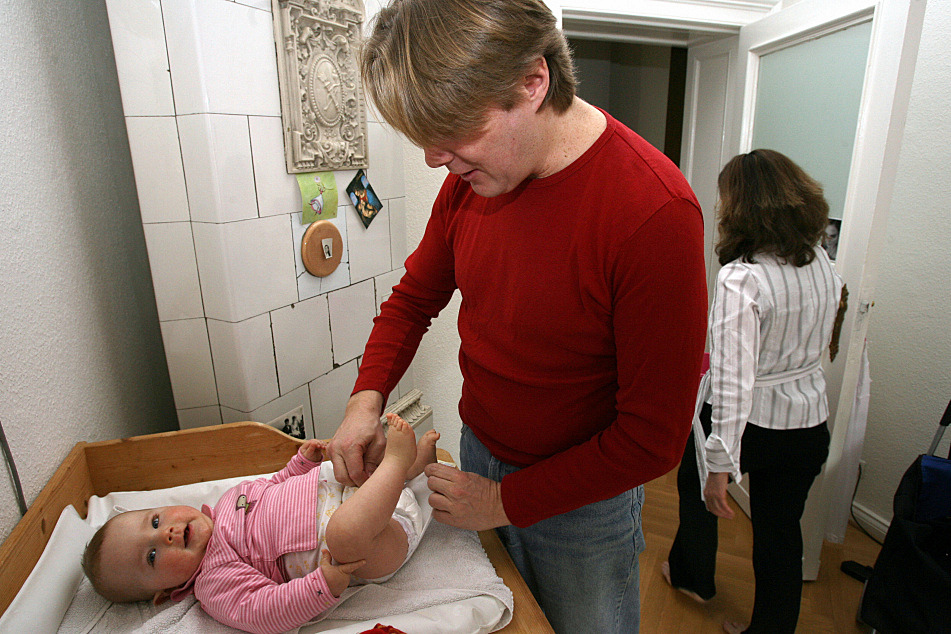
A picture taken April 21, 2006 shows Berlin, Germany resident Nicolas W. changing his 8-month-old daughter at home. JOHN MACDOUGALL/AFP/Getty Images

Listen: Story audio

39min 13sec

Guests
  • Dr Eli J Finkel: Professor of psychology and of management and organizations at Northwestern University
  • Paul Raeburn: Author of "Do Fathers Matter?" chief media critic at the Knight Science Journalism Tracker and blogger at About Fathers for Psychology Today
Parenting is hard work - we've always known that. There are major biological and life changes that occur when you welcome a baby into your home.

Social scientists, however, have been taking a new look at the experience of parenthood. In an article Dr Eli J Finkel in The New York Times, he said the biological changes that a man faces when he becomes a father have long been overlooked:
Although many parents happily take to their new role, millions every year respond with despair. According to a 2010 article in the Journal of the American Medical Association, among new parents -- three to six months postpartum -- 42 percent of mothers and 26 percent of fathers exhibit signs of clinical depression. In a longitudinal study reported earlier this year in the journal Pediatrics, men on average experienced significant increases in depressive symptomatology across the first five years of fatherhood (if and only if they lived with their child). Indeed, in the years after becoming a parent, both men and women experience significant reductions in their overall level of satisfaction with their lives, according to a 2008 paper in The Economic Journal.
Author Paul Raeburn says that beyond the initial transition of becoming a father, science frequently omits the role a father plays in a child's life - be it the role of a sperm donor, a bread winner, a primary caretaker or a relationship that doesn't fit into one category.

Finkel and Raeburn join The Daily Circuit to discuss how becoming a father impacts a man, and what role a father plays in a child's life.

Sunday, August 17, 2014

Michael Brooks - Men Can Be Just as "Maternal" As Women, According to Neuroscience

http://www.newrepublic.com/sites/default/files/u187208/fathersnewstatesman.jpg

"Sometimes science needs to state the bleeding obvious." Indeed, that about sums it up. But the "bleeding obvious" around this topic is not widely believed in the U.S. Women are still considered better care-givers, more emotionally attuned, and more nurturing. Those of us who know single fathers know this is not true.

By the way, this comes from The New Republic, via The New Statesman.

The researchers scanned the brains of parents while they watched videos of their own interactions with their children. What they found is that brain activity increases in two areas (the article did not name the areas and the study is pay-walled):
One is an emotional network that deals with social bonding, ensures vigilance and coordinates responses to distress, providing chemical rewards for behaviors that maintain the child’s well-being. The other network is concerned with mental processing. It monitors the child’s likely state of mind, emotional condition, and future needs, allowing for planning.
In the secondary care-giver, the activity is stronger in the 2nd area, the one focused on planning and monitoring the child's state of mind. In the primary care-giver, the social bonding and distress response area is most active.

Here's the aha! moment: the above was true no matter who was the primary caregiver, the mother or the father (if the father does not have a female partner). In fathers with female partners, whether they are primary or secondary caregivers, "the relative size of the of emotional and thinking responses varied according to how much time they spend looking after the child."

Take home message: "Neuroscience tells us that children who are raised by two fathers experience the same care-giving environment as those raised by a mother and a father."

Support the Anti-Bulling Campaign
Dan Savage (right), his husband Terry (left) and their son, DJ (middle).

Well, damn, this IS bleeding obvious.

Men Can Be Just as "Maternal" As Women, According to Neuroscience

By Michael Brooks
July 25, 2014

Occasionally, scientific research comes up with banal findings that should nonetheless stop us in our tracks. For example, researchers recently published a study showing that a father’s brain will change its hormonal outputs and neural activity depending on his parenting duties. The conclusion of the research is, in essence, that men make good parents, too. Surely this is not news.

Yet it does provide evidence that is sadly still useful. Those involved with issues of adoption, fathers’ rights, gay rights, child custody, and religion-fueled bigotry will all benefit from understanding what we now know about what makes a good parent.

The biggest enemy of progress has been the natural world, or at least our view of it. Females are the primary caregivers in 95 percent of mammal species. That is mainly because of lactation. Infants are nourished by their mothers’ milk, so it makes sense for most early caring to be done by females.

Human beings, however, have developed more sophisticated means of nourishing and raising our offspring. Should the circumstances require a different set-up, we have ways to cope. It turns out that this is not just in terms of formula milk, nannies or day care: We also have a flexible brain.

The new study, published in Proceedings of the National Academy of Sciences, scanned the brains of parents while they watched videos of their interactions with their children. The researchers found that this stimulated activity in two systems of the brain. One is an emotional network that deals with social bonding, ensures vigilance and coordinates responses to distress, providing chemical rewards for behaviors that maintain the child’s well-being. The other network is concerned with mental processing. It monitors the child’s likely state of mind, emotional condition, and future needs, allowing for planning.

In mothers who are the primary caregivers, the emotional system was most active. Fathers who are secondary to a female caregiver were more engaged as thinkers and planners. But men raising a child without a female partner were found to have the same level of emotional response as a mother and the same thinking and planning response as the secondary father. In other words, they are able to perform both roles.

What’s more, for men in both primary and secondary roles, the relative size of the of emotional and thinking responses varied according to how much time they spend looking after the child. To give the child the best care, the brain changes its output depending on circumstances.

Neuroscience tells us that children who are raised by two fathers experience the same care-giving environment as those raised by a mother and a father. Similar studies still need to be conducted on single mothers, non-parents raising children and dual-mother parents but the likelihood is that they, too, will display similar plasticity.

Oregon State University’s Sarina Saturn writes that this will one day be regarded as a landmark study. That is a little depressing—we shouldn’t need scientific research to tell us this. Yet she is right. It will help dispel prejudice, just as the discovery of homosexual activity among animals helped to dispel the myth that this is somehow unnatural. We now know that the brain “is flexible enough to keep up with the times”, as Saturn puts it. Hurrah. Sometimes science needs to state the bleeding obvious.

~ This piece first appeared on newstatesman.com.

Monday, August 11, 2014

PBS Nova - Mind of a Rampage Killer

This is an excellent documentary focused on some of the rampage killers (almost all teenagers) over the last decade or so. PBS assembles quite a group of psychologists and neuroscientists to help us understand (as best we can at this point) why and how they young men become killers.

Mind of a Rampage Killer

Can science help us understand why some people commit horrific acts of mass murder?

Aired February 20, 2013 on PBS


Program Description


What makes a person walk into a theater or a church or a classroom full of students and open fire? What combination of circumstances compels a human being to commit the most inhuman of crimes? Can science in any way help us understand these horrific events and provide any clues as to how to prevent them in the future? As the nation tries to understand the tragic events at Newtown, NOVA correspondent Miles O’Brien separates fact from fiction, investigating new theories that the most destructive rampage killers are driven most of all, not by the urge to kill, but the wish to die. Could suicide–and the desire to go out in a media-fueled blaze of glory–be the main motivation? How much can science tell us about the violent brain?  Most importantly, can we recognize dangerous minds in time—and stop the next Newtown?


Transcript (scroll down)


Participants

  • Paul Appelbaum, Columbia University
  • Joshua W. Buckholtz, Harvard University
  • Cynthia Ebsen, Mendota Mental Health Institute
  • Paul Frick, University of New Orleans
  • John Keilp, Columbia University
  • Liza Long, Mother of "Michael"
  • Karlen Lyons-Ruth, Harvard Medical School
  • Michael Meaney, McGill University
  • Katherine Newman, Johns Hopkins University
  • Miles O'Brien, NOVA Correspondent
  • Steven Pinker, Harvard University
  • Andrew Solomon, Author, Far from the Tree
  • Moshe Szyf, McGill University
  • Martin Teicher, Harvard Medical School
  • Gregory Van Rybroek, Mendota Mental Health Institute
  • Jeff Williams, Andy Williams' Father

Wednesday, July 30, 2014

Teenage Boys - Helping an Endangered Species

I'm not convinced that teen boys are any less capable of hearing, listening, and responding to their parents than their sisters, but that is in part the argument Steven Stosny is making in this entry on his Psychology Today blog, Anger in the Age of Entitlement

Teenage Boys

Helping an Endangered Species

Published on July 26, 2014 by Steven Stosny, Ph.D. in Anger in the Age of Entitlement

In my clinical experience, the biggest complaint I hear from parents of teenage boys is that they are angry.

Teenage girls get angry, too, of course, but they tend to be more amenable to processing emotions and talking them through, which at least gives parents a little more leverage in dealing with them. The testosterone surges that boys experience blunts fear and disinhibits impulses, making them more susceptible to dangerous behaviors that both invoke and result from anger.

Teenage boys need a lot of structure. Both parents need to know where he is and what he’s doing at all times. Don’t fall into the “You don’t trust me,” trap. The issue isn’t trust but a realistic assessment of the dangerous world that adolescents must negotiate with limited pre-frontal cortex development. Before 18, a child does not have sufficient articulation in the judgment and regulatory areas of the brain to be able to see possible consequences of behavior under the stress of powerful impulses. It’s a dangerous combination, even when substances are not at all involved – increased impulsivity with diminished regulatory capacity.

Compassionate parents focus on the long-term well-being of the child, rather than the momentary ego boost of feeling “trusted.” The trick is getting them out of the defensive and into the improve mode of the brain. A good parental rejoinder to “You don’t trust me,” is, “I don’t trust myself enough to know that you will be safe and well without knowing where you are and what you’re doing. So what can you do so that you will have some freedom without me having to worry so much?”

In particular angry teenagers need to learn that:
  • They are part of a family and community which require some emotional investment – in small ways helping the family (chores) and occasional volunteer work in the community
  • Respect for other people’s rights and property
  • Money is a resource that must be managed responsibly.
In general, boys do not auditory-process as well as girls, even when they're not angry. (They hear almost as well, but don’t interpret the meaning of the spoken word as efficiently, not without other sensory modalities engaged.) If you want to give your son instructions or say anything important:
  • Make eye contact and try to touch him while you speak (two or three sensory modalities work better than one)
  • If detail is important, ask him to repeat what you said
  • Use short sentences and give him a chance to respond before going on (never lecture).
It’s easy for boys to get into the habit of automatically tuning out familiar voices, a habit that will cause them serious problems in future close relationships.Habits are much easier to prevent than to alter.

Responsibility

The world is cruel to the irresponsible.

Kids are not naturally responsible –parents or painful circumstances must teach them. Responsibility can be learned by modeling – responsible parents enjoy a better chance of having responsible children – but it also must be taught deliberately. Children can learn responsibility relatively painlessly up to about 13. After that, the life lessons that teach responsibility – mostly in the form of social sanctions and punishments - become more painful. Teaching responsibility to children is one of the most compassionate things parents can do for them.

The key to teaching responsibility is to make sure that your children understand this crucial fact: Power, privilege, and responsibility go together. When responsibility is high, so are the other two. And when it is low, so are the other two.

Teenagers, especially boys, feel powerless a lot of the time. They need to learn that they have the power to affect what happens to them by behaving responsibly. And they need to know in advance exactly how much power and privilege they will lose for specific irresponsible behaviors. That is really the way of the world. When you behave irresponsibly, say speeding or cheating on your taxes, you know in advance what the penalty will be.

Finally, children learn emotion regulation principally by modeling, not by what parents tell them. Like all mammals, the juveniles learn by watching the adults. There is a same sex bias to modelling – the boys watch the men more closely and the girls watch the women more closely, but they watch both parents to learn how to regulate emotions. Anger is an attribution of blame. If parents are blamers, children, especially high testosterone boys, are more likely to have anger problems. (Testosterone doesn't cause anger but it amplifies it considerably.) It's crucial for parents to model responsibility in all that they do, including owning their own mistakes, especially those that relate to disputes with their children.

For more help, see Compassionate Parenting

Related Links