7 Things All Women Need In A Relationship
Jordan Gray - Relationship Coach
12/7/2013

Men and women are at an emotional stalemate.
We feel something’s lacking in our relationships. The majority of men aren’t able to penetrate their women fully, nor are women fully opening to their men.
Women aren’t opening because men aren’t giving them what they need. Women feel disappointed and resentful; they are suffering. When women suffer, and they feel like they aren’t being seen, they close off to their men.
Fortunately, you can learn the right tools to be able to more fully penetrate your woman. You can give your partner what she needs, allowing her to feel seen so that she will open again.
Take the time to read through these needs. Let them sink in. Understanding what you can do to help your partner fully open will not only improve your relationship, but it will improve your entire life.
Here are the seven things that all women want in a relationship.
1. To Feel Loved
When women feel loved, they relax and open to us. The arguments dissipate, the sex is abundant, and their nurturing feminine energy flows throughout our lives.
Not feeling loved is the subtext of every argument that you and your partner have.
If she is unhappy that you are going out with your friends, or she’s upset about her day at work, or she is only responding to you with brief snippets of sentences, then the cause is most likely her not feeling loved enough.
Learn to see through her words, actions, and moods and see what the real root of it is.
2. To Feel Safe
There is a war being waged on women’s self-esteem, sexuality, and safety from a very young age.
Because of the barrage of disempowering messages being sent to women regarding their sexuality, women need to have a safe space where they feel that they can trust their partners.
She wants to trust your strength. She wants to feel like you can handle whatever she shows you.
She wants to feel like you will not judge her if she asks for something risqué. She wants to know you won’t collapse in defeat if she tells you to do it “This way” instead.
By creating a safe space for your woman to open up to you emotionally and sexually, you will be giving her a very powerful gift- you allow her to grow within your relationship and undo old emotional damage.
3. To Feel Seen
Women want to feel seen.
She wants to feel you hearing her, and being aware of her emotional state.
She doesn’t necessarily want you to be affected by her emotional state, but she does want you to be witness to it.
If she is sitting across the room from you and you aren’t picking up on the fact that she is suffering emotionally and on the verge of tears, she will begin to trust you less. She will think, “If he can’t see that I am hurting now, how long will it take him to figure it out? Will I be suffering for days or weeks before he is aware of it or cares enough to help me through this? I guess I have to rely on myself for my own emotional support.”
Life can seem extremely lonely, even within a relationship. You have to constantly show your partner that at least one person will be witness to her and her journey through life. (Hint: that person is you.)
4. To Be Allowed To Be Nurturing
Just as masculine energy has the need to protect, feminine energy has the desire to nurture.
Women want to see the cracks in our armour. They want to see that we trust them enough to open up to them. They want to be able to help us through our sadness.
An integrated, evolved man who has a balanced masculine energy as well as his own sliver of feminine would welcome his woman’s nurturing.
If you are a guy reading this, have you ever held open a door for a woman because it’s the polite thing to do (but more just because she’s a person and it wasn’t even a gender-based act) and she chews your ear off for it? “Oh what? I can’t open the door for myself because I’m a woman?! You sexist pig!”
That is an example of a wounded, unbalanced woman who doesn’t want to accept help from a masculine source. This is exactly how it feels to your partner when you push her away when you feel the most vulnerable. “I don’t need to lay my head down on your chest and tell you about my feelings because I don’t have any!” That is a lie. It’s a lie that serves your purpose of not letting your partner in. This lack of vulnerability and authenticity is what is making you and your partner suffer.
So let her in. She wants to love you.
5. To Feel Sexually Desired
What’s a major difference between your relationship to your partner and your relationship to everyone else in your life? You have sex with your partner.
Women need to feel sexually desired. They want to make sure that you see and appreciate them as a feminine, sexual being.
Praise her body. Feel her and grab her appreciatively. Remind her that you see her as a sexual being and you will both benefit.
6. To Be Appreciated
The feminine in all people responds primarily to praise and appreciation.
Remind your partner that you love her. Tell her that you appreciate what she brings to your life. Show her how much she means to you.
The fastest way to run your relationship into the ground is by ignoring your partner and taking her for granted. Appreciation is the opposite of those things. Appreciation is the embodying this mindset: “I am aware of what you bring to my life, and I want you to be sure that I am aware of it as well.”
So tell her what you appreciate, and tell her often.
7. To Feel Like She Can Count On You
Life gets pretty messy sometimes.
When life’s unavoidable difficulties arise, do you fall apart under pressure or are you able to bend and not break?
Women want to know that we can handle ourselves when life happens. They want to know that we won’t run and hide when they get a bit ‘too emotional’ for our liking. They want to know that they can count on us.
When you tell your partner you’ll do something, and then you don’t do it, it hurts her. She loses a piece of trust in you that has to be earned back. Even seemingly small things break that trust like you saying that you will wash the dishes shortly after dinner, but washing them the next morning instead.
When enough small transgressions like this are sprinkled throughout your relationship, she will distrust you.
Do what you say you will do, be who you say you are, and be consistent in your actions.
What Do Women Want In A Relationship?
Women want partners that care.
Women don’t want perfect partners; they want men who are striving to be their best selves.
She doesn’t necessarily want someone who has every step of his life pre-planned, but she wants someone with drive and with goals.
She doesn’t necessarily want someone who cries every day, but she does want someone who has the courage to cry in front of her when he needs to.
She doesn’t necessarily want someone who stays in therapy for his entire life, but she does want someone who has the courage to face his own emotional demons.
So put in the work. End the stalemate. Decide that you want to be in the kind of relationship that most people don’t have and you want to put in the effort necessary to become that kind of man.
The women of the world are waiting for us. And they want us to step up just as badly as we want them to open up.
Dedicated to your success,
Jordan
Ps. Want do women want in a relationship? Check out my best-selling book Keep Her Captivated: Lead Your Relationship To Its Maximum Potential to become the ultimate relationship partner (and the kind of man that women crave). Not much of a reader? You can check out my video course Fight Less, Love More instead.
Showing posts with label intimacy. Show all posts
Showing posts with label intimacy. Show all posts
Sunday, October 5, 2014
7 Things All Women Need In A Relationship
I tend to flinch when I see headline that proclaims anything about ALL people, or men, or women. There are very few absolutes, if there are any at all. But this seven things on this list are pretty accurate, and I would guess that most men want/need these qualities in a relationship - I know I do.


Tuesday, September 23, 2014
Daniel Genis - A Gentleman's Guide To Sex In Prison
From The Concourse, Deadspin's home for culture/food/whatever coverage - follow them on Twitter: @DSconcourse. In this article from Daniel Genis, the reader gets taken on a rather up close and honest trip through the nature of prison sex. In this author's experience, rape is not as common as one might think, but nearly everything is common.
A Gentleman's Guide To Sex In Prison
It was my understanding that if you declared yourself to be out upon arrival at the clearinghouse called Downstate, they'd send you somewhere safe (unless you yourself were not actually very safe, according to your record). I spent two years in a place like that, called Groveland Correctional Facility. It was a beautiful campus of a prison with a huge gay population. They had to cut the bushes down to discourage some of the activities taking place around them. There were even competing gay gangs. The most established one was led by Becky, who had been in for 35 years and who, it was said, had cut out his lover's heart back when he, Becky, was a teenage girl in a boy's body. There were also plenty of young twinks sunning themselves and plotting evening escapades.But where could they do it? The guards used this quiet and safe prison as a nice place to spend their last few years before retirement, so they knew all the tricks of the trade. The showers were monitored, the bathroom stalls had no locks, and with every year, the vegetation was further reduced. I may never have learned the secret had I not had the pleasure and misfortune of being a library clerk. I remember working on reclassifying the James Pattersons in the Young Adult section one day when I noticed a rhythmic movement out of the corner of my eye. I turned around and there was Dirty Tommy, hard at work with his hand under a table and another fellow with his eyes rolled up to the ceiling. This was too much; they were so close that I was practically a participant. I told Tommy he couldn't ply his trade here, and that I wouldn't let him into the library if this was how he intended to use it, but he was just worried about a certain Aryan Brotherhood member finding out. Apparently Tommy had sworn fidelity to this dangerous, and apparently jealous, fellow. I kept his secret.I have heard countless myths about female correctional officers being unable to resist the enormous sexual appeal of a prisoner and pulling him into a broom closet, but in my 10 years, though it was discussed endlessly, I knew for certain of only two such couplings. The first beneficiary was a guy called Willy, a handsome bodybuilder-type who was in for steroids and a gun. Apparently he had a brief affair with a farm-girl-turned-cop dazzled by his big-city appeal, though the rumor afterward was that she gave him herpes. When I asked about that, he denied it.Then there was Nikos, a Greek murderer who left his wife for a prison nurse. I knew the nurse: She was not a young woman, but she was well preserved. Obviously such liaisons are frowned on by the authorities, who technically deem any relationships between prisoners and staff as statutory rape. After one of the many informants hoping for any kind of break made the relationship public, the nurse chose to keep her job rather than her prisoner boyfriend. He wound up getting transferred as far upstate as it's possible to go.Meanwhile, almost all of the sex that prisoners have with women is done through the Family Reunion Program (FRP), which was a direct result of the prison reforms instituted after the Attica Riot in 1971. I am grateful that I got sentenced into a kinder, gentler incarcerated world. Also, I'm glad I was in New York: Conjugal visits are available in only three states out of 50. (California and Washington are the others.)
As a result, most of the maximum-security prisons in New York, except for the ones considered disciplinary, have modules called "trailers" built into them. These are later additions constructed in the past 30 years, so they look like six-unit motels jammed into the corners of Victorian fortresses. Each of the units has two bedrooms, as most wives come for their visits with children in tow. I once accidentally stepped on a child and was heckled as "Bigfoot" by a gaggle of kids who had surprisingly little apprehension of their bizarre circumstances. There are toys, video games, and a swing set.The second bedroom is obviously for sex. To go on a trailer visit, which is possible about four times a year in prisons close to New York City and much more frequently in the ones near Canada, you have to be a good boy. No serious disciplinary infractions, and do your programs. (Depending on one's crime, there are mandatory classes. I had to take one about substance abuse and another on violence; there are others for parenting and sex abuse. Refusing a mandatory program forecloses any possibility of a trailer visit.) Then come the urine checks—the authorities are aghast at the idea of couples doing drugs together on these visits. The first test comes two days before the visit, then another the morning of your trailer, and once more the second you depart. The middle urine check is so that if the final urine turns up dirty, you can't argue that you did the drugs before going out to see your family.In fact, I did know one couple who spent their trailers shooting dope together; she brought the needles and heroin, and he was on morphine anyway because of cancer, so they got away with it. But most people are more eager for different physical pleasures. I witnessed a little boy locked out of his trailer the moment the wife arrived. The unattended child soon slipped on some ice and gashed his forehead open. When the cops arrived, the prisoner suggested his son be sent to get stitched up in the prison clinic, where they had plenty of experience with this sort of thing. His trailer visit was immediately terminated.My wife and I had no children to worry about; we'd been married only six months at the time I was incarcerated, so we had a lot of making up to do. The trailer visits last up to 44 hours, though it's harder to schedule weekends. Considering the need for at least a bit of sleep, plus the nice outside food that wives are permitted to bring with them (mine brought me lamb and trout and sushi and filet mignon), the big question was always: How many times? The guys in the prison yard who went on trailer visits and had the youth and stamina to really give it a go were endlessly competing. In 44 hours, we all professed to hit double digits; if you removed the obvious braggarts' numbers, it left an average of 14. I found this to be accurate.For the wives, coming to prison to make love to their husbands is not, I would imagine, the ideal vacation. Some have been doing it for 20 years and simply consider it a part of their marriage; my wife always thought of it as a temporary workaround and cried at the end. I also used to return to the cell hollow and depressed. During those 44 hours, you sleep with a woman on a mattress and not a cot with a howling neighbor nearby, and you eat unprocessed food with a loved one, slowly, no cop staring at you because you're dawdling over corn flakes. Forty-four hours is just enough time to feel normal again and then, when they're up, to remind you just how far from normal the rest of your week is.The sex itself ... well, the first time is always awkward. I'll be candid here. After years of masturbation, regular sex feels ... different. But the feel and smell and love of a woman is an indescribable luxury in prison. Touch is something most human beings require, and most touch in prison comes in the form of a frisk or a smack.The FRP was the best thing prison had to offer. Even the men who were not married used to go so they could go eat a steak with their mothers. By the way, "sisters" and "cousins" and "daughters" were technically allowed to visit, but rigorously vetted. There once was big business in sending working girls up to clever guys for trailer visits. My own friend Dmitry boasted of having dozens of "sisters" visit over 20 years. It helped that his mother was a madame, but in any case, those days are over, as all attractive, young female visitors are double-ID'd. The trailers are technically part of the Family Reunion Program, so no girlfriends or "girlfriends" are allowed: only wives with a marriage certificate on record, along with parents and children. (Cousins, too, but those were checked out extra-thoroughly.)There was some sex outside of trailers, of course: I was told tall tales of the female guards at Sing Sing moonlighting in the world's oldest profession back in the '90s (and then being protected by their union when the ring got busted). This is purely anecdotal—I never saw such a thing myself. But I did witness many furtive sexual acts in the jailhouse visiting rooms. Handjobs under the plastic table are de rigueur; if there are children nearby, their eyes stay fixed on the vending machines. Women in skirts sit in men's laps, and in the little yards built for the visitors and prisoners to smoke in, there is a lot of very dirty dancing. Apparently holes are cut in pant pockets for this.But the most extreme case I personally witnessed was with Nikos, the Greek murderer. He had a charming "666" tattooed on his head, but his girlfriend didn't seem to mind. She was no beauty, but she was a real, live woman. They'd begun as pen-pals, and then she started to visit. Unfortunately, he'd already killed one woman to come to prison, so Nikos had no access to trailers. Their courtship took place entirely on the visiting floor (where my wife and I could watch it all unfold), and it culminated in a marriage. Prisons don't like marriages but are obligated by the courts to allow them. If a woman wants to marry a prisoner, the Department of Corrections will make them wait, and take endless HIV tests, and throw all kinds of obstacles in their way, but eventually there will be a wedding (of sorts), and the couple will be officially married. Nikos and his wife managed it, but the consummation of their union required a soda machine.The couple had already done everything possible with hands and even feet (she was a nimble woman), but eventually they realized there was just enough room behind a Pepsi machine for them to hump for a few minutes while the guards gorged on their lunches. My wife and I played lookout, though once they'd gotten started, there really was no stopping them. Unlikely as it may seem, a child was born of this unorthodox and rapid union. They had either the humor or perversity to call the little girl Pepsi.Much later, when Nikos informed his wife about his affair with the nurse, she threw a bottle of breast milk in his face. Sex behind bars comes with enough complications that many prisoners avoid the whole mess altogether.Instead, they masturbate. A friend of mine once made me visualize the rivers of semen that have been flushed away down prison toilets. Not all states allow pornography, somehow getting around the First Amendment, and sex offenders are not allowed to possess it, but there is nevertheless a lot of porn in prison. I have to assume that the publishers of magazines like Fox and Big Black Ass exist purely for the incarcerated market. When the hardest porn around is only a click away, at least in the unincarcerated world, who needs to go to Times Square to buy Screw?
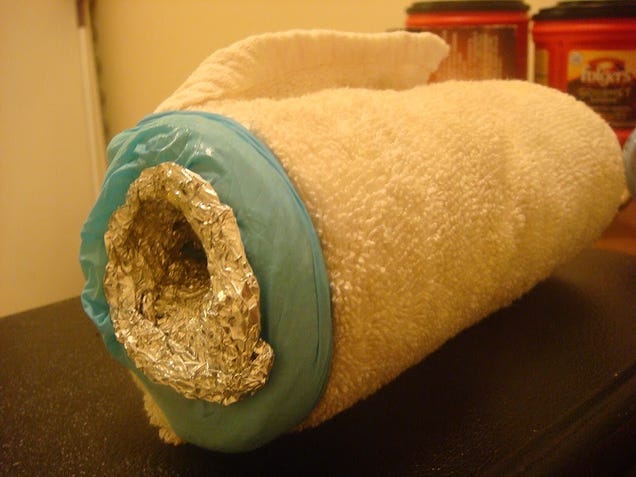
Onanism is not usually a spectator sport, so convicts find various ways of establishing the privacy necessary to rub one out. In medium-security prisons, where men live in dormitories, the last toilet stall is usually reserved for masturbation. If a towel is draped over the top, that's the sign to back off. In maxes, where men live in cells with open bars, usually a sheet is fixed up, covering the view. That is theoretically for defecatory modesty, but the cops know what it really means and love knocking the sheet down with their sticks to embarrass a prisoner. Sometimes they don't succeed—the guys who have decades in possess little shame and don't even hang up a sheet, preferring instead to work out in the open. That is how dehumanization is achieved.There is also a separate anti-masturbation subculture, like a temperance league or a bowling team. These are usually also men who are either very religious or very exercise-oriented—while some believe jerking off is a great sin (notwithstanding their present address), others believe that the release involved results in a lower bench-press weight. The exercisers were usually respected for their self-control, while the hypocrites had porn stuck to their lockers when they were away.As for the rest of us, most men in prison collect pornography with great aplomb and sometimes become completists. A Hasidic Jew I knew had every Buttman ever printed, and Buttman has been coming out for 20 years and costs as much as $20 per issue, new. Obviously, there is a resale market: "Bookmen" in the yard are not guys with the cart from Fiddler on the Roof offering old copies of How to Win Friends and Influence People. (Actually, that book is popular in prison.) Instead, they sneak around the compound with porn hidden in their belts and under their shirts, selling "books" for about a pack of cigarettes each. They sell out, and usually the bookman knows his clientele: He buys up the porn in stacks from those about to go home or die, and picks out what his clients like.Lotions are also in demand, for exactly what you think, but for some, nothing beats the "fifi." It's called a "Suzy" in other prison systems, but it amounts to the same thing: a handmade vaginal substitute. This is accomplished by inserting a bag or glove into a tightly rolled-up towel and filling it with lotion. Then it is tightened up. This leaves a rather unwieldy cylinder for humping, but apparently it works. For extra verisimilitude, an open tuna can is left around. I never used fifis myself, but I know men who swear by them. As you read this, there is someone in a jail cell, staring at an issue of Buttman and bouncing a fifi on himself.This is always a tense subject simply because prison was intended, like the Garden of Eden, to be a place without sex. Sex in prison has not been stamped out; it's still there , whether via the reunion program or illicit visiting-room sex, whether with a "fish" or merely a fifi. It's all sex of one kind or another, but forced into the crooked shapes of incarcerated life. I think it must demonstrate something about human nature. We'll fuck whether you want us to or not. We'll fuck even if all we're fucking is a rolled-up towel filled with lotion, with no more mood in the air than what an open can of chunk light can provide. There's no stopping sex, no locking it away. Organized religion hasn't managed, and neither has the Department of Corrections.
Daniel Genis is working on a memoir of his incarcerated reading life for Penguin/Viking, titled 1,046 for the number of books he read while in prison. You can also follow him on Twitter here and read his other work here.Image by Sam Woolley.The Concourse is Deadspin's home for culture/food/whatever coverage. Follow us on Twitter: @DSconcourse.

Monday, September 1, 2014
Rob Williams - My Sex Supplement Problem
This is an interesting and extremely honest article on the issues men face with sexual performance. Turns out that the best sexual performance enhancer is intimacy.
My sex supplement problem
It started with Viagra in my 20s, but sex became a performance. Could I ever find intimacy without a pharmacy?
Rob Williams
Monday, Sept 1, 2014
(Credit: Piotr Kowalski via Shutterstock)
“There’s something serious you need to know,” I said, pulling my pretty, ambitious 25-year-old girlfriend, Rachel, aside as we walked home from work. I was 33, trying to play the role of confident older man, but I was a wreck. I lit a cigarette. “Sometimes I take supplements — to help myself perform.”
“You mean like Viagra?” she asked. She looked totally calm, even relieved.
“Lately it’s just over-the-counter things, stuff you can buy at the Vitamin Shoppe: ginseng, L-arginine, maca root,” I confessed. “But the side effects keep getting worse. I get a headache every time, no matter how much I cut the dosage.”
“That doesn’t sound so bad,” she said. “I thought you were going to tell me something awful. If the headaches bother you that much, stop.”
Her nonchalance made me even more ashamed. “You don’t understand. Without the supplements, I may not be able to do it.”
She touched my arm and said, “It’s going to be fine.”
I tried to smile. Too often in my 20s, when I’d gone to bed with a woman, I couldn’t perform. Even if I did become excited, I usually got thrown off my game moments later. A touch I didn’t like, a word or glance I couldn’t interpret. Anything that made me think made me wilt.
Everything made me think.
The first time I enlisted pharmaceutical help, I was 28. I had become infatuated with a sexy mortuary science student, a sardonic redhead just emerging from what she called her “drunkenly whoring around New York” phase. Some men might have been irritated by their poor timing. I was actually relieved to get a chance to get to know her better before humiliating myself in bed.
We went slow at first, holding hands on the street, kissing on the subway as the train approached the station. Our chemistry was natural, undeniable. But alone in her bedroom in Park Slope, I fumbled tragically.
I gave up and rolled onto my back, staring at the ceiling. Neither of us spoke or moved. To my surprise, her pheromones in the dark and the stillness of the moment excited me. Maybe I wasn’t doomed after all. I went for it, thrilled that I’d salvaged the situation. But afterward, as we got dressed to go downstairs for dinner, she said, “Phew, we finally got that out of the way. Next time, we can do it properly.”
She was trying to be funny, but it sent me into a neurotic tailspin. At home, I went straight to the computer and ordered a bottle of Viagra from an online pharmacy. I couldn’t let another relationship be spoiled by my body’s unreliability.
I never told her the source of my newfound sturdiness. For a while, I was convinced I’d fixed everything. But she had a confusing tendency to create problems where I thought none existed. She complained that because we both had roommates, we never had enough privacy to be completely intimate. I moved to a one-bedroom apartment in her neighborhood. She began to fixate on abstract considerations, questioning my sincerity. Months and several terrible fights later, she confessed she had borderline personality disorder. I insisted that it didn’t matter. I loved her, and I hoped she would still love me if I ever revealed my own flaws. But I never did. She was already obsessed with the idea that I didn’t really love her. I worried that if I revealed there was a chemical component to our sex life, she would doubt my love more. Instead, we fought. I broke off contact.
I blamed my upbringing for my intimacy problems. My parents were both shy. My father was a Christian theology grad student from upstate New York. My mother, a beautiful painter from Connecticut. Their way of teaching my brother and me about sex was simply to ignore the subject. I was insulted by their vague, sentimental statements about how pregnancy “happens when two people are in love.” Did they really think I was that naive? By the time I was 20, I attributed my own difficulties with women to the timid way they had glossed over “the talk.” Now I knew what I’d always suspected was true: Love was not enough.
I enjoyed dating, but as soon as our clothes came off, I felt like I was standing outside of myself. I was too trapped in my head — all my girlfriends had pointed that out. But what was harder to articulate was that I was also trapped in her head. Of course, I couldn’t really know her thoughts, but I desperately wanted to. So I created my own version, concocting a story about what she was thinking. In it, she never truly desired the same things I did. The woman I invented was either offended, ambivalent or humoring me.
The drugs helped, but sex still seemed like a charade. Not only was I being dishonest with the women I dated, I was also being dishonest with myself. I’d always had fantasies of being totally in control in bed. Instead, I was timid, obsequious. With a woman who identified as submissive, I thought I’d have the freedom to be myself, although part of me feared I was a pervert. I had spent years believing pornography excited me in a way that was impossible in the real world. The voices of feminists I’d read reminded me: “Porn is not reality. It’s degrading. Real women would never enjoy it that way.”
I needed to reinvent myself — and my understanding of women. A month before my 30th birthday, I created an erotic online profile advertising myself as “a copy editor by day, burgeoning dom by night.” I told myself it was an experiment, but it was conceived out of desperation. After 12 years of dissatisfaction in the bedroom, it was either that or celibacy.
After creating my kinky alter ego, I was astonished by the number of women in New York having the same fantasies. In the past, I had worried about “using” women as sexual objects. But in terms of the dominance/submission game, that was not only permissible, it was desirable — for both partners. Having clearly defined roles freed us from the awkwardness of egalitarian lovemaking, so that deeper desires could emerge.
Outwardly, I was happier. I was finally enjoying myself, with more partners. But it was as someone else. At the core, my view of myself had not changed. I still saw sex as a performance. I was an actor, and I relied on a spectacular array of products to ensure I didn’t get stage fright.
Vigorplex, Capatrex, Ejaculoid, Python, Python Extra, Tribulus Terrestris Extract, L-Arginine, L-Ornithine, L-Citrulline, maca root, ginseng, zinc, Super Energy Up. I preferred these so-called natural products because they helped me believe the problem wasn’t that bad. Although I bought Viagra over the Internet, it embarrassed me that it was a prescription drug, even if I was the only one who knew about it. Over-the-counter treatments were easier to rationalize.
No matter what I took — Viagra or ginseng or anything in between — I got subtle, distracting headaches, either that night or the next day. In a way it was worse than if they’d been extremely painful, as if Poe’s telltale heart was throbbing in my head. I experimented with different pills and dosages, always searching for the perfect drug in the perfect amount that would give me the desired result without any side effects.
After three years, I had to admit it didn’t exist. Then I met Rachel, a petite, curly-haired brunette at the office. I gave up my Internet conquests to pursue her instead. She was quiet, slinky, catlike — different than the brash, emotionally unstable women I had dated in the past. We flirted for months. Usually, I considered dating co-workers verboten. The likelihood that my secret shame would be revealed was too great. But with her, I thought, perhaps I would risk it.
We circled each other slowly. I told her about my kinks, my double life on the Internet, the tumultuous way my past relationships had ended. I wanted to be understood. She accepted it all. More than that, she seemed charmed. But for months I stopped short of revealing my deeper anxiety and addiction, because I still feared some things were too embarrassing to talk about.
Even after finding the courage to speak honestly with Rachel, I stuck to my routine, taking a bit of L-arginine before she came over. I didn’t want her to know when my new drug-free life was going to start, in case it changed her attitude in some small way, which might throw me off.
Finally, I switched my L-arginine for sugar capsules. To my surprise, the sugar pills were just as good. Does the placebo effect actually work when you administer the medications to yourself? But after having repeated success with the sugar pills, I couldn’t rationally put the true test off any longer. The next time Rachel came over, I didn’t take anything at all.
My body didn’t know the difference. Everything was as good as it had been with the pills. I was amazed but didn’t tell Rachel yet. I needed to replicate the results to believe it. A week later, as we were lying in bed, I turned to her and said, “I finally did it. No supplements of any kind.”
She rolled onto my chest, smiling at me through long lashes. For the first time, I could believe what Rachel had already known: It was going to be fine. Being vulnerable and accepted by her was more powerful than any drug.
Rob Williams is a writer and editor who lives above a meat market in New York City. Read more of his stories at itmustbebobby.com.
More Rob Williams.

Monday, July 21, 2014
Peg Streep - What Porn Does to Intimacy

Disclaimer - Not all porn is evil, but frequent use of porn can pose serious issues.
This post from Peg Streep's Psychology Today blog, Tech Support, looks at three recent studies on how pornography impacts intimacy in relationships.
What Porn Does to Intimacy
3 studies find that explicit material can do more harm than most people think.
Published on July 16, 2014 by Peg Streep in Tech Support
The rapid proliferation of pornography is one of the digital age’s legacies; some 40 million people in the United States visit porn websites regularly, many of them emerging or young adults. Popular media have capitalized on cautionary tales about porn addiction and stories of boyfriends objectifying their girlfriends and wanting them to behave like porn stars. But studies confirm that the preponderance of young men—and slightly less than half of women—thinks that watching sexually explicit material is okay.

That’s what Spencer B. Olmstead and his colleagues found when they asked college students about the use of pornography in future romantic relationships: 70.8 percent of men and 45.5 percent of women thought they would watch. In contrast, only 22.3 percent of men and 26.3 percent of women thought pornography had no role in a romantic partnership. Men and women tend to disagree on two issues: How porn is watched (alone, in groups, with a sexual partner); and how often it is watched. As Michael Kimmel reported in his 2008 book Guyland, young men often watch porn with their peers and for different reasons than older men. Kimmel writes that “guys tend to like the extreme stuff, the double penetrations and humiliating scenes. They watch it together with guys and they make fun of the women in the scene.” In contrast, older men with more experience either watch by themselves or with a partner, and with what Kimmel calls “wistfulness” about their younger selves; they tend to prefer material “where the women look like they are filled with desire and experience pleasure.”
The Olmstead study found that women’s concerns had more to do with whether consumption of porn was limited than whom it was watched with. Men tend to think that watching porn has only positive consequences.
As reported by Nathaniel Lambert and others in a review of studies, women whose partners watched porn regularly thought less of those partners and saw porn as more of a threat to the stability of their relationship. On the other hand, other studies have shown that young men and women alike think that sexually explicit material can help them explore their sexuality and adds “spice” to what they do in bed.
Is watching pornography really as benign as people think? The following three studies reveal that it has a greater effect on relationships than those we usually discuss.
1. Porn-free relationships are stronger, with a lower rate of infidelity.
That’s what Amanda Maddox and her colleagues found in a study of men and women, ages 18 to 34, who were in romantic relationships. The researchers measured the levels of negative communication, relationship adjustment, dedication or interpersonal commitment, sexual satisfaction, and infidelity. In their study, 76.8 percent of men and 34.6 percent of women looked at sexually explicit material alone; 44.8 percent reported viewing it with partners. They found that people who didn’t view any porn had lower levels of negative communication, were more committed to the relationship, and had higher sexual satisfaction and relationship adjustment. Their rate of infidelity was at least half of those who had watched sexual material alone and with their partners. But people who only watched porn with their partners were more dedicated to the relationship and more sexually satisfied than those who watched alone.
2. Watching porn diminishes relationship commitment.
What these researchers discovered is that watching porn reminds you of all the potential sexual partners out there, which in turn lowers your dedication to the person you’re actually involved with. It also leads you to swap out the person who’s actually lying in bed with you for some fantasy person you’ve never met (and probably never will).
Does that sound healthy?
Nathaniel Lambert, Sesen Negash and others conducted five separate experiments to find out. In the first, they asked participants, age 17 to 26, who were in relationships (as long as three years and as brief as two months) about their porn consumption and measured levels of commitment. They found that porn consumption lowered commitment in both men and women, but with a stronger effect on men.
In their second study, they had independent observers watch videos of couples performing an interactive task—one partner was blind-folded and had to draw something while the other gave instructions. Among the observers, lower commitment was observed among porn users.
The third study only tested participants who had consumed porn. They had half the group give up porn for three weeks. The other half was asked to give up their favorite food, but were allowed to watch porn. The result? Those who had abstained from sexually explicit material showed increased commitment to the relationship at the end of the three weeks.
The last two studies focused on the effect of greater attentiveness to alternatives on potential infidelity and infidelity itself. And yes, people who watched porn were more likely to engage in flirting (and more) outside their relationships in one experiment; and more likely to cheat and hook-up in the other.
3. The fantasy alternative leads to real-world cheating.
In another study, Andrea Mariea Gwinn, Nathaniel Lambert, and others further explored the nature of the other alternatives imaginatively offered up by pornography. They suggested two possibilities: First, that seeing physically attractive and sexually available partners on screen may heighten a person’s perceptions of his own possible partners. And second, that porn may make the idea of multiple sexual partners more appealing—another wound to a committed relationship.
And that’s exactly what they found.
In one study, the researchers found that people who thought about porn they’d watched reported having better alternatives to their current relationship than those who didn’t. A second study showed that, over time, exposure to porn was a robust predictor of infidelity.
More strikingly, the team found that both thinking about possible partners and acting on the impulse to find those alternatives operated separately from dissatisfaction with one's current relationship and partner. In other words, even though one's own pasture may be plenty green enough, just the thought of a greener one can be enough to send one roving.
You might want to keep that in mind if you’ve been watching the hard stuff or if you've become inured to seeing your partner just flip open his laptop "just for fun.”
Pornography is not as benign as you think, especially when it comes to romantic relationships.
1. Olmstead,Spenser B., Sesen N Negash, Kay Pasley, and Frank D. Fincham, “Emerging Adults’ Expectations for Pornography Use in the Context of Future Committed Relationships: A Qualitative Study,” Archives of Sexual Behavior (2013), 42, 625-635.
2. Kimmel, Michael. Guyland: The Perilous World Where Boys Become Men. New York: HarperCollins Publishers, 2008.
3. Maddox, Amanda, Galena K, Rhoades, and Howard J.Markman,” Viewing Sexually-Explicit Materials Alone and Together: Associations with Relationship Quality,” Archives of Sexual Behavior (April 2011), 40, no. 2, 441-448.
4. Lambert, Nathaniel M. and Sesen Negash, Tyler F.Stillman, Spencer B. Olmstead, and Frank M. Fincham, “A Love That Doesn’t Last: Pornography Consumption and Weakened Commitment to One’s Romantic Partner,” Journal of Social and Clinical Psychology (2012), vol.31, no.4, 410-438.
5. Gwinn, Andrea Mariea, Nathaniel M. Lambert, Frank D. Fincham, and Jon K,Maner, “Pornography, Relationship Alternatives, and Intimate Extradyadic Behavior,” Social Psychological and Personality Science, (2013), vol.4, no. 6, 699-704.
Copyright© Peg Streep 2014
VISIT ME ON FACEBOOK: www.Facebook.com/PegStreepAuthor
READ MY NEW BOOK: Mastering the Art of Quitting: Why It Matters in Life, Love, and Work
READ Mean Mothers: Overcoming the Legacy of Hurt
Wednesday, July 16, 2014
More Teen Boys Look for Relationships, Not Flings
PsychCentral reports on a new study from the American Journal of Men’s Health that reveals teenage boys are changing in ways most would never have predicted - they are choosing more secure and honest relationships. But to keep things within the realm of the familiar, they want these relationships within a sexual relationship. Hormones and heart - a big step forward for teen boys.
More Teen Boys Look for Relationships, Not Flings
By Rick Nauert PhD Senior News Editor
Reviewed by John M. Grohol, Psy.D. on July 16, 2014
A new study determines teenage boy’s desire intimacy and sex in the context of a meaningful relationship and value trust in their partnerships.
The finding may be a surprise to those who view teenage males as testosterone-laden aggressors.
Investigators from Columbia University’s Mailman School of Public Health believe the study provides insights into the development of masculine values in adolescence, an area that has been understudied.
The researchers have published their findings online in the American Journal of Men’s Health.
For the study, researchers studied 33 males who ranged from 14 to 16 years of age to learn more about how their romantic and sexual relationships developed, progressed, and ended. The participants were recruited during routine medical visits at a community adolescent clinic that serves low-income, predominately African-American adolescents.
The group’s sexual history began earlier than the national average, putting them at increased risk for sexually transmitted diseases.
Participants were asked open-ended questions about relationships and sex, such as desirable partner characteristics, intimacy, closeness, and trust.
“Prevailing values in our culture suggest adolescent males want sex, not relationships. However, values and behaviors related to sex and relationships are likely more complex than typically portrayed,” said first author David Bell, M.D., M.P.H.
“In fact, very few of the participants described sex as the main goal of opposite-sex interactions and relationships.”
The study advances an understanding of adolescent males’ early relationships in two significant ways.
First, close relationships were important to the participants. Second, they desired intimate and caring relationships, expressed vulnerability and dependence, and placed great importance on trust in relationships.
Few participants described trying to trick or talk a partner into having sex, and few evidenced pride and boastfulness about numbers of sexual conquests. An area of vulnerability expressed by the males was the lack of knowledge about sex and concerns about their own capacity to sexually perform.
These findings starkly contrast with descriptions of older, sexually experienced adolescent males, according to Bell, in which older adolescents consistently endorse the belief that relationships should be focused around sex, an avoidance of intimacy, and the treatment of females as sex objects.
“Our sample was primarily lower-income African-American adolescent males and the results, while not generalizable, are transferrable to similar populations of adolescent males,” noted Bell, who is also medical director of New York-Presbyterian Hospital’s Family Planning Clinic/Young Men’s Clinic.
Investigators will now study the method by which early adolescent masculine beliefs evolve over time toward more predominant masculine beliefs.
These findings can assist clinicians to better address young men’s sexual health needs and incorporate an understanding of adolescents’ developing masculinity into health promotion.
* Source: Columbia University’s Mailman School of Public Health
* Happy teenage couple photo by shutterstock.

Saturday, October 19, 2013
Lisa Firestone, Ph.D. - What's Getting in the Way of Your Sex Life
Dr. Lisa Firestone is the co-author of Sex and Love in Intimate Relationships (2008) and the Compassion Matters blog at Psychology Today, as well as several other books, including The Self Under Siege: A Therapeutic Model for Differentiation (2012) and Creating a Life of Meaning and Compassion: The Wisdom of Psychotherapy (2003).
This is an interesting, though brief, post on the challenges we all can face in our sex lives over time and as we age.
This is an interesting, though brief, post on the challenges we all can face in our sex lives over time and as we age.
What's Getting in the Way of Your Sex Life
Why our sexuality changes and what to do about it
Published on October 15, 2013 by Lisa Firestone, Ph.D. in Compassion Matters
Your sexuality can change a lot throughout one lifetime. It can even change a lot throughout one relationship. Some of these changes can be for the better. Others can feel like they're for the worse. When these changes occur, many men and women tend to take the wrong course of action, shutting up or shutting down. You may shy away from talking to your partner or pull away from a physical relationship you valued. You might lose interest in sex altogether or turn against yourself and your body. When people face these challenges, what they'll often find is that talking about sex, while it may feel uncomfortable at first, can be the key to maintaining a healthy sex life and a positive sense of one's own sexuality.
So what are some of the changes that impact a person's sex life? These shifts can be physical or related to age. They can even be caused by medications that strongly affect one's sexual feelings and performance. Although these are often natural alterations that our bodies go through over time, people tend to view them as embarrassing or something to be kept secret. However, the opposite is true.
Talking about these changes, be it with your partner, a friend or your doctor can lead to more understanding and self-compassion and allows you to maintain a satisfying sex life. As your body changes, you can choose to take a healthy approach to these shifts without turning on yourself and giving in to your "critical inner voices," allowing them to tear you down or make you feel insecure. It's important not to listen to what your inner critic tells you about these changes or to allow yourself to shut the door on your sexuality.
In addition to physical adjustments, people of all ages often face an onslaught of psychological influences that can hurt their sexuality. This can have a lot to do with the critical inner voice, which every person possesses. When it comes to sexuality a person's inner critic often comments on their performance, their bodies or what their partner is feeling or not feeling. This "voice" keeps people in their heads instead of in their bodies.
When it comes to sex, most people tend to feel there are a lot of "supposed to's," as if they are supposed to perform this way or feel that way in a sexual encounter. These expectations are fueled by the critical inner voice and can lead people to feel self-conscious, insecure or disconnected when being physically affectionate. Many people can also be critical of their appearance, viewing themselves as too old/fat/unattractive/uncomfortable for sex. With all its input, your inner critic can negatively influence your sexual relationships and eventually prove the false notion that passionate relationships can't last long-term.
The truth is that intimate relationships don't have to lose their excitement. However, as people get closer, they tend to struggle with maintaining an alive and satisfying sexual relationship. Many people find it difficult to combine emotional intimacy and deep loving feelings with passionate sexuality. One reason this can occur, albeit mostly unconsciously, is that old issues from their past begin to surface. People may even start to experience "critical inner voices" about their sexuality that hold familiar themes from their past. For example, if you were hurt or rejected by the people who cared for you, you may have grown up feeling there is something wrong with you on a bodily level. You may have thoughts like "you are so unattractive, he/she is repulsed by you." If you felt a lack of affection as kids, you may feel desperate for affection as an adult, having thoughts like "you need to be aggressive. he/she is not going to come toward you." If you felt intruded on, you may have a tendency to pull away when someone gets close, thinking "he/she is so hungry towards you; you don't really want this."
When people start to get into their heads during sex, they lose a sense of connectedness to their partner. When they feel this distance, the sexual experience often doesn't feel as satisfying or worthwhile. With their head flooded with self-critiques and attacks on their partner, they may start to think about just getting through the sexual situation instead of enjoying it. Emotional closeness is the most important aspect of physical intimacy. Therefore, it becomes all the more important to bring your struggles to light and talk about what's going on.
When changes occur in you, be them physical or emotional, it can also affect your partner's feelings about him or herself. It may trigger critical inner voices in them like, you are bored with them or that they're unattractive to you, etc. Talking to your partner and exposing the destructive attitudes of your critical inner voices can bring you back to yourselves and can reestablish the closeness between you and your partner. Closeness, self-esteem and open communication are essential to lasting, healthy sexuality. They are also the biggest factors in sexual satisfaction.
When you open up to your partner about what's going on in your mind in regards to your sexuality, you allow him or her to know you on a deeper level. In a certain sense, conversation can be foreplay, as it allows a couple to feel for each other and get closer. While it may feel awkward or unnatural at first, very often, when they do open up and talk about it, there are major, surprising shifts in a couple's sexual relationship.
Too often, people let years pass without having a conversation about their sexuality. In addition to talking to your partner, you can confide in a close friend or a therapist. It's all too easy to feel alone in your struggles, but you'd be surprised at how many people relate to exactly what you're going through. Staying silent leaves room for your critical inner voices to fester and will make you feel worse and even like giving up on your sexuality. The more you talk, the better you are likely to feel, and the quieter the noise in your head can become.
When it comes to sex, the optimal experience involves feeling emotionally close to your partner, in touch with your body and in the present moment. I have found that by identifying and challenging destructive thought processes or critical inner voices that interfere with closeness and optimal sexual functioning, people can learn to combine love and sexuality and achieve that special combination that is so desirable in an intimate relationship. Taking a chance and talking to your partner can be the first step to achieving this goal.
Read more from Dr. Lisa Firestone at PsychAlive.org
Dr. Lisa Firestone will be presenting a weekend workshop on "Creating a Loving Relationship" Nov. 8-10 in Ojai, CA. The event is open to individuals and couples. Learn more here.
Read Dr. Lisa Firestone's book, Sex and Love in Intimate Relationships.

Thursday, October 10, 2013
Does Anybody Actually Know What "Sexual Satisfaction" Is? (from Nerve)

From Nerve Magazine, this article reviews a new study from the Journal of Sex Research on the nature of sexual satisfaction and whether or not any of are actually feeling satisfied. Here is an important, if flippant, quote from the beginning of the article:
What, exactly, is sexual satisfaction? (x thrusts? y more orgasms? z times more humpage?) How do we know when we’ve reached the apex of satisfaction, and more importantly, will there be a rain of colorful confetti on our heads when we get there?Indeed.
The answer is, as with many sexy things, deeply subjective.
As one might expect, some respondents defined satisfaction in terms of their own experience ("personal sexual well-being"), while others described satisfaction as more about the interplay between the two people involved ("dyadic processes," "what happens between two people").
It's worth noting that this study was conducted in Portugal, with 449 women and 311 men, and a mean participant age of 36.05 years (SD = 8.34, age range: 20 to 69). Are Portuguese more romantic (on average) than Anglo cultures? The sample was highly educated (574 participants [75.4%] possessed at least an undergraduate degree and 81 [10%] were current undergraduate college students - the remaining participants [14.6%] had fewer than 12 years of education), so does that skew the results one way more than an another?
I would like to know what the breakdown was for male and female subjects in relation to the two orientations they identified. It seems strange that they did not include that information, or if there was a difference between the married couples and unmarried couples, or if the young people responded differently than the other people.
Still, it's interesting research.
Does Anybody Actually Know What "Sexual Satisfaction" Is?
A new survey finds what we actually mean when we talk about being sexually satisfied.
BY KATE HAKALA
October 2, 2013
Sexual satisfaction has long been thought to be a barometer for your overall relationship. But we’re in a constant state of wanting an unquantifiable amount more of it. You’re hit with about fifty-quadrillion ads a day boasting “10 Ways To Get More Sexual Satisfaction” or “5 Secrets of a Sexually Satisfied Man/Woman/Whatever”. That’s all well and good, except for one tiny glitch: Um, what, exactly, is sexual satisfaction? (x thrusts? y more orgasms? z times more humpage?) How do we know when we’ve reached the apex of satisfaction, and more importantly, will there be a rain of colorful confetti on our heads when we get there?
The answer is, as with many sexy things, deeply subjective.
In a recently published study, The Journal of Sex Research gathered the written responses of 449 women and 311 men in committed relationships to answer the question, “How do you define sexual satisfaction?” Because, who better to ask what defines sexual satisfaction than normal ole regulars? The results were varied, but they were split into two themes: personal sexual well-being and dyadic processes (aka what happens between two people). The study put together this map, breaking down the themes of responses:
via Journal of Sex Research
So what do our fellow lay people have to say?
“Pleasure” and “Mutuality” were the top two response themes, often given together. About half of the 760 responses included “pleasure” in their definition, but not all were referring to pleasure as an orgasm necessarily. Pleasure had a much more fluid connotation, apart from ejaculation or a physical climax in light of satisfaction. “Satisfaction with one’s sexual life as a whole. It does not imply necessarily to reach orgasm, but it means to have as much pleasure as possible,” said one respondent.
For respondents who skewed on the more personal/selfish side of answers, only a few participants in the study mentioned “desire”, “arousal”, or “orgasm” in their definitions of sexual satisfaction—you know, actual stages of the Masters and Johnson sexual response cycle. On the “shared experience” side of the spectrum, “mutuality” was the buzzword in most responses, with a partner’s pleasure being just as key in one’s own pleasure—take that, orgasm gap.
Our personal and relationship satisfaction seems just as important when we’re choosing the language with which to describe sexual satisfaction. Some other choice definitions of sexual satisfaction from the survey included: “the acknowledgement that our mutual understanding takes a material bodily form” and “physical and emotional satisfaction”.
Okay, sure, but shouldn't there be a number? Can't we quantify how many times we have to bone a week to feel satisfied? While frequency was often cited in a definition of sexual satisfaction, there was no concrete number ever named. Rather, “accomplishing a balance between one’s own and one’s partner’s desired frequency” was the goal for satisfaction. “As much sex as we want” is an ephemeral definition of satisfaction, but it's more comforting than an arbitrary "normal" number.
Since 760 definitions are a lot to digest, I created a word cloud of some of the participants' responses:
As you can see, the heavy-hitters that define satisfaction here are "feel", "pleasure", "activity", "relationship", "partner", and coming in last, "orgasms". Note that "every day", "huge penis", "big boobs", "erections", "wet", "with many people", "as much as Brad and Angelina", and "more often than my friends" aren't on this list—clear cut proof that what really matters and what actually satisfies us has nothing to do with the feelings of inadequacy, awkwardness, or competition so intrinsically tied to how we advertise "sexual satisfaction". Even talk of dysfunction or negative feelings ("He couldn't get it up," "She doesn't want to have sex," "I'm not attracted to them,") are completely absent from these definitions. What we really conceive as sexual satisfaction didn't come down to a number or what we lack, but only what we have. Pure, sex-positive pleasure.
The ultimate definition the study came up with was, “The emotional experience of frequent mutual sexual pleasure.” I'd say that's about as good as any.


* * * * *
For those who would like to see the original article, the Journal of Sex Research has made the full article available online.
Patrícia Monteiro Pascoal, Isabel de Santa Bárbara Narciso, and Nuno Monteiro Pereira
Abstract
Sexual satisfaction is an important indicator of sexual health and is strongly associated with relationship satisfaction. However, research exploring lay definitions of sexual satisfaction has been scarce. We present thematic analysis of written responses of 449 women and 311 men to the question “How would you define sexual satisfaction?” The participants were heterosexual individuals with a mean age of 36.05 years (SD = 8.34) involved in a committed exclusive relationship. In this exploratory study, two main themes were identified: personal sexual well-being and dyadic processes. The first theme focuses on the positive aspects of individual sexual experience, such as pleasure, positive feelings, arousal, sexual openness, and orgasm. The second theme emphasizes relational dimensions, such as mutuality, romance, expression of feelings, creativity, acting out desires, and frequency of sexual activity. Our results highlight that mutual pleasure is a crucial component of sexual satisfaction and that sexual satisfaction derives from positive sexual experiences and not from the absence of conflict or dysfunction. The findings support definitions and models of sexual satisfaction that focus on positive sexual outcomes and the use of measures that incorporate items linked to personal and dyadic sexual rewards for both men and women.
Sexual satisfaction is considered an important component of sexual health, a sexual right, and an outcome of sexual well-being (World Health Organization, 2010). Within the field of couples research, various authors (e.g., Fincham, Beach, Vangelisti, & Perlman, 2006; Gottman & Silver, 2007) have emphasized the interaction among sexuality, communication, and conflict within the couple. Not only can sexual problems reflect difficulties with power management, communication, and conflict within the couple (Metz & Epstein, 2002), they are strongly related to relationship dissatisfaction (McCabe, 1999; Rowland, van Diest, Incrocci, & Slob, 2005). In this field of research sexual satisfaction is a central dimension in the study of relationship quality, classified as the “barometer for the quality of a relationship” (Sprecher & Cate, 2004, p. 241). Therefore, the understanding of the meaning of sexual satisfaction within the context of dyadic heterosexual committed relationships is crucial.
As McClelland (2010) pointed out, the study of sexual satisfaction is still in its infancy, and most research has been conducted using self-reinforcing definitions of sexual satisfaction and single items to measure the construct of sexual satisfaction. Sexual satisfaction has also been mainly studied within the context of heterosexual committed dyadic relationships. Within this relational context, several quantitative studies have demonstrated that sexual satisfaction is related to sexual functioning (Frank, Anderson, & Rubinstein, 1978; Heiman et al., 2011), sexual frequency (Baumeister, Catanese, & Vohs, 2001; McNulty & Fisher, 2008; Smith et al., 2011), sexual communication (Byers, 2011), relationship satisfaction (Sprecher, Christopher, & Cate, 2006), nonsexual physical intimacy (Heiman et al., 2011), and emotional intimacy (Rubin & Campbell, 2012). Even though these correlates seem well established by quantitative studies, our literature review revealed three problems in the study of sexual satisfaction: scarce conceptual definitions of sexual satisfaction, few theoretical models for the understanding of sexual satisfaction, and inconsistency in the indicators (e.g., frequency of orgasm) used in different measures of sexual satisfaction.
Some definitions of the concept of sexual satisfaction are global, vague definitions that stress the subjective appraisal of one's current sexual relationship without specifying any indicator (Lawrance & Byers, 1995, p. 268; Sprecher & Cate, 2004, p. 236). Existing theoretical models of sexual satisfaction stem mainly from social exchange models (e.g., Lawrance & Byers, 1995; Peck, Shaffer, & Williamson, 2004), and most research on sexual satisfaction lacks a theoretical framework through which results can be integrated. Finally, despite these shortcomings, there are several measures that assess sexual satisfaction, most of them not based on theory and without a clear definition of the concept of sexual satisfaction (for exceptions, see the Global Measure of Sexual Satisfaction by Lawrance & Byers, 1995; and the New Sexual Satisfaction Scale by Stulhofer, Busko, & Brouillard, 2010). Existing measures also focus on different underlying implicit approaches to sexual satisfaction, meaning that researchers have differed in their implicit operational definitions of sexual satisfaction. For example, there are measures based on different indicators, such as (a) the absence or presence of clinical criteria for the diagnosis of sexual dysfunctions (Rust & Golombok, 1985, 1986); (b) the quality of communication and conflict management (Hudson, Harrison, & Crosscup, 1981); (c) relationship closeness and global satisfaction with sexuality (Wiegel, Meston, & Rosen, 2005); (d) the integration of individual and relationship correlates of sexual satisfaction (Stulhofer et al., 2010); (e) affective responses resulting from a subjective evaluation of several sexual dimensions of a relationship (Lawrance & Byers, 1995); and (f) gender specificities (Meston & Trapnell, 2005; Pinney, Gerrard, & Denney, 1987). As most of the existing measures were developed based on researchers’ understandings of the construct of sexual satisfaction, rather than laypeople's understanding of the term, we do not know if the researchers’ conceptualizations represent colloquial understanding of the concept. These shortcomings compromise the building of a solid and consistent body of knowledge about the concept of sexual satisfaction and preclude comparability among studies.
Current Study
Even though sexual satisfaction has a central role in the study of sexual health and couples’ satisfaction, the literature reveals a particular lack of qualitative research on the meanings of sexual satisfaction (for a review, see McClelland, 2010).
In line with previous research on the definition of sexual terms (Byers, Henderson, & Hobson, 2009), the goal of this exploratory study was to investigate lay definitions of the concept of sexual satisfaction. Through an online survey, we asked both men and women who were in committed, cohabitating, heterosexual relationships for their definitions of sexual satisfaction. Using thematic analysis, the present study explored these written definitions of sexual satisfaction as a first step in filling the gaps in this area of research.
Developed within a postpositivist paradigm and within the theoretical frame of family systems, which advocates that human systems are complex and interinfluential, our main research question was this: “How do individuals in committed, exclusive, heterosexual relationships define sexual satisfaction?”
Method
Recruitment
The present study was based on a convenience sample from a large online study about sexual satisfaction. The sample was collected using snowball sampling methods. The principal researcher sent e-mails to acquaintances, colleagues, and students, inviting them to participate in the study and directing them to the informed consent page. To be included in the present study, participants had to (a) be older than the minimum consent age of 18; (b) have Portuguese as their first language; (c) be heterosexual; (d) be in a committed, exclusive relationship for at least one year; and (e) be cohabitating with their partner. The survey was conducted between January and April 2008.
Participants
A total of 760 participants, 449 women and 311 men, completed the online questionnaire. All participants were from Portugal, and the majority lived in the Greater Lisbon area (n = 461; 57.8%). The mean participant age was 36.05 years (SD = 8.34, age range: 20 to 69). There were 422 (56%) married participants and 338 (44%) participants living in common-law relationships. The mean duration of marriage was 9.95 years (n = 422, SD = 8.25, range: 2 to 39), and the mean duration of common-law relationships was 4.65 years (n = 338, SD = 8.2, range: 2 to 29). The sample was highly educated, with 574 participants (75.4%) possessing at least an undergraduate degree and 81 (10%) current undergraduate college students; the remaining participants had fewer than 12 years of education.
Procedure
The survey was approved by the university ethics committee. First, 30 individuals, all known by the principal researcher (colleagues, acquaintances, and friends), piloted the full survey and evaluated the interface, visual display, length, and comprehensibility of the instructions and survey items. The online survey was administered by a technician who had a username and password to access the server that was updated regularly and checked for potential intruders. No personal information was collected that could identify the participants and no Internet Protocol (IP) addresses were recorded. The informed consent page had information concerning the nature and aims of the study, the names and positions of the researchers, anonymity and confidentiality (e.g., nonrecording of IP addresses), inclusion and exclusion criteria, compensation, and contact details for the principal researcher.
The participants initially completed a background questionnaire assessing demographics (e.g., sex and residence) and history variables (e.g., existence of sexual problems and history of previous cohabitation). The participants then completed a series of questionnaires that are reported elsewhere (Pascoal, Narciso, & Pereira, 2012, 2013). At the end of the questionnaires, the participants were asked to respond to four open-ended questions concerning their sexuality. In the present study, answers to only the first question were analyzed: “How would you define sexual satisfaction?”
We included open-ended questions throughout the survey to control for attention, commitment, and motivation (e.g., What is your profession?) and consistency in the responses (e.g., How many children do you have? versus Do you have children?). Two members of the research team independently examined responses to these questions to determine problematic responses (e.g., jokes or derogatory language). When problematic responses were detected, the participants were excluded to increase the validity of the study. There were 22 (3%) problematic responses. There was 95% consistency in the researchers’ evaluation of problematic responses. Missing answers were highlighted so that individuals could have the opportunity to complete the survey and not miss questions unintentionally. On average, individuals took 40 minutes to complete the survey. The dropout rate was 40% and occurred, on average, 25 minutes after starting the survey. There was a final debriefing page that included information on public resources that participants could contact if they had experienced psychological or emotional distress during the completion of the survey. Only four participants did not answer the question about the definition of sexual satisfaction.
Data Analysis
We used QSR (2011) Nvivo9 software to store, explore, and organize the qualitative material. The data set used in the present analysis constitutes the written answers to our question “How would you define sexual satisfaction?” We used Braun and Clarke's (2006) approach to thematic analysis to identify themes in participants’ written definitions of sexual satisfaction and to build our thematic map (Figure 1). We adopted a realistic approach, looking for semantic themes across the whole data set. Specifically, we followed their six-phase method for thematic analysis to describe how patterns of meaning combined into broader conceptualizations/themes. The main themes, subthemes, and codes presented were found after repeated reading of the written definition, paying careful attention not only to patterns of themes across definitions but also to contradictions, ambiguity, and inconsistencies both within and across the definitions. We organized our themes hierarchically in three levels of analysis. At the first level are the codes that we identified across the data set. At the second level are the subthemes, where different codes were combined because they shared an underlying meaning. Subthemes are also called themes within a theme, because subthemes can be identified within the third, and last, level. At the third level, are the main themes: less concrete, more global and abstract (Strauss & Corbin, 1998). The principal researcher and an undergraduate trained rater in qualitative methodology coded the data independently. When disagreement occurred, a specialist in qualitative methodology and family psychology was consulted until a consensus and agreement was reached. We then established our final thematic map (Figure 1).
Figure 1 Thematic map of written definitions of sexual satisfaction.

Results
Thematic Analysis
In the initial phase of the analysis (data familiarization) we found there were two distinct types of answers: the short, straightforward definition, and more complex answers in which different concepts were intertwined and adjectives and examples were used to enrich the definition. Some examples of more complex definitions (those that included more than one code, or where different codes were present to express a more global concept) are presented later in this section.
In the early stage of the analysis, we found the following codes at the first level: positive feelings, pleasure, orgasm, sexual openness, arousal, desire, romance, expression of feelings, mutuality, creativity, and acting out desires (for a brief description of codes, see Table 1). After repeated reading of participants’ written definitions we grouped the first-level codes into different broader themes based on a shared underlying meaning. Positive feelings, pleasure, orgasm, sexual openness, arousal, and desire were grouped under the main theme of personal sexual well-being because these codes reflect an individual's subjective positive sexual experience. The remaining first-level codes were grouped under three distinct second-level themes, all of which were grouped under the main theme of dyadic processes. Therefore, dyadic processes is comprised of three subthemes: intimacy, frequency of sexual activity, and ludic sexuality. Among those, intimacy includes the first-level codes romance, expression of feelings, and mutuality, and ludic sexuality includes first-level codes creativity and acting out desires (for a graphic representation of the relation between codes, subthemes, and themes, see Figure 1). Participants’ most frequent codes were pleasure and mutuality, and these appeared very often intertwined with each other.
Personal sexual well-being
The codes grouped under this main theme (positive feelings, pleasure, desire, orgasm, sexual openness, and arousal) represent meanings of sexual satisfaction that focus on individual positive physical and emotional experiences that are not strictly dependent on the existence of a sexual partner. Almost half of the participants referred to pleasure to define sexual satisfaction. Among these, it was common to find participants who specifically associated pleasure with positive feelings and also those that differentiated pleasure from orgasm. An example that illustrates the first aspect was: “To feel pleasure, not having prejudice, and to experience happiness in the end” (man, 60 years old, coded for pleasure, sexual openness, and positive feeling). The following examples illustrate the second aspect: “the ability to experience pleasure even if it is not translated into an orgasm, but the orgasm feeling persists over time” (man, 42 years old, coded for pleasure and orgasm) and “satisfaction with one's sexual life as a whole. It does not imply necessarily to reach orgasm, but it means to have as much pleasure as possible” (woman, 31 years old, coded for pleasure and orgasm).

In contrast, only a few participants mentioned desire, arousal, and orgasm in their definitions of sexual satisfaction, three codes which represent phases of the traditional model of sexual response but which here appeared linked to dyadic processes (e.g., mutuality). Finally, a small number of participants included individual sexual openness to define sexual satisfaction, and this code appeared mostly as an individual characteristic that was a facilitator to experience sexual satisfaction.
In the main theme of personal sexual well-being, the codes that defined sexual satisfaction appeared as parts of definitions which included other codes that were grouped under the main theme of dyadic processes.
Dyadic processes
Dyadic processes was a main theme in which we included the definitions of sexual satisfaction that imply being in a relationship. Integrated within this main theme at the second level were intimacy, a subtheme which aggregates the codes usually associated with being in a close relationship; frequency, which refers to the frequency of sexual activity between two partners; and ludic sexuality, a subtheme in which the codes included accentuate the playful components of sexuality that are not necessarily dependent on being in a close relationship (see Table 1).
Within the main theme of dyadic processes we also found definitions where different codes belonging to this main theme were intertwined. Mutuality, which is integrated in intimacy, was the code to which most participants referred. Participants’ use of mutuality was usually intertwined with other first-level or second-level themes that belonged to dyadic processes, such as the second-level theme frequency, e.g., “Compatibility between habits, preferences, desire, and frequency” (man, 40 years old, coded for mutuality, desire, and frequency), expression of feelings and frequency, e.g., “Sex, not only for sex, but sex for [expressing] love, preferably with frequency but always when there is mutual need and with a lot of tenderness” (man, 36 years old, coded for expression of feelings, frequency, desire, and mutuality); mutuality and ludic sexuality, e.g., “To feel well with yourself, to satisfy your needs and desires and to satisfy the secret desires and needs of one's partner” (woman, 30 years old, coded for acting out desires and mutuality); or “To be able to fulfill my own and my partner's desires, to be an instrument to her private and secret desires” (man, 47 years old, coded for acting out desires and mutuality).
Complementarity between main themes
Within each main theme, complex definitions of sexual satisfaction included the complementarity between the subthemes and codes that were integrated in that same main theme. We would like to highlight that most complex definitions were characterized by presenting personal sexual being codes complemented by dyadic processes’ codes and subthemes, our two main themes. The following quotes ad verbatim are examples of definitions where different codes and subthemes from both the main themes of personal well-being and dyadic processes were intertwined and complement each other: “ … orgasm; the pleasure I give and that I receive, the bond we feel during and after [sex], the seduction, the exploration, the discovery of new pleasures and situations, with no shame, with trust and self-disclosure, feeling gradually more at ease” (woman, 36 years old, coded for orgasm, pleasure, mutuality, expression of feelings, creativity, sexual self-confidence, and romance); “To give yourself away, relaxation, eroticism and romance in order to experience unique pleasure” (man, 41 years old, coded for positive feelings, romance, and pleasure); and “Physical and emotional satisfaction, the feeling to be just one, the acknowledgment that our mutual understanding takes a material bodily form” (woman, 30 years old, coded for expression of feelings and mutuality).
Discussion
Research on sexual satisfaction has been increasing in recent years. However, studies have been mainly quantitative, the concept has not been consistently defined, there are few theoretical models developed to understand it, and there are many diverse measures that take different approaches to the concept. In the present study, we explored the colloquial meanings of sexual satisfaction, taking a qualitative approach to start to fill in these gaps in the literature on sexual satisfaction.
As with other research concerning written definitions of sexual constructs (Shaughnessy, Byers, & Thornton, 2011), we found a diversity of meanings attached to the concept of sexual satisfaction. In relation to our research question, our findings support the existence of two main themes that define sexual satisfaction: personal sexual well-being and dyadic processes. The connection between the main themes is consistent with family systems theory because it demonstrates that sexual satisfaction within committed relationships is a two-dimensional concept where personal and relational dimensions are interinfluential.
Examining the definitions of sexual satisfaction grouped under personal sexual well-being revealed pleasure as the main subtheme. Pleasure was usually intertwined with the most prevalent code grouped under dyadic processes: mutuality. The participants emphasized that satisfaction comes from mutual pleasure. These definitions emphasized the relevant role of orgasm for a sexually satisfying experience; however, the results also stress that mutual pleasure is more than simply the experience of simultaneous orgasm. Pleasure is a sexual motive (Meston & Buss, 2007) that has not been sufficiently clarified or defined in previous models of sexual satisfaction (e.g., Basson, 2000). Consistent with other researchers, we believe the concept of pleasure requires further clarification (Rye & Meaney, 2007), and its role in sexual satisfaction should be examined due to the relevance of sexual satisfaction for sexual health. Our participants’ definitions included aspects of the traditional model of sexual response (desire, arousal, and orgasm), but these codes were not used frequently by our participants. Furthermore, our results demonstrate that even though sexual functioning is part of sexual satisfaction for some participants, this should be seen from a dyadic process approach, as most definitions of sexual satisfaction stress the importance of pleasure, desire, and arousal as a mutual experience.
The World Health Organization (2010) emphasizes sexual health as a state of well-being. Similarly, our findings do not support the definition of sexual satisfaction as simply the absence of dysfunction or negative emotions. Under the main theme of dyadic processes, frequency of sexual activity was another important subtheme in participants’ definitions. Consistent with previous research (Higgins, Mullinax, Trussell, Davidson, & Moore, 2011; Smith et al., 2011), some men and women noted that frequent sexual activity was important to their sexual satisfaction. However, there was no mention by the current participants of concrete numbers to identify a satisfactory average frequency. According to our results, accomplishing a balance between one's own and one's partner's desired frequency of sexual frequency is necessary to achieve sexual satisfaction, rather than a specific number or regularity of sexual encounters.
Expression of feelings was not a common code, but its presence seems to support the literature that highlights sexual satisfaction as the barometer of relationship satisfaction (Sprecher & Cate, 2004). As discussed, participants’ most frequent themes were pleasure and mutuality, which were very often intertwined. Therefore we propose that for heterosexual people in an exclusive dyadic, cohabitating relationship the concept of sexual satisfaction could be defined as the emotional experience of frequent mutual sexual pleasure.
Existing models of sexual satisfaction are mainly derived from interpersonal exchange models. Within the subtheme of intimacy, our results indicated mutuality as a code of special relevance. This result is supportive of the social exchange theory and the role specified by Byers, Wang, Harvey, Wenzel, and Sprecher (2004) of the perceived balance between partner exchanges (i.e., mutuality) to achieve sexual satisfaction. The vast majority of the current participants’ sexual satisfaction definitions focused on the positive aspects of sexuality (e.g., pleasure, well-being); in other words, they focused on rewards rather than on the absence of negative aspects or sexual costs. These findings are partly supportive of social exchange models, but they seem to indicate that sexual satisfaction relates more to the presence of positive aspects of sexual experience (i.e., sexual rewards) than to the absence of negative aspects (i.e., sexual costs). Theoretical models and measures of sexual satisfaction seem to be more in accordance with people's meanings of sexual satisfaction if they focus on the positive aspects of sexual satisfaction. Our results also highlight some aspects that have not been consistently addressed in existing models and measures of sexual satisfaction, namely, the two codes under the subtheme ludic sexuality: creativity and acting out desires. These codes are not dependent on having a committed close relationship and may be one example of a dyadic process necessary for sexual satisfaction that is applicable to different types of dyads (e.g., dating and one-night stands).
Concerning the diversity of existing measures of sexual satisfaction, the overall finding of a two-dimensional definition of sexual satisfaction is consistent with a few operational definitions of sexual satisfaction used in prior research (e.g., Meston & Trapnell, 2005; Stulhofer et al., 2010). Our study revealed that both women's and men's meanings of sexual satisfaction are embedded in a net of relational (dyadic processes) and individual (personal sexual well-being) concepts, which reinforces the use of measures that focus on both individual and relational aspects of sexual satisfaction for both genders (e.g., Stulhofer et al., 2010). The inexistence of definitions that mention lack of dysfunction or relational conflict suggests that items addressing these issues may not be the most appropriate to assess sexual satisfaction. Measures that focus on the positive aspects of sexual satisfaction should be preferred for research purposes with nonclinical samples of heterosexual individuals in a dyadic exclusive relationship recruited from the community.
There were limitations of the present study. Our findings were based on a volunteer sample; thus, our study participants may have been more at ease with sexual topics than individuals who did not volunteer for our study. Also, the questions were preceded by a set of standardized questionnaires on sexual and relationship variables, which may have influenced the participants’ definitions of sexual satisfaction, leading to higher levels of sexual self-disclosure and sexual satisfaction. Our participants were all involved in exclusive, dyadic, committed relationships, which may explain the major focus on relational aspects. Sexual satisfaction may assume different meanings for individuals involved in other types of relationship structures or dynamics (e.g., friends with benefits or polyamory). Researchers should replicate the current findings in more heterogeneous samples. A major methodological shortcoming was that the analysis was conducted using written descriptions concerning the meaning of sexual satisfaction. This was a descriptive study, and we could not explore or deepen the meanings of particular words, synonyms, and expressions used to differentiate concepts that are semantically similar to one another. Neither could we understand the processes underlying and explaining the interrelations found and others that were not mentioned. Even though we used family systems theory as a theoretical framework, we did not study interdependence, which should be addressed in future studies with samples of individuals involved in close relationships. Future studies should also address the distinction between the features of sexual satisfaction and the processes involved in achieving sexual satisfaction. The roles of ludic sexuality, sexual self-confidence, and frequency of sexual activity in individuals’ sexual satisfaction should be studied in individuals in different types of relationship as well in as those not currently involved in a relationship.
By studying written definitions of sexual satisfaction by laypeople in the context of committed relationships, we hoped to open the door for future studies that might reveal more complex understandings of sexual satisfaction. Our participants’ definitions reflected key correlates of sexual satisfaction observed in quantitative studies, namely, sexual variables (frequency and functioning) (Smith et al., 2011; Stephenson & Meston, 2010) and relational variables (expression of feelings and intimacy) (Rubin & Campbell, 2012), but the current study has highlighted the interrelatedness of these concepts. Our study provides several modest contributions to the field of sexual satisfaction. A key finding from our study was that participants in our sample tended to define sexual satisfaction in ways that emphasized the presence of pleasure and mutuality, rather than the absence of sexual problems or dysfunction. This indicates that meanings of sexual satisfaction are more associated with positive outcomes and experiences during sexual activity than with the mere absence of sexual costs. This finding stresses the role of positive experiences and goes beyond the view that sexual satisfaction derives from experiencing problem-free sexual activity.
With regard to research with heterosexual samples in committed exclusive relationships, we believe our findings support (a) the definition of sexual satisfaction as a two-dimensional construct with a focus on personal sexual well-being and on dyadic processes, especially intimacy; (b) the theoretical framing of models that stress the role of sexual rewards; and (c) the use of measures of sexual satisfaction that focus on the positive aspects of sexuality rather than on the absence of sexual dysfunction, sexual problems, or relationship conflicts. The findings here suggest that to promote sexual satisfaction, for example, in clinical settings, attention should be given to aspects that are not directly linked to sexual functioning, such as a balance between the desired frequency of sexual activity, creativity, and intimacy. We believe that our findings have clinical implications, in line with Bancroft's (2002) notion that knowing the factors that heighten sexual satisfaction can enable more effective clinical responses to individuals with sexual problems. Overall, our study supports a sex-positive approach to sexual satisfaction as a springboard for future research on this topic.
Acknowledgments
This study was supported by a grant with the reference SFRH/BD/39934/2007 from the Foundation of Science and Technology.
References are available at the Taylor and Francis site
Subscribe to:
Posts (Atom)