Showing posts with label biology. Show all posts

Thursday, October 16, 2014

Michael White - How the Sexes Evolved (via Pacific Standard)

Each Friday, Pacific Standard has been looking at how and why the social becomes biological. This week Michale White flipped the question: How does biology become social? One of the best ways to see how biology drives social behavior is to look at one of the oldest social relationships in the living world: sex.

How the Sexes Evolved

• August 15, 2014 

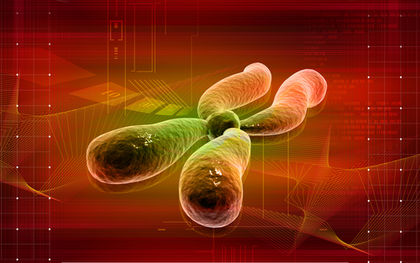
sex-gene
(Photo: Crystal Eye Studio/Shutterstock)
The distinction between males and females is one of the oldest facts of biology—but how did it come to affect our social identity?
Every Friday this month we’re taking a look at the relationship between the social and the biological—specifically, how and why the former becomes the latter. Check back next week for another installment.

One way to understand how and why the social becomes biological is to flip the question: How does biology become social? One of the best ways to see how biology drives social behavior is to look at one of the oldest social relationships in the living world: sex.

Sex and its central role is biology is the main reason why men and women are different, but it’s hard to tease apart biology from culture. Anatomical differences are obviously biological, while a quick survey of various human societies is enough to see that many differences between men and women are cultural and liable to change. The distinction between males and females, however, is one of the oldest facts of biology. Except for bacteria, nearly all life reproduces sexually at least some of the time, and two distinct sexes are generally necessary to do this.

Just why sex is such a popular method for transferring genes to the next generation is still a bit of an enigma, but it’s clear that distinct male and female sexes emerged multiple times throughout evolutionary history. It happened in the ancestors of plants and animals more than a billion years ago. That’s too far back for us to recover even sketchy details about how the original distinction between males and females evolved. Fortunately for us, we have an “evolutionary time machine” of sorts: the volvocine green algae. It’s a family of present-day species that nicely illustrates the evolutionary transition from a single-celled organism without very distinct sexes, to a multi-cellular one with genuine males and females.

Volvocine algae are like a time machine because, in the relatively brief period of 200 million years, this group evolved from a free-living, single-cell ancestor into a variety of multi-cellular life forms. To study this evolutionary process, biologists can compare a present-day single-cell species, Chlamydomonas reinhardtii, with its much larger, multi-cellular relative, Volvox carteri. Volvox has males and females, while Chlamydomonas doesn’t; by comparing the two, we can learn about how sexes evolve.

Chlamydomonas sex is typical for a single-cell sexual organism: primitive. These algae come in two different “mating types,” called “plus” and “minus.” Instead of issuing specialized male and female reproductive cells, this organism transforms its entire one-celled self into a gamete and seeks out a partner of the opposite mating type. Like two poles of a magnet, “plus” and “minus” organisms aren’t that different from each other. The differences that do exist serve mainly to allow one mating type to recognize and fuse with the other.

Volvox sex, on the other hand, is surprisingly familiar. These algae, made up of about 2,000 cells, exist as distinct males and females. The males produce sperm that fertilize the eggs of the females, producing a zygote that develops into an embryo. Sound familiar? But here’s the stunning fact about it: This whole reproductive process evolved from scratch in algae within the last 200 million years, during a time when reptiles, amphibians, mammals—descended from a long line of sexually reproducing ancestors—were roaming the Earth. The two sexes of Volvox are an evolutionary rerun.

SO HOW DO YOU get from mating types to males and females? That’s the question asked by a trio of researchers, at the Danforth Plant Science Center in St. Louis and the Salk Institute in La Jolla, in a study published this summer. The scientists began from the observation that distinct sexes have evolved repeatedly in life’s history, and the result is nearly always the same: females who produce relatively few large, immobile eggs, and males who produce many small, mobile sperm. To understand the genetic basis of Volvox males and females, the researchers tried swapping genes between the sexes.

They were interested in one gene in particular, called MID. Male Volvox have this gene, while the females don’t. This gene exists in single-celled algae as well, where it acts as a master mating type switch that prevents “minus” from turning into “plus.” The scientists reasoned that MID might do something similar in Volvox. They transferred a copy of this male-specific gene into females, which became pseudo-males and started making sperm. And when they deleted MID from the males, the algae became pseudo-females and started making eggs. Their results show that this master switch gene “control[s] two very different manifestations of sexual reproduction.” This gene was reprogrammed from a simple regulator of primitive mating types into one that controls the major differences between females and males.

The oldest and most fundamental way that males and females differ is in their reproductive cells. Once you have sex-specific reproductive cells, new sex-specific evolutionary strategies come into play. These drive the development of even more physical and behavioral differences between males and females. New genes fall under the control of the master switch to become sex-specific genes. In Volvox, about a dozen genes are found only in males or females. In humans, there are about 80 protein-coding genes on the Y chromosome that are specific to men. The human master switch is called SRY, and like MID in Volvox, its primary job is to switch on the genetic program to produce sperm.

There is no doubt that the trend in human societies is to exaggerate the differences between men and women—typically by emphasizing the supposedly lesser capabilities of women. Then society changes, and sex differences that many people took for granted as biological turn out to be social after all. Certainly compared to many species, the differences between human males and females are small. But those biological differences drive so much of our social behavior, for better and for worse, and the case of Volvox algae show how the differences between men and women probably began.

Michael White
Michael White is a systems biologist at the Department of Genetics and the Center for Genome Sciences and Systems Biology at the Washington University School of Medicine in St. Louis, where he studies how DNA encodes information for gene regulation. He co-founded the online science pub The Finch and Pea. Follow him on Twitter @genologos.

More From Michael White
Related Stories


Saturday, September 27, 2014

Dorian Furtuna - Male Aggression: Why are men more violent?

http://i.telegraph.co.uk/multimedia/archive/02116/braveheart_2116469b.jpg

If I had to summarize this article's stance on male aggression, it would be: "Evolution and my hormones made me do it." I would guess that this is still the majority view in biology, anthropology, and even some areas of psychology.

What's missing from this rather simplistic model is the social construction aspect - that gender behaviors are socially constructed and socially enforced. Men may have an obvious evolutionary design that allowed us to be more violent and aggressive - generally in the same way as the males of any species are aggressive as a means of protecting the group (from family to tribe to religion to nation).

BUT, we are no longer a species that operates in a kill-or-be-killed world. We have evolved. In general, the greater the level of psychosocial development, the lesser the incidence of violent behavior. It is no longer feasible to claim a biological imperative toward violence - our biology is only one aspect of who we are.

Male Aggression

Why are men more violent?

Published on September 22, 2014 by Dorian Furtuna, Ph.D. in Homo Aggressivus
In almost every society men are the ones who are overwhelmingly involved in wars, in all kinds of intergroup aggressions and intragroup homicide; they mobilize themselves in armies of violent fans, in criminal gangs, in bands of thugs, etc. These observations are as old as the world and have allowed us to create a clear distinction between male and female sexes regarding their predisposition to violence. Wars are a biosocial product of men and a field for male’s manifestation [Goldstein, 2001]. The same thing is true of crime and cruelty, which are closely linked to masculinity.

Canadian evolutionary psychologists Martin Daly and Margo Wilson, who specialize in studying the homicide phenomenon, have analyzed 35 homicide data sets from 14 countries, including some from primitive societies and some from different eras. Among these societies men committed homicide, on average, 26 times more frequently than women [Daly, Wilson, 1994]. Also, familicides (the killing of family members) are committed mostly by men. Some data have shown that men were involved in more than 90 percent of cases [Wilson, Daly, 1997, p. 160].

Men are also, in 70 percent of cases, the victims of homicides. In some societies, this percentage jumps to over 90 percent [Daly, Wilson, 1988; Berkowitz, 1993, p. 274, apud Buss, Duntley, 2002].
In the Russian Federation, in 1996, 86.6 percent of all serious crimes were committed by men. In the U.S., in 2004, 85 percent of total serious crimes were committed by men. Ninety-two percent of serial killers from the U.S. are men [1]. This statistical report is valid for most countries, regardless of their geographical location or size. In Republic of Moldova, for example, about 90 percent of crimes are committed by men [2].

Let us analyze another dimension of violence – cruelty and animal abuse. One of the studies that approached this issue found the following male-to-female ratio, regarding violence to animals: beatings – 38 to 1, shooting – 16 to 1, torture – 20 to 1, burning – 17 to 1 [Gerbasi, 2004].

Why are men more aggressive than women? Several theories have been proposed, trying to explain this phenomenon, most of them being from social psychological theories. One of the most popular theories belongs to American social psychologist Leonard Berkowitz. According to him, men and women are educated, traditionally, to carry out different social roles. Berkowitz uses the following reasoning for his theory: Think of all the ways in which modern Western society teaches children that fighting is more suitable for men than to women. Folk literature and the media constantly present men, and not women, fighting. Parents buy toy guns for boys and dolls for girls. Parents are more willing to endorse and encourage the aggressive behavior of boys, and not of girls. Again and again, directly and indirectly, minors learn that men are aggressive, and women not [Berkowitz, 1993, p. 395].

The theory of “social roles” has created a new paradigm in gender policies and marks, even today, the ways in which many civic and preschool education strategies are developed. It is presumed that girls and boys shall be educated and treated alike, non-discriminatory, and even the behavioral differences between them will disappear. However, although it contains in itself a good dose of truth (boys and girls were, traditionally, part of a different education), Berkowitz’s theory about learned social roles was subject to several critics, who have shown its vulnerabilities.

First of all, it’s not the parents that impose behavioral styles on their children, but their reaction at the latter’s requests; toy guns are bought for boys and dolls for girls because these are usually the children’s preferences (in part genetically predetermined). And as parents respond to children’s preformed wishes, so do media, offering a content which corresponds to behavioral patterns already existing on a social level [Hoyenga, Hoyenga, 1993]. Then, Berkowitz’s theory mirrored the Western culture, but didn’t take into account the realities from other cultures (without cinema, literature, media, toy stores), where the behavioral patterns of boys still greatly differ from that of girls. It was noted, among other things, that homicides in North America (where it seems that the media fosters intense social roles) are marked by sex differences to a lesser degree than in many other societies [Daly, Wilson, 1989, p. 101-102, apud Buss, Duntley, 2002]. So it is not the imprinting of social roles that sits at the origin of men’s increased aggressiveness, but inner causes, determined by the nature of men.

Also important in this regard are the findings of social psychologists who have noted that the social emancipation of women in recent decades has barely influenced or enhanced the expressiveness of aggressive behavior in women, which is additional proof that the higher degree of masculine aggressiveness is, first of all, due to genetic factors. Sex differences predetermine, on a genetic level, the differences in aggressive behavior [Wilson, Herrnstein, 1985]. It’s specific for women to use verbal aggression in intrasexual competition between women and rarely are there cases of physical assault. Women use only language in competitive strategies [Buss, Dedden, 1990, apud Fitzgerald, Whitaker, 2009, p. 469].

Most relevant in explaining the genesis of male aggressive behavior proved to be the approaches from an evolutionary perspective. Thus, the fact that men are more aggressive and stronger than women can be explained through intrasexual competition (between males). Men have inherited these skills from our evolutionary ancestors, because, in general, in the living world, gaining a higher hierarchical status, resources, protecting the family and obtaining competitive advantages in conquering women involves increased physical contest and increased aggressiveness [Buss, Duntley, 2006; Gat, 2010]. Similarly, in many animal species, including primates, males have the biological role of being guardians of the territory and of banishing the intruders or of protecting the group from predators, and these functions imply that males exhibit a higher level of aggression than females [Wilson, 1975].

The fact that males are more aggressive and more violent is reflected by their anatomy itself; in many animals species they are heavier, more muscular, better armed with means of attack and defense. In humans, for example, the arms of men are, on average, 75 percent more muscular than those of women; and the top of a male body is 90 percent stronger that the top of a female body [Bohannon, 1997; Abe et al., 2003, apud Goetz, 2010, p. 16]. Also, men are taller, they have denser and heavier bones, their jaw is more massive, their reaction time is shorter, their visual acuity is better, their muscle/fat ratio is greater, their heart is bulkier, their percentage of hemoglobin is higher, their skin is thicker, their lungs bigger, their resistance to dehydration is higher etc. In other words, from all points of view, men are more suited for battle than women, and these skills are native; they were selected and evolutionary polished [Sell et al., 2012, p. 33].

Men also have a specific hormonal status. Testosterone, for example, is directly responsible for inducing competitive and even criminal behavior. According to Evolutionary Neuroandrogetic Theory, male sex hormones (androgens) are correlated with the increased ability of males to acquire resources, hierarchical position and sexual partners [Ellis, 2003, 2004].

All of these anatomical, hormonal, behavioral and evolutionary factors demonstrate the biological, instinctual inclination of men to be more combative. Therefore, on an individual and social level, men are involved in acts of violence and crime. The social environment only cultivates and points out these predispositions towards fighting and aggression.

Sources:

1. ...И смертельная ненависть к мужчинам // Ракитин А.И.”Загадочные преступления прошлого”. 2008 / http://murders.ru/Florida_2.html
2. Statistica gender // Biroul Naţional de Statistică al Republicii Moldova / http://www.statistica.md/category.php?l=ro&idc=264
• Abe T., Kearns C.F., Fukunaga, T. Sex differences in whole body skeletal muscle mass measured by magnetic resonance imaging and its distribution in young Japanese adults // British Journal of Sports Medicine. Vol. 37. 2003. P. 436-440.
• Berkowitz L. Aggression: Its causes, consequences, and control. New York. McGraw-Hill. 1993. 485 p.
• Bohannon R.W. Reference values for extremity muscle strength obtained by hand-held dynamometry from adults aged 20 to 79 years // Archives of Physical Medicine and Rehabilitation. Vol. 78. 1997. P. 26-32.
• Buss D.M., Dedden L.A. Derogation of competitors // Journal of Social and Personal Relationships. Vol. 7. 1990. P. 395-422.
• Buss D.M., Duntley J.D. Murder by Design: The Evolution of Homicide // Behavioral and Brain Sciences. 2002 / http://www.philosophy.dept.shef.ac.uk/AHRB-Project/Papers/Non-pdf...
• Buss D.M., Duntley J.D. The Evolution of Aggression // In M. Schaller, J.A. Simpson, D.T. Kenrick (Eds.), “Evolution and Social Psychology”. New York, NY: Psychology Press. 2006. P. 263-285.
• Daly M., Wilson M. Homicide and cultural evolution // Ethology and Sociobiology. Vol. 10. 1989. P. 99-110.
• Daly M., Wilson M.I. Evolutionary psychology of male violence // In: Male Violence (Ed. by J. Archer). London: Routledge. 1994. P. 253–288.
• Daly M., Wilson M.I. Homicide. Hawthorn: Aldine de Gruyter. 1988.
• Ellis L. Genes, criminality, and the evolutionaryneuroandrogenic theory // In: A. Walsh and L. Ellis (Eds.), “Biosocialcriminology: Challenging environmentalism's supremacy Hauppauge”. NY: Nova Science. 2003. P. 13-34.
• Ellis L. Sex, status, and criminality: A theoretical nexus // Social Biology. Vol. 51. 2004. P. 144-160.
• Fitzgerald C.J., Whitaker M.B. Sex differences in violent versus non-violent life-threatening altruism // Evolutionary Psychology. Vol. 7(3). 2009. P. 467-476.
• Gat A. Why War? Motivations for Fighting in the Human State of Nature // in P. Kappeler and J. Silk (eds), “Mind the Gap: Tracing the Origins of Human Universals”. Springer Berlin. 2010. P. 197-220.
• Gerbasi K. Gender and nonhuman animal cruelty convictions: Data from Pet-Abuse.com // Society and Animals. Vol. 12. 2004. P.359-365.
• Goetz A.T. The evolutionary psychology of violence // Psicothema. Vol. 22(1). 2010 Feb. P. 15-21.
• Goldstein J. War and gender: How Gender Shapes the War System and Vice Versa. Cambridge: Cambridge University Press. 2001.
• Hoyenga K.B., Hoyenga K.T. Gender-related differences: Origins and outcomes. Boston: Allyn & Bacon. 1993.
• Sell A., Hone L.S., Pound N. The importance of physical strength to human males // Human Nature. Vol. 23(1). 2012 Mar. P. 30-44. doi: 10.1007/s12110-012-9131-2.
• Wilson E.O. “Sociobiology: A New Synthesis”. Harvard University Press. 1975.
• Wilson J.Q., Herrnstein R.J. Crime and Human Nature. New York. Simon & Shuster. 1985.
• Wilson M.I., Daly M. Familicide: uxoricide plus filicide? // In M Riedel & J Boulahanis, eds., Lethal violence: Proceedings of the 1995 meeting of the Homicide Research Working Group. Washington DC: National Institute of Justice. 1997. P. 159-169.

Wednesday, March 19, 2014

Epigenetics: The Sins of the Father

From Nature News, this is an excellent overview of what we know - and how much we do NOT know - about epigenetics. We are beginning to see the degree to which epigenetic variations can be transmitted from one generation to the next, but we still have very little idea how that process works.

[NOTE: the title of this article refers to a study with mice in which male mice were trained to be afraid of acetophenone, a sweet smelling substance, by pairing the scent with a mild electric shock. The male mice were later mated with females who had not experienced the conditioning. Their offspring showed an unusual sensitivity to the acetophenone scent, more so than other scents. And the grandchildren of the original male mice also showed an unusual sensitivity to acetophenone.]

Epigenetics: The sins of the father

The roots of inheritance may extend beyond the genome, but the mechanisms remain a puzzle.

Virginia Hughes
05 March 2014


20th Century Fox/The Kobal Collection

When Brian Dias became a father last October, he was, like any new parent, mindful of the enormous responsibility that lay before him. From that moment on, every choice he made could affect his newborn son's physical and psychological development. But, unlike most new parents, Dias was also aware of the influence of his past experiences — not to mention those of his parents, his grandparents and beyond.

Where one's ancestors lived, or how much they valued education, can clearly have effects that pass down through the generations. But what about the legacy of their health: whether they smoked, endured famine or fought in a war?

As a postdoc in Kerry Ressler's laboratory at Emory University in Atlanta, Georgia, Dias had spent much of the two years before his son's birth studying these kinds of questions in mice. Specifically, he looked at how fear associated with a particular smell affects the animals and leaves an imprint on the brains of their descendants.

Dias had been exposing male mice to acetophenone — a chemical with a sweet, almond-like smell — and then giving them a mild foot shock. After being exposed to this treatment five times a day for three days, the mice became reliably fearful, freezing in the presence of acetophenone even when they received no shock.

Ten days later, Dias allowed the mice to mate with unexposed females. When their young grew up, many of the animals were more sensitive to acetophenone than to other odours, and more likely to be startled by an unexpected noise during exposure to the smell. Their offspring — the 'grandchildren' of the mice trained to fear the smell — were also jumpier in the presence of acetophenone. What's more, all three generations had larger-than-normal 'M71 glomeruli', structures where acetophenone-sensitive neurons in the nose connect with neurons in the olfactory bulb. In the January issue of Nature Neuroscience1, Dias and Ressler suggested that this hereditary transmission of environmental information was the result of epigenetics — chemical changes to the genome that affect how DNA is packaged and expressed without altering its sequence.

Biologists first observed this 'transgenerational epigenetic inheritance' in plants. Tomatoes, for example, pass along chemical markings that control an important ripening gene2. But, over the past few years, evidence has been accumulating that the phenomenon occurs in rodents and humans as well. The subject remains controversial, in part because it harks back to the discredited theories of Jean-Baptiste Lamarck, a nineteenth-century French biologist who proposed that organisms pass down acquired traits to future generations. To many modern biologists, that's “scary-sounding”, says Oliver Rando, a molecular biologist at the University of Massachusetts Medical School in Worcester, whose work suggests that such inheritance does indeed happen in animals3. If it is true, he says, “Why hasn't this been obvious to all the brilliant researchers in the past hundred years of genetics?”.

One reason why many remain sceptical is that the mechanism by which such inheritance might work is mysterious. Explaining it will require a deep dive into reproductive biology to demonstrate how the relevant signals might be formed in the germ line, the cells that develop into sperm and eggs and carry on, at a minimum, a person's genetic legacy.

A mother might pass on effects of environmental exposures to a fetus during pregnancy. So, to study the phenomenon of transgenerational epigenetics cleanly, biologists are focusing on fathers, and have been looking at how sperm might gain and lose epigenetic marks. “In the past two to three years there's been a lot of new information,” says Michelle Lane, a reproductive biologist at the University of Adelaide in Australia. But proposals for how it all works are themselves embryonic. “It's a huge black box,” Lane says.


Monster plants and obese children

The epigenetics revolution hit in the early 2000s, when scientists began reporting that environmental factors — everything from neglectful mothering and child abuse to a high-fat diet and air pollution — can influence the addition or removal of chemical tags on DNA that turn genes on and off. This idea of an environmentally responsive genome still stirs debate (see Nature 467, 146–148; 2010). But the notion that epigenetic marks are transmitted across generations is even more provocative.

Swedish botanist Carl Linnaeus was among the first to spot changes resulting from this phenomenon. In the 1740s, he received a plant specimen that looked very similar to common toadflax (Linaria vulgaris), but with very different flowers. Linnaeus was shocked because this challenged his theory that plant species could be categorized by the structure of their flowers. “This is certainly no less remarkable,” he wrote, “than if a cow were to give birth to a calf with a wolf's head.” He named the plant Peloria, after the Greek word for 'monster'.

In the 1990s, plant biologist Enrico Coen at the John Innes Centre in Norwich, UK, found that in the monster plants, methyl groups litter a gene involved in flower structure called Lcyc, completely shutting it down. (DNA methylation usually turns genes off.) Coen's team also showed that these methyl marks pass through seeds to later generations4.

The public first started to take notice in the mid-2000s, after large epidemiological investigations in Europe began to show transgenerational effects in humans. One study of Swedish historical records showed that men who had experienced famine before puberty were less likely to have grandsons with heart disease or diabetes than men who had plenty to eat5. Similar work with children in Britain reported in 2005 that fathers who had started smoking before the age of 11 had an increased risk of having boys of above average weight6.

But many scientists remained sceptical. Epidemiological studies are often messy, and it is impossible to rule out all confounding variables. In the past few years, however, several studies in rodents have supported these observations and begun to attribute the transmission of various traits to changes in sperm.

Sperm signatures


Male rats fed a high-fat diet, for example, beget daughters with abnormal DNA methylation in the pancreas7. Male mice fed a low-protein diet have offspring with altered liver expression of cholesterol genes3. And male mice with pre-diabetes have abnormal sperm methylation, and pass on an increased risk of diabetes to the next two generations8.

“We and many other people have now shown these paternal effects,” says Rando, who led the low-protein study. “And we're all having a hell of a time figuring out how they work.”

The animal studies have triggered some strong debate. The most controversial results have come out of Michael Skinner's lab at Washington State University in Pullman. Skinner's team exposed pregnant rats to large doses of pesticides and fungicides, which led to organ damage in their adult offspring. The sperm of male offspring showed changes in DNA methylation that persisted for at least four generations9.

But at least two groups failed to replicate the data, and in 2010, federal investigators found that one of Skinner's postdocs had fabricated data for a related paper, which the authors had retracted in 2009. Skinner says that some teams have replicated his results, and that those who have not were using inappropriate protocols. Last year, his own team reported successfully reproducing the results of the retracted paper10.

Methylation mechanism


Explaining how transgenerational epigenetics works has been difficult in part because most studies track outcomes — such as changes in glucose, cholesterol and fertility — that can be affected by a range of factors, making it tricky to tease out cause and effect. By contrast, Dias and Ressler's work with acetophenone takes advantage of specific biology: the chemical binds to a particular receptor in the nose that is encoded by a single gene, dubbed Olfr151. “This is the massive pro of their study,” Rando says.

Dias and Ressler do not claim to understand exactly what is going on, but they do have a working hypothesis. Somehow, the information about the frightening smell gets into a mouse's testes and results in lower methylation of the Olfr151 gene in sperm DNA. The researchers even ran experiments using in vitro fertilization to make sure that the father was not in some way passing on a fear of acetophenone through interactions with the mother. The epigenetic tweak in the sperm is perpetuated in the offspring's DNA, leading to increased expression of the receptor in the animals' noses and, ultimately, enhanced sensitivity to the smell.

But the chain of causation is loose. “There are a lot of disconnects there,” says William Kelly, a developmental geneticist at Emory. “It's not beyond the realm of possibility or plausibility. It's just right now we don't know enough about how information is transferred between generations.”

The first question is how the effects of environmental exposure become embedded in an animal's germ cells — in this case, the mouse's sperm. Germ cells have been shown to express olfactory receptors11. So it is possible that Olfr151 receptors in sperm respond to odorant molecules in the bloodstream and then change the methylation of the corresponding gene in sperm DNA.

Alternatively, after being exposed to the odour and the pain, a mouse might produce RNA molecules — perhaps in the brain — that make their way into the bloodstream and then selectively target the Olfr151 gene in sperm. Many studies in plants have hinted at this sort of systemic RNA shuttling. RNA molecules expressed in a plant's leaf, for example, can travel through its vascular system to many of its other tissues and affect gene expression12.

But creating an epigenetic mark in the sperm is only the first step. To pass down through multiple generations, the signal needs to survive multiple rounds of rigorous epigenetic reprogramming. In mammals, the first of these happens just hours after conception, when most methylation is stripped from sperm DNA in the single-celled embryo. Then, as the embryo develops and divides, and cells begin to differentiate into various tissue types, methylation is gradually re-established. But even if some signal from the father were to survive this process, the embryo's own primordial germ cells, those that eventually become its sperm or eggs, undergo a second round of epigenetic scrubbing (see 'Without a trace').

Some genes manage to escape these periods of major reprogramming. The best example is genes that are imprinted — whereby one copy from the mother or father is robustly methylated and effectively silenced. These silencing marks crop up in the egg or sperm and are retained in the embryo.

About 100 genes are known to be imprinted, but some non-imprinted genes may also escape the scrubbing through a similar mechanism. “There is a growing consensus that there are more regions than previously thought that escape reprogramming in sperm,” says Sarah Kimmins, an epigeneticist at McGill University in Montreal, Canada. “Why this is, and how, is not yet known, although studying imprinted genes may reveal clues.”

Then again, even if Olfr151 does escape reprogramming, it is hard to explain how that could lead to a noticeable difference in the behaviour of fully formed offspring. Dias and Ressler reported that in sperm samples from mice trained to fear acetophenone, about 86 out of every 100 sperm show Olfr151 methylation, whereas in mice trained to fear a different odour it is about 95 out of every 100. This difference is statistically significant, but fairly small. And yet the behavioural effects in the second generation were robust: about half of the acetophenone-trained animals' offspring showed increased sensitivity to the odour.

'Something goofball'?


Although many are scratching their heads over the holes in the proposed mechanism, few are suggesting that the underlying phenomenon is a fairy tale. “Impossible things are happening every day,” says Kelly, quoting a line from Rodgers and Hammerstein's Cinderella.

It is possible, for example, that the DNA-methylation tweaks reported in the odour study are simply a by-product of an altogether different mechanism.

One route might be chemical marks on histones, the proteins around which DNA wraps. Acetyl and methyl groups can attach to histones and affect the expression of nearby DNA. But during sperm-cell formation, DNA is stripped of most of its histones (and their attendant marks) and wraps instead around protamines, which pack it more tightly.

Nevertheless, about 10% of human histones — and about 1% of mouse ones — are retained. These sites might carry information from one generation to the next. In 2011, researchers reported that, in nematode worms, certain histone marks correlate with long life and can be passed down through several generations13. And last December, Kimmins and her colleagues showed that feeding male mice a diet low in folate — a nutrient that provides the raw materials for methylation — led to significantly reduced methylation of histone proteins in the animals' sperm and more birth defects in their offspring14.

Still other studies point to a mechanism involving short RNA molecules latching on to DNA and affecting gene expression. Twenty-eight microRNAs are expressed differently in the sperm of men who do and do not smoke, according to a study reported in 2012 (ref. 15). And these RNA patterns may persist through multiple generations. Last year, Lane's group found that obese male mice show abnormal expression of 11 microRNAs in their sperm — and that they pass on insulin resistance to the next two generations16.

Then there is the possibility that the mechanism is, as Rando puts it, “something goofball”. That might be prions — misfolded proteins that act as infectious agents — which have been shown to transmit heritable traits in budding yeast (see Nature 482, 294–296; 2012). Or it could be something in semen besides sperm. Researchers reported in January17 that mice born of fathers lacking seminal vesicles are fatter and have more metabolic problems than controls, suggesting that molecules in seminal fluid influence gene expression in sperm and the female reproductive tract.

If the mechanism involves DNA methylation, histones or RNA, the field is likely to make great progress in the next few years, Rando predicts. “But if it's something completely novel,” he says, “Maybe it will take decades to Figure out.”

Dias has his fingers crossed for the former. He is going to Boston, Massachusetts, in April for a Keystone meeting on epigenetic inheritance, to get a sense of the most promising mechanistic avenues to follow. “If science has taught me anything,” he says, “it is to not discount the myriad ways of becoming and being.”

Nature 507:22–24 (06 March 2014) | doi:10.1038/507022a

References

  1. Dias, B. G. & Ressler, K. J. Nature Neurosci. 17, 89–96 (2014). Article
  2. Manning, K. et al. Nature Genet. 38, 948–952 (2006). Article
  3. Carone, B. R. et al. Cell 143, 1084–1096 (2010). Article
  4. Cubas, P., Vincent, C. & Coen, E. Nature 401, 157–161 (1999). Article
  5. Kaati, G., Bygren, L. O. & Edvinsson, S. Eur. J. Hum. Genet. 10, 682–688 (2002). Article
  6. Pembrey, M. E. et al. Eur. J. Hum. Genet. 14, 159–166 (2006). Article
  7. Ng, S.-F. et al. Nature 467, 963–966 (2010). Article
  8. Wei, Y. et al. Proc. Natl Acad. Sci. USA 111, 1873–1878 (2014). Article
  9. Anway, M. D., Cupp, A. S., Uzumcu, M. & Skinner, M. K. Science 308, 1466–1469 (2005).  Article
  10. Skinner, M. K., Haque, C. G.-B., Nilsson, E., Bhandari, R. & McCarrey, J. R. PLoS ONE 8, e66318 (2013). Article
  11. Goto, T., Salpekar, A. & Monk, M. Mol. Hum. Reprod. 7, 553–558 (2001).  Article
  12. Dunoyer, P. et al. Science 328, 912–916 (2010). Article
  13. Greer, E. L. et al. Nature 479, 365–371 (2011). Article
  14. Lambrot, R. et al. Nature Commun. 4, 2889 (2013). Article
  15. Marczylo, E. L., Amoako, A. A., Konje, J. C., Gant, T. W. & Marczylo, T. H. Epigenetics 7, 432–439 (2012). Article
  16. Fullston, T. et al. FASEB J. 27, 4226–4243 (2013). Article
  17. Bromfield, J. J. et al. Proc. Natl Acad. Sci. USA 111, 2200–2205 (2014). Article

Related stories and links

From nature.com

Thursday, January 16, 2014

The Y Chromosome is Not Doomed to Shrivel Away to Nothing

Well, dang, I guess that's some good news . . . . From The Guardian (UK):

Y chromosome is not doomed to shrivel away to nothing, say researchers

Despite concerns it may be shrinking, male sex chromosome is likely to remain in rude health for many millions of years to come.

Ian Sample, science correspondent
The Guardian, Thursday 9 January 2014

Mural featuring Genghis Khan and his court
One explanation for the lack of genetic variation on the Y chromosome is the Genghis Khan effect, with a small number of men fathering many children. Photograph: Alamy
Reports of the coming death of the male sex chromosome are greatly exaggerated, say scientists, whose work will raise a collective cheer from at least half the population. The fate of the Y chromosome, which carries the genetic switch that sends a developing embryo down the route to maleness, has been questioned since scientists first discovered that it had lost more than 90% of its genes over millions of years of evolution.

The steady withering of the Y has led some to claim that it might vanish completely over the next five million years, leaving humans to join the Okinawa spiny male rat on the list of species that make do without a sex chromosome. But that unsettling prospect is dismissed in research published on Friday by scientists at the University of California, Berkeley. Having studied the genetic makeup of 16 men, they conclude that natural selection is not about to cast the shrunken male chromosome on the evolutionary scrapheap.

The Y chromosome has shrunk over time because, unlike every other chromosome in the human body, it has no partner. This means it cannot easily be repaired when harmful mutations occur. Typically, people have 23 pairs of chromosomes including two that govern sex, which are X and Y in males, or two Xs in females. The numbers vary in some genetic disorders.Most chromosomes can repair damage that arises from mutations by swapping DNA with their opposite number, a process called recombination. But the Y is always inherited alone, so has no partner to swap with. As such, the damage builds up until the DNA is discarded, leaving the chromosome that much smaller. Today, the Y carries only 27 genes that are used to make proteins, compared with around 800 on the X chromosome. A few hundred million years ago, early versions of the X and Y were the same size.

Writing in the journal Plos Genetics,the Berkeley researchers describe the genetic diversity of Y chromosomes in eight European and eight African men. The variation was tiny, and suggests that the Y chromosome has been pared down to its bare essentials by "purifying selection"An alternative explanation for the low genetic variation of Y chromosomes is that a minority of men had a high proportion of children, passing on fewer Y chromosome variants to each successive generation. At the extreme is the Genghis Khan effect, named after the Mongol leader who fathered so many sons, his Y chromosome lives on in around 0.5% of the male global population. But the study found that if this were the driving force for low genetic variation on the Y chromosome, fewer than one in four men would have fathered children in the course of human history.

According to the researchers, all 27 genes on the Y chromosome, nearly half of which are poorly understood, are acted on by purifying selection. The fact they're still here suggests they have a valuable role to play in successful breeding.

"Natural selection is acting on the Y chromosome and has maintained the genes pretty well," said Melissa Wilson Sayres, an evolutionary biologist. "All the evidence points toward it not disappearing."

The Berkeley team now hopes to study more Y chromosomes to learn whether the genes are subjected to "positive selection", whereby beneficial mutations spread through the population.

Thursday, October 17, 2013

Cory Silverberg - Near the Edge of Sexual Ambiguity

Sex Determination 3838

Michael Weiss and his colleagues at the Case Western Reserve University School of Medicine have been for several years exploring at the micro level what it is that makes us perceive our bodies as being either one sex or another, only male or only female.

In this new study they look at the chromosomal structures that determine biological sex - and it turns out there are many variations other than our culturally accepted sex/gender binary.

Near the Edge of Sexual Ambiguity

September 5, 2013
By Cory Silverberg
My Bio

It's rare to find poetry in a press release.

But I pulled the above phrase, which is so evocative and rich, describing as it does, not our bodies but a moment during fetal development before sex assignment; I mean just think about it: What does that edge look like? What happens when you peer over it? Who is teetering there? Are they worried about falling off, are they waiting to jump, or are they happy living on the edge? This is clearly the stuff of poetry and humanity) from a Case Western Reserve University press release a few days ago.

The release describes a study conducted by Michael Weiss and his colleagues at the School of Medicine, who have for several years been exploring in the most micro way imaginable what it is that makes us think about bodies as being either one sex or another, only male or only female.

A bit of background is required:

Despite rich and varied histories that demonstrate it isn't so, most societies function on the premise that all humans are easily classifiable as male or female, and that we can identify who is who by looking at genitals, hormones, and chromosomes. Usually human experience (one of the things we call "culture") is juxtaposed with science in this regard. The science, we're told is more cut and dry. Only it isn't. Medicine and science has for some time documented that humans are not easily categorizable into one of two sexes. If you look carefully at the research, sexual diversity, on the level of genital appearance, hormones and chromosomes, is present and predictable in humans. To use the language of normativity, the fact that some of us don't fit into one of two boxes is as normal as the fact that some of us do.

As Prof. Weiss explains in the poetic release, developmental biology has stuck with the two category model based on the understanding that human bodies develop in a consistent or reliable way because "evolution favors reliability. Robust switches ensure that our genetic programs give rise to a consistent body plan to ensure that babies have one heart, two arms, ten fingers, and so forth."

The switches Weiss is referring to are a way that researchers like him conceptualize gene expression and sexual development. Essentially, it is thought, that all fetuses begin with "female tissues." At some point in fetal development a "switch" turns on and as a result the fetus begins to develop "male tissues." Eventually testes develop, which produce testosterone, which in turn informs the development of male genitalia.

You may have heard someone say that we all start off female. That's what they were referring to.

So the theory is that in order to have bodies that can reliably survive and reproduce, we have evolved "robust switches." In other words, our fetal development is more or less sturdy and fixed, not a lot of diversity.

But we know that there is more diversity than society advertises. Thinking only of chromosomal sex, there are far more than two options. Instead of the popular XY "male" and XX "female" options we hear so much about, some of us have cells with XXX, XXY, XXYY, XYY, XO chromosomes, and the list continues. These "other" options are usually referred to as chromosomal abnormalities. Of course they aren't "other" or abnormal, they are chromosomes in bodies, they are us.

For simplicity sake I'm not going to get deeper into gender here, but it's hard not to point out that there are many more of us whose bodies have XY chromosomes and who are women, whose bodies have XX chromosomes and are men, whose bodies have one combination or another but identify somewhere in between or completely outside of the popular models that we're offered by society. You can read this glossary entry for more about the difference between sex and gender.

Back to genes and sex and switches.

In an effort to understand all this confusion between fixity and diversity, Weiss has been looking for many years at a particular switch, the SRY gene "master switch," that sets into motion the process of fetal tissue changing in a way that is described as male sex development.

In this paper he and his colleagues decided to look at the SRY genes that are shared by a father and his daughter. In this case the daughter has XY "male" chromosomes, but the SRY genes didn't trigger the switch in the predictable way so instead she developed internal female genitalia (ovaries, fallopian tubes, and uterus).

The researchers assumed that something significant must happen to make the SRY switch function in this unexpected way (in their language they expected that a "severe insult to the Y-encoded switch" was necessary and would be in the neighborhood of a factor of 100 or more). What they found was the threshold at which the SRY functions in this unexpected way was only a factor of two. From the release:
"Therefore, human males actually develop near the edge of sexual ambiguity. This means that, unlike the robust genetic programs which develop other essential processes like heart function, the SRY gene master switch is particularly vulnerable to change. It only takes a slight deviation from the normal process to dramatically alter fetal sexual development.

Given the importance of sexual reproduction to the survival of a species, why do human SRY genes function so close to the boundary of infertility? The idea of an unreliable master switch might appear paradoxical, but a growing body of research suggests that it might be an evolutionary necessity."
Weiss hypothesizes that, rather than predictability, diversity in sex development and expression is itself an evolutionary advantage:
"We have this tenuous switch on the Y chromosome, and we anticipate that its gift to humanity is variability in the pathway of male development from its earliest stages. The essential idea is that our evolution has favored a broad range of social competencies. In prehistory, this range would have given a survival advantage to communities enriched by a diversity of gender styles."
Weiss is focusing on a very narrow part of our bodies, one group of genes on one chromosome. And to be honest I only have the most rudimentary understanding of the technology that allows them to do this work, and the science that describes the work they are doing. But with that caveat, it's hard for me not to want to think about the implications of this research not only on a chromosomal level but on a social one.

The incorrect notion that bodies should fit into one of two clear categories and those bodies are clearly and visibly different in ways that are fixed and consistent across time makes living in our bodies difficult and even intolerable for many of us. It also continues to contribute to the practice of performing unnecessary and harmful surgeries on infants in order to make their bodies fall in line with social expectations that have nothing to do with health or with the beauty of our bodies.

It's hard for me not to let out a little "damn right" yell when I read a Professor of Biochemistry and Medicine writing that all our bodies, especially those that insist on undecidable sex characteristics, are a "gift to humanity" (even if I'm unsure whose giving that gift and who is receiving it).

In some ways this research is only confirming what those of us paying particular attention to sex and gender already know is true. And given medicine's lackluster track record at dealing respectfully with bodies that don't fit its normative expectations, maybe I shouldn't get so excited. But I guess I'm happy any time it feels like someone is getting to speak some truth. It's a little bit of poetry.

Proceedings of the National Academy of Sciences: Inherited human sex reversal due to impaired nucleocytoplasmic trafficking of SRY defines a male transcriptional threshold
Full Citation:
Yen-Shan Chen, YS, Racca, JD, Phillips, NB, and Weiss, MA. (2013, Sep 3). Inherited human sex reversal due to impaired nucleocytoplasmic trafficking of SRY defines a male transcriptional threshold. Proceedings of the National Academy of Sciences, Published online before print September 3, 2013, doi: 10.1073/pnas.1300828110

The full article is behind a paywall, so here is the basic abstract info for the original article discussed above.

Inherited human sex reversal due to impaired nucleocytoplasmic trafficking of SRY defines a male transcriptional threshold


Yen-Shan Chen, Joseph D. Racca, Nelson B. Phillips, and Michael A. Weiss,
Author Affiliation
 

Significance


Mutations in human SRY (sex determining region on Y chromosome) associated with somatic sex reversal provide a model for the perturbation of a genetic switch in organogenesis. Inherited alleles, associated with either testicular or ovarian differentiation, provide unique probes of threshold biochemical properties, defining mechanistic borders between functional and nonfunctional transcription factors. This study exploited two such alleles to demonstrate that bidirectional nucleocytoplasmic trafficking (import–export shuttling) enables robust operation of this switch via phosphorylation at a site external to the DNA-binding motif of the transcription factor. In accordance with studies of intersexual mice, our results suggest that human SRY functions at the edge of ambiguity.


Abstract


Human testis determination is initiated by SRY (sex determining region on Y chromosome). Mutations in SRY cause gonadal dysgenesis with female somatic phenotype. Two subtle variants (V60L and I90M in the high-mobility group box) define inherited alleles shared by an XY sterile daughter and fertile father. Whereas specific DNA binding and bending are unaffected in a rat embryonic pre-Sertoli cell line, the variants exhibited selective defects in nucleocytoplasmic shuttling due to impaired nuclear import (V60L; mediated by Exportin-4) or export (I90M; mediated by chromosome region maintenance 1). Decreased shuttling limits nuclear accumulation of phosphorylated (activated) SRY, in turn reducing occupancy of DNA sites regulating Sertoli-cell differentiation [the testis-specific SRY-box 9 (Sox9) enhancer]. Despite distinct patterns of biochemical and cell-biological perturbations, V60L and I90M each attenuated Sox9 expression in transient transfection assays by twofold. Such attenuation was also observed in studies of V60A, a clinical variant associated with ovotestes and hence ambiguity between divergent cell fates. This shared twofold threshold is reminiscent of autosomal syndromes of transcription-factor haploinsufficiency, including XY sex reversal associated with mutations in SOX9. Our results demonstrate that nucleocytoplasmic shuttling of SRY is necessary for robust initiation of testicular development. Although also characteristic of ungulate orthologs, such shuttling is not conserved among rodents wherein impaired nuclear export of the high-mobility group box and import-dependent phosphorylation are compensated by a microsatellite-associated transcriptional activation domain. Human sex reversal due to subtle defects in the nucleocytoplasmic shuttling of SRY suggests that its transcriptional activity lies near the edge of developmental ambiguity.

Sunday, September 22, 2013

Men Who Cheat - Does Biology Override Psychology?


A recent study in the Personality and Social Psychology Bulletin suggests that men may actually cheat in relationships more than women, but they attribute it to a more powerful biological sex impulse and not to an inability to keep their zipper zipped.

Part of this paper (Study 1) featured 218 Mechanical Turk (an Amazon service that pays per task) users (70 men, 148 women) who were 32.3 years old on average (SD= 11.6, range=18-70). According to this study, men were slightly more likely than women to act on self-described inappropriate attractions.


BUT, part of this paper (Study 2) was conducted with college-aged subjects (326 men, 274 women) with a median age of 18.6 (SD-0.84) - the time in a man's life when testosterone is high and common sense is low, not to mention the peer pressure to hook-up and the greater percentage of females willing to settle for a hook-up. It was this portion of the study that determined men have greater sexual impulses and not a lack of willpower.

Despite the paper under discussion being based on two different studies, it seems that any attempt to expand these results to incorporate men in general is short-sighted and reductionist. If they conducted the same studies with men and women in the 28-32 cohort, as well as a 38-42, 48-52, and 58-62 cohort, for example, they could then begin to see an "average" disposition for men across their sexually active years.

Personally, I might attribute cheating college guys less to the power of their sex drive and more to the prevalent idea that college is where you sow your wild oats, don't get involved in long-term relationships, and party as much as possible.

Anyway . . . summary below from Science 2.0 and then the abstract to the article. The whole article is freely available online - here.

Do Men Cheat More Than Women? If So, It May Be Biological, Says Psychologist


By News Staff | September 22nd 2013
A recently published paper strongly suggests men succumb to sexual temptations more than women — for example, cheating on a partner or stealing a girl from another guy — because they experience strong sexual impulses, not because they have weak self-control. At least when it comes to those of college age.

Previous papers have said that men are more likely than women to pursue romantic partners that are "off limits" but there has been no real theoretical explanation for this sex difference.

One possible explanation for this effect is that men experience stronger sexual impulses than women do. A second possibility is that women have better self-control than men. The current paper in Personality and Social Psychology Bulletin supports the former explanation and provide new insight into humans' evolutionary origins.

"Overall, these studies suggest that men are more likely to give in to sexual temptations because they tend to have stronger sexual impulse strength than women do," says lead author Natasha Tidwell, a doctoral student in the Department of Psychology at Texas A&M University. "But when people exercise self-control in a given situation, this sex difference in behavior is greatly reduced. It makes sense that self-control, which has relatively recent evolutionary origins compared to sexual impulses, would work similarly — and as effectively — for both men and women."

Results were determined by two separate experiments: the first, to determine how the sexes reacted to real-life sexual temptations in their past and, the second, to pick apart sexual impulses and self-control using a rapid-fire reaction time task.

In order to test their first hypothesis, researchers recruited 218 (70 male, 148 female) study participants, who were first asked to recall and describe an attraction to an unavailable or incompatible member of the opposite sex. They then answered survey questions designed to measure strength of sexual impulse, attempts to intentionally control the sexual impulse, and resultant behaviors.

"When men reflected on their past sexual behavior, they reported experiencing relatively stronger impulses and acting on those impulses more than women did," says Tidwell. However, men and women did not differ in the extent to which they exerted self-control. "When men and women said they actually did exert self-control in sexual situations, impulse strength didn't predict how much either sex would actually engage in 'off-limits' sex."

"Men have plenty of self-control — just as much as women," says senior author Paul W. Eastwick. "However, if men fail to use self-control, their sexual impulses can be quite strong. This is often the situation when cheating occurs."

In order to measure the strength of sexual impulse relative to the strength of impulse control, the researchers recruited 600 undergraduate students (326 men, 274 women) to participate in a "Partner Selection Game."

Participants were very briefly shown images of opposite-sex individuals; the images were tagged either "good for you" or "bad for you." Participants were asked to accept or reject potential partners based on the computer-generated "good for you" or "bad for you" prompt. While they were shown photographs of both desirable and undesirable individuals, participants were instructed to make acceptance and rejection choices based on the computer-generated tags.

In some trials, participants were asked to accept desirable and reject undesirable individuals; in other trials, participants were asked to go against their inclinations by rejecting desirable individuals and accepting undesirable individuals.

Men experienced a much stronger impulse to "accept" the desirable rather than the undesirable partners, and this impulse partially explained why men performed worse on the task than women did. However, this same procedure estimates people's ability to exert control over their responses, and men did not demonstrate a poorer ability to control their responses relative to women.
Full Citation: 
Tidwell ND, and Eastwick PW. (2013, Aug 22). Sex Differences in Succumbing to Sexual Temptations A Function of Impulse or Control? Personality and Social Psychology Bulletin;
XX(X), 1–14. doi: 10.1177/0146167213499614

Abstract

Men succumb to sexual temptations (e.g., infidelity, mate poaching) more than women. Explanations for this effect vary; some researchers propose that men and women differ in sexual impulse strength, whereas others posit a difference in sexual self-control. These studies are the first to test such underlying mechanisms. In Study 1, participants reported on their impulses and intentional control exertion when they encountered a real-life tempting but forbidden potential partner. Study 2 required participants to perform a reaction-time task in which they accepted/rejected potential partners, and we used process dissociation to separate the effects of impulse and control. In both studies, men succumbed to the sexual temptations more than women, and this sex difference emerged because men experienced stronger impulses, not because they exerted less intentional control. Implications for the integration of evolutionary and self-regulatory perspectives on sex differences are discussed.

Thursday, March 21, 2013

The Father of All Men Is 340,000 Years Old

Dwarfed by the X chromosome, the Y seems more ancient than we thought <i>(Image: Pasieka/SPL)</i>
Dwarfed by the X chromosome, the Y seems more ancient than we thought (Image: Pasieka/SPL)

New research suggests that the oldest common male ancestor for all living men existed BEFORE (around 340,000 years ago) anatomically modern humans emerged around 195,000 years ago. Very interesting. This would make the oldest common male ancestor quite a bit older than Mitochondrial Eve, who is estimated to have lived approximately 190,000–200,000 years ago.

The father of all men is 340,000 years old

March 2013 by Colin Barras
Magazine issue 2908.

Albert Perry carried a secret in his DNA: a Y chromosome so distinctive that it reveals new information about the origin of our species. It shows that the last common male ancestor down the paternal line of our species is over twice as old as we thought.

One possible explanation is that hundreds of thousands of years ago, modern and archaic humans in central Africa interbred, adding to known examples of interbreeding – with Neanderthals in the Middle East, and with the enigmatic Denisovans somewhere in southeast Asia.

Perry, recently deceased, was an African-American who lived in South Carolina. A few years ago, one of his female relatives submitted a sample of his DNA to a company called Family Tree DNA for genealogical analysis.

Geneticists can use such samples to work out how we are related to one another. Hundreds of thousands of people have now had their DNA tested. The data from these tests had shown that all men gained their Y chromosome from a common male ancestor. This genetic "Adam" lived between 60,000 and 140,000 years ago.

All men except Perry, that is. When Family Tree DNA's technicians tried to place Perry on the Y-chromosome family tree, they just couldn't. His Y chromosome was like no other so far analysed.

Deeper roots

Michael Hammer, a geneticist at the University of Arizona in Tucson, heard about Perry's unusual Y chromosome and did some further testing. His team's research revealed something extraordinary: Perry did not descend from the genetic Adam. In fact, his Y chromosome was so distinct that his male lineage probably separated from all others about 338,000 years ago.

"The Y-chromosome tree is much older than we thought," says Chris Tyler-Smith at the Wellcome Trust Sanger Institute in Hinxton, UK, who was not involved in the study. He says further work will be needed to confirm exactly how much older.

"It's a cool discovery," says Jon Wilkins of the Ronin Institute in Montclair, New Jersey. "We geneticists have been looking at Y chromosomes about as long as we've been looking at anything. Changing where the root of the Y-chromosome tree is at this point is extremely surprising."

Digging deeper, Hammer's team examined an African database of nearly 6000 Y chromosomes and found similarities between Perry's and those in samples taken from 11 men, all living in one village in Cameroon. This may indicate where in Africa Perry's ancestors hailed from.
Older than humanity

The first anatomically modern human fossils date back only 195,000 years, so Perry's Y chromosome lineage split from the rest of humanity long before our species appeared.

What are the implications? One possibility is that Perry's Y chromosome may have been inherited from an archaic human population that has since gone extinct. If that's the case, then some time within the last 195,000 years, anatomically modern humans interbred with an ancient African human.

There is some supporting evidence for this scenario. In 2011, researchers examined human fossils from a Nigerian site called Iwo Eleru. The fossils showed a strange mix of ancient and modern features, which also suggested interbreeding between modern and archaic humans. "The Cameroon village with an unusual genetic signature is right on the border with Nigeria, and Iwo Eleru is not too far away," says Hammer.

Chris Stringer at the Natural History Museum, London, was involved in the Iwo Eleru analysis, and says the new Y chromosome result highlights the need for more genetic data from modern-day sub-Saharan Africans. "The oldest known fossil humans in both West Africa at Iwo Eleru and Central Africa at Ishango [in Democratic Republic of the Congo] show unexpectedly archaic features, so it certainly looks like we have a more complex scenario for the evolution of modern humans in Africa."

Journal reference: American Journal of Human Genetics, doi.org/kp4

Friday, February 15, 2013

10 Fascinating Facts About Men, Sex and Testosterone (Alternet)


Ah, testosterone, that much maligned hormone that makes men manly and makes women want men. In the 1960s and 1970s, feminists blamed testosterone for all of the world's ills - rape, murder, wars, and various other forms of violence. Like this:
For all our squinting at the two sexes to blur them into duplicates, few hearts race when passing gaggles of giggling schoolgirls. But any woman who passes a clump of testosterone-drunk punks without picking up the pace, without avoiding the eye contact that might connote challenge or invitation, without sighing inwardly with relief by the following block, is a zoological fool. A boy is a dangerous animal. –Lionel Shriver, We Need to Talk About Kevin
"Testosterone-drunk," how witty. How misguided, as well.

This article from Alternet looks at to facts (and clears up some falsehoods) about testosterone.

10 Fascinating Facts About Men, Sex and Testosterone

There's far more to male sexuality than meets the eye.


AlterNet / By Liz Langley

 
February 12, 2013

Our culture has endowed women with some exotic qualities -- mystery, hidden depths, secret knowledge; all very alluring. But also very explainable. For a long time, women had little voice, so of course we were a mystery. Mute the TV and you won’t understand what the show is all about.

Men, by contrast, are alleged to be much more direct; even their primary sexual characteristics are obvious, hanging out there like an awning, compared to the secret gardens of women. In fact, the male stereotype was so set in my mind that the first time a straight man said to me, “It doesn’t always have to be about sex,” I looked at him like a puzzled dog. Men, I thought, were supposed to be relatively simple creatures, driven by sex, food and sleep (and sometimes Star Wars).

In reality, men are every bit as complicated as women and thoroughly fascinating in their sexual mechanics, hormonal fluctuations and brain functions. Here are 10 fun facts about male sexuality that make men a little easier to understand.

1. "I’m not gay but my boyfriend Testosteronius is."

Male sexuality was a different ballgame in ancient Roman times than it is now. One’s sexuality was defined not by preference for one sex or another, but as being “active” or “passive.” Active meant you were the penetrator and passive meant you were the penetrated. Sex was more about social status than anything.

N.S. Gill on About.com, reports that men of “good standing” were active, and they “initiated acts of penetrating sex. Whether you did this with a female or a male, slave or free, wife or prostitute, made little difference -- as long as you were not on the receiving end, so to speak.” (Only freeborn youths were out of bounds.) It’s actually quite complicated, but, writes Markus Milligan in Archeology News, “From a societal perspective, to be 'passive' or 'submissive,' threatened the very fabric of masculinity, with feminine traits, submission and passive mannerisms being an act of the lower class and slaves.”

So in ancient Rome if you were on top you were a top. We’ll call you Testosteronius.

2. Making a man out of you.

Let’s keep talking about testosterone, or T, because there’s no discussing male sexuality without it, the “quienes mas macho” of hormones, the thing that literally makes men men. All embryos develop the makings of both male and female sex organs: testosterone, under certain conditions, stimulates the growth of the male organs. It waves its magic wand and voila! You get a magic wand.

And once it’s made you a boy it doesn’t just leave you hanging; it accessorizes you as a male, making your voice deeper, your body hairier and muscle mass bigger. You also get that most useful and attention-getting of ornaments, the testes, which in turn, produce testosterone, though it’s regulated in the brain by the hypothalamus and the pituitary gland, a little love triangle known as the HPG axis (hypothalamus, pituitary, gonad).

So that’s some of the technology of testosterone, which you probably think of as being at the helm of the male sex drive and manly traits. Interestingly, less than 100 years ago no one thought about it at all. Harvard Medical School associate clinical professor Abraham Morgentaler writes in Testosterone for Life (source of the HPF info) that, “For several thousand years, farmers have found that castrating domesticated animals made them infertile and more docile as well as greatly reducing their sexual activity. They did not know, however, that they were reducing a specific substance, because testosterone was not identified until the 1930s.”

By 1935, shortly after the T molecule was discovered, it was synthesized and in use as a medication (it still is: see #4).

3. T for two.

If you want to hear/read an amazing story about the power of this hormone, check out the Testosterone episode of This American Life in 2002, when producer Alex Blumberg interviewed Griffin Hansbury who transitioned from female to male five years before the story was produced. Hansbury’s first injection of testosterone was huge, giving him twice the amount that usually circulates in the system of high-T men. The changes were fast and included a raging libido (“It was like being in a pornographic movie house in my mind”) and…seriously…a sudden interest in science. From the transcript, Hanbury says:
“….I cannot say it was the testosterone. All I can say is that this interest happened after T. There's BT and AT, and this was definitely After T. And I became interested in science. I found myself understanding physics in a way I never had before.”
Blumberg’s response to Hanbury’s first admission to a new love of science?
“You’re just setting us back a hundred years, sir.”

4. Man-o-pause.

Sometimes testosterone goes on the decline, usually in middle-aged men. When it does, they experience something very similar to menopause, only it’s less obvious because men never stop getting their periods (well, you know what I mean).

It’s called andropause, and the symptoms -- lowered sex drive, fatigue, lack of interest in work and hobbies, mood swings, loss of muscle mass, hot flashes -- are often mistaken for run-of-the-mill aging.

Damon Raskin, an internist who sub-specializes in men’s health issues and is the supervising doctor for Ageless Men’s Health.com said in a phone interview that the natural decrease in testosterone affects some men more than others. And even younger men can experience sudden drops in testosterone, sometimes for unknown reasons, or because of genetics, diabetes or opiate abuse.

“As men age it is normal for testosterone to fall and some men are more sensitive to the fall than others. Sometimes men can have low testosterone and have no symptoms,” he says. A simple blood test from their primary care doctor can let men know if they have low T and if so they can get testosterone replacement therapy, usually a gel, patch or a injection.

Some of the symptoms of low T can also be confused with depression. Raskin says, “When I see a new patient who comes in thinking they may be depressed one of the blood tests that I do is a testosterone test. I check the thyroid, see if they’re anemic and check their testosterone.”

Bottom line: you can find your mojo. The answer to where it went might lie in a simple blood test.

5. A little squeeze goes a long way.

Before you get to middle age you should know something: Kegels are not just for women anymore.

Kegel is an exercise that strengthens the muscles of the pelvic floor so you can sail gracefully into your later years with fewer worries about incontinence and your internal organs slipping around like luggage on a turbulent flight. They’re done by squeezing internal pelvic muscles and can be done on the sly, anywhere. Women will often joke while they’re sitting at their desk or standing at a bar that they’re doing their Kegels “right now!”

But men should be doing Kegels too, because in addition to those health benefits they can also lead to stronger orgasms, prevent prostate trouble, problems with erectile dysfunction and premature ejaculation. Dr. Chaves at AskMen.com provides some additional exercises men can do to work the Kegels, my favorite being “For more advanced muscle building, you can place a light towel over your erect penis and squeeze to 'lift' the towel.”

When you can throw it out the window give me a call. Or at least put it on YouTube.

6. See ya!

Sure, I’d like to see that towel trick. Who wouldn’t? But it’s one of those great bromides that men are actually the more visual sex and two studies have indeed shown marked differences in the visual processes of men and women.

A 2012 study from the Center for Behavioral Science by Emory University researchers found that women are better at discriminating between colors while men are better at perceiving “fine detail and rapidly moving stimuli,” than women. A 2004 study, also by Emory University researchers, found that when men and women looked at erotic photos both sexes reported the same levels of arousal but set off “a frenzy of activity, particularly in the amygdala of the men.” (The amygdala is the part of the brain's limbic system that is associated with emotion and anticipation.)

So we already knew that men and women see things differently in the figurative sense. Now we have some evidence that it’s true in the literal sense.

7. Sighs matter.

If men do, indeed, have a better eye for visual detail maybe that explains why they seem to fret over penis size despite stories like the one in Men’s Health that reported in one of their own surveys that only 7% of “sexually satisfied” women said size was “critical” to their desires.

But men will worry, no matter how much women tell them they shouldn’t. Even famous men worry. The wonderfully named Jay Dixit writes about the size matter in Psychology Today, reporting that he-man Ernest Hemingway once tried to reassure F. Scott Fitzgerald, telling him, "There's nothing wrong with you. You look at yourself from above and you look foreshortened," and "It is basically not a question of the size in repose. It is the size that it becomes. It is also a question of angle."

Perhaps, The Medium-Sized Gatsby just wasn’t a title F. Scott was comfortable with.

8. Size really doesn't matter, but it's interesting.

I hesitated to include this next item, but it’s so weird and funny I have to tell you: there are now two apps for your phone that measure penis size.

The Predicktor, an Android app developed by a Toronto physician and the team at The Doctor Says, seems the more lighthearted of the two; read the story and video on the National Post website. You enter certain numbers, like the size of his “feet, his height, ring size, whether it’s a porn star (etc, etc.)” which leads one to wonder how to ask a guy all these things without him just saying “It’s six inches, okay? Is that okay with you?” It’s got all kinds of genital fun facts and is meant to reassure men that they’re probably more normal than they think. And if it doesn’t The Doctor Says also has an app where you can test your anxiety.

Then PC Magazine reports on “Condom Size,” an app for the iPhone which is meant to accurately measure you and see what size condom you ought to be wearing. The app invites the user to hold “his hard member against inches or CM on sides of the screen,” where there’s a yellow tape measure. (There is also probably the chance of you accidentally taking a picture and sending it to your boss because that’s exactly the kind of thing that would happen to you.) The user is also asked to take a piece of string, wrap it around to get an accurate measurement and hold that up to the “digital ruler."

So, this is an app for people who can’t work a tape measure. If you can’t work a tape measure how can you afford an iPhone?

Glamour says “The app will give him his results, including a recommended condom brand but also…his world ranking according to penis girth and length!” A score of 100 percent isn’t a perfect score, it’s average. Anything over or under is, well, over or under.

9. The boy can’t help it, but neither can the girl.

So there are a couple of stereotypes we’ve dealt with here, like men’s visual nature being different and men worrying about penis size. A couple of items in this list from LiveScience, 10 Things Every Woman Should Know About a Man’s Brain, break those stereotypes, including their emotionality and vulnerability to loneliness. When it comes to cheating and one-night stands, the next study has no gender bias to offer. Another LiveScience story reports that in a 2010 Binghamton University study 181 young adults were asked about their sexual history and then DNA tested. Those with a variation of the dopamine gene DRD4 were more likely to report one-night stands and infidelity (dopamine is a neurotransmitter associated with pleasure and reward).

Researcher Justin Garcia said this doesn’t necessarily let the horn dogs off the hook because some people without the variant screwed around too, and some with the variant didn’t, just that “a much higher proportion of those with this genetic type are likely to engage in these behaviors.

Soooo, a dolphin might bite you and a shark might not bite you, but it’s more likely that a shark will bite you. Got it. Keep an eye out for sharks.

10. Come and get it and come...and get it.

Finally, all that sex has got to make you a little hungry so we’ll leave you with some more advice from AskMen.com, this one a list of the 10 Foods That Increase Your Sperm Count (just FYI: a new study from Harvard says a little less TV and a little more exercise will help, too). Of course, there are oysters which “contain a potent amino acid that increases testosterone in males and progesterone in females,” but the story also offers some surprises like garlic, which is full of allicin which increase blood flow to the nether regions, and bananas which are not only shaped appropriately, but full of vitamin B for stamina and bromelain which increases male libido.

But the most important one this week is dark chocolate, which “contains L-Arginine HCL, a powerful amino acid that has been clinically proven to double sperm and semen volume.”

Liz Langley is a freelance writer in Orlando, FL.